
As an Amazon Associate I earn from qualifying purchases.
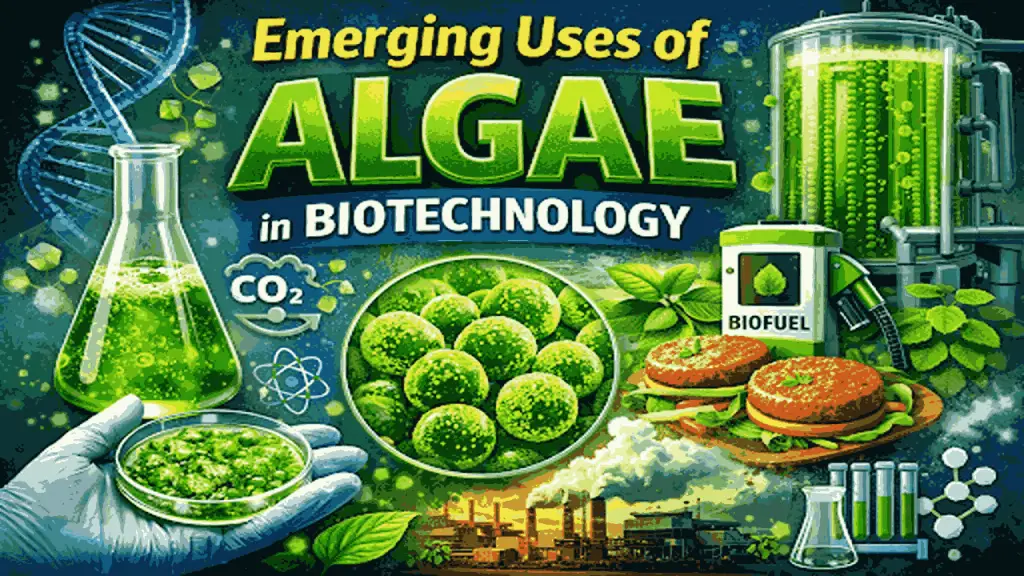
Emerging uses of algae in biotechnology are moving faster than most people realise.
Algae are among the most prolific aquatic organisms on the planet.
They produce oxygen, fix carbon, and synthesise compounds that pharmaceutical companies are only beginning to understand.
And now, with advances in genetic engineering and synthetic biology, what algae can do in a lab setting is expanding rapidly.
The scope is wider than most expect. Biofuels. Bioplastics. Drug delivery systems. Wastewater treatment. Carbon capture. Food ingredients.
These aren’t distant possibilities; active research programmes at institutions like Arizona State University and the Arizona Center for Algae Technology and Innovation are already pushing several of these applications toward commercial scale.
This blog breaks down where algal biotechnology currently stands, what the most promising applications actually are, and where the field is realistically heading.
1. Algal Biotechnology Overview
Algae have been here for 3.5 billion years. We’ve been taking them seriously for maybe 70 years.
1.1 Definition and Importance
Fast growth. No farmland. Produces lipids, proteins, pigments, and polysaccharides depending on the strain and conditions. Some species double their biomass within hours.
That’s the pitch. And it’s a reasonable one.
What makes algal biotechnology worth paying attention to now isn’t the biology; that part has been known for decades.
It’s that genetic tools have finally caught up to the potential. Microbial strains engineered to produce compounds that algae would never make naturally. That changes what’s actually on the table.
Renewable sources of fuel, food ingredients, and bio-based chemicals. Not hypothetical. Active research programmes are running right now.
1.2 Historical Development of Algal Biotechnology
The Aztecs harvested Spirulina from Lake Texcoco. Coastal communities across Asia used seaweed for food and medicine for centuries.
Controlled cultivation came mid-20th century. Chlorella and Spirulina first. Mostly Japan and Taiwan. grow it, harvest it, sell it. The science was observational at that point.
Genome sequencing broke that open.
Chlamydomonas reinhardtii was among the first algal genomes mapped. ‘
Which genes drive lipid accumulation and which ones respond to stress? How photosynthetic CO2 fixation is actually regulated.
Editing tools came next. Zinc-finger nucleases first. Then homologous recombination. Then transcription activator-like effector nucleases. Each one tighter than the last.
Biofuel research is where most of that programming effort landed first. And the results are harder to ignore than they used to be.
2. Microalgae in Biofuel Production
Algae make oil. That part isn’t new. What’s changed is how seriously the energy sector is taking it.
2.1 Advantages of Using Microalgae for Biofuel
Corn, soy, sugarcane, and every conventional biofuel crop need farmland. Good farmland. The kind that also grows food.
Microalgae sidestep that entirely. Saltwater, wastewater, rooftop tanks, coastal ponds. The growth medium doesn’t need to be arable. That alone separates algae from every other biofuel feedstock worth discussing.
Lipid content is the other thing. Under stress conditions, some strains push 60% of dry weight as extractable lipids.
Yield per acre runs roughly 10 to 20 times higher than soy or palm. Those aren’t projected figures; they come from controlled cultivation studies.
Haematococcus pluvialis, C. vulgaris, Chaetoceros muelleri. Each one studied extensively for lipid output. Each one responds differently to light shifts, temperature changes, and nutrient stress.
Biodiesel from microalgal lipids runs in existing diesel engines. No retrofitting. That compatibility is underrated when talking about adoption at scale.
2.2 Challenges in Scaling Biofuel Production
The biology is mostly solved. The economics aren’t.
Harvesting is where most projects stall. Individual algal cells are microscopic. Pulling them out of millions of litres of water without spending more energy than the fuel contains, that’s the problem nobody has cleanly cracked yet.
Centrifugation works in a lab. At industrial volumes, the cost kills the margin. Flocculation is cheaper, but the results are inconsistent batch to batch.
Photobioreactors control contamination, light distribution, and temperature well enough. Building and maintaining them at an industrial scale is a different conversation. Capital costs are high. Operational complexity goes up fast.
Current production costs still can’t touch petroleum. That’s the ceiling everything else bumps against.
2.3 Opportunities for Enhancing Energy Sustainability
Biorefinery models extract value from the whole biomass rather than just the lipids.
Proteins go into feed or food ingredients. Pigments get separated for pharmaceutical use.
Residual biomass feeds anaerobic digesters and produces biogas through fermentation. Suddenly, the biodiesel isn’t carrying the entire cost of production by itself.
Genetic engineering works the other side of the equation. Strains with higher lipid accumulation, faster doubling times, and better tolerance to cheap growth conditions.
Metabolic flux analysis identifies which internal pathways to amplify and which to cut. Each adjustment brings production costs down a fraction. Fractions add up.
Wastewater integration handles two problems at once. Municipal or agricultural wastewater provides nitrogen, phosphorus, and carbon for free.
Algae clean the water while accumulating biomass. Several bio-engineered wastewater treatment facilities are already running this at a pilot scale.
How much of this works depends heavily on how the algae are grown in the first place. Cultivation technique determines almost everything that comes after it.
3. Cultivation Techniques for Maximizing Productivity
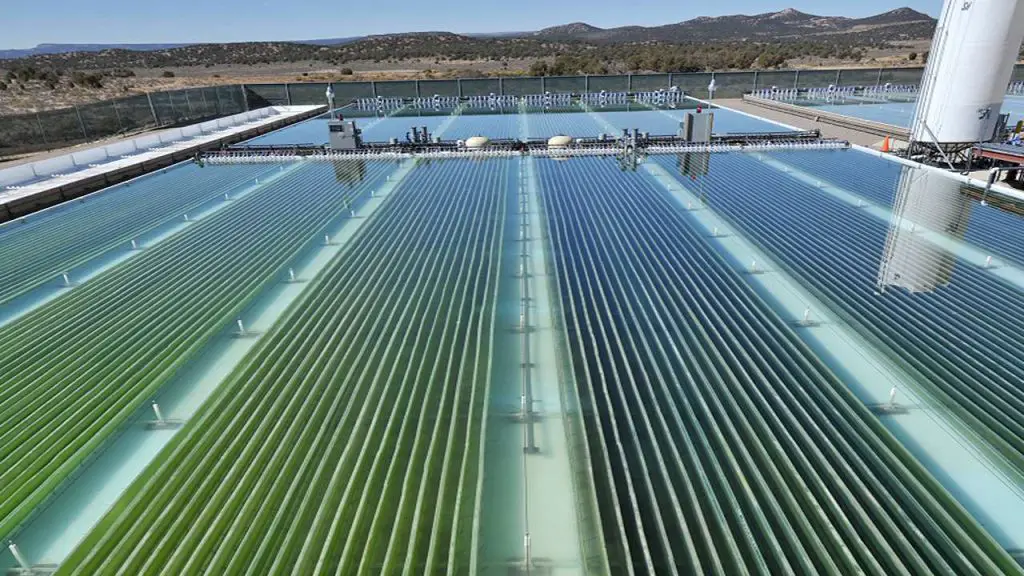
How you grow algae determines what you get out of it. Strain selection means nothing if cultivation conditions are wrong.
3.1 Mixotrophic Growth Methods
Most algae are grown either autotrophically (light and CO2 only) or heterotrophically (organic carbon, no light).
Mixotrophic growth uses both simultaneously.
The result is faster biomass accumulation and more stable yields. The algae aren’t dependent on a single energy source. When light drops, organic carbon compensates. Growth continues rather than stalling.
Not every strain supports mixotrophic conditions. Chlamydomonas reinhardtii and C. vulgaris are among the most studied for this. Both show significantly higher biomass output under mixotrophic conditions than under light alone.
3.2 Optimizing Conditions: Light, Temperature, Nutrients, and pH
Small shifts in any of these variables change the yield considerably.
| Parameter | Optimal Range | Effect of Imbalance |
| Light | Strain-dependent, avoid oversaturation | Photoinhibition above threshold |
| Temperature | 20 to 30°C for most strains | Growth slows sharply outside the range |
| Nitrogen | Moderate supply | Deficiency triggers lipid accumulation |
| Phosphate | Low to moderate | Excess drives protein over lipid |
| pH | 7 to 9 for most microalgae | Outside range disrupts the photosystem chlorophyll |
Nitrogen deficiency is worth noting specifically. Deliberately limiting nitrogen is one of the most reliable ways to push certain strains toward higher lipid content. It stresses the cells into storing energy rather than growing.
3.3 Genetic Modifications of Algal Strains
Wild strains have limits. Genetic engineering tools push past them.
Current approaches include:
- Genome editing via zinc-finger nucleases and transcription activator-like effector nucleases to knock out competing metabolic pathways
- Self-replicating episomes to introduce new genetic material without permanently altering the genome
- Homologous recombination for precise gene insertion at targeted locations
- Transcriptome analysis to identify which genes activate under stress and how to replicate that response artificially
Microfluidic systems are increasingly used in screening. Thousands of modified microbial strains tested simultaneously for growth rate, lipid content, and biochemical composition.
High-throughput phenomics cuts the time from genetic modification to usable data significantly.
The goal across all of it is the same. Strains that grow faster, produce more of what’s needed, and hold up in real cultivation conditions rather than just in a lab flask.
What algae produce internally is just as important as how much biomass they generate. The next section covers what’s inside that biomass and why it matters beyond fuel.
4. Dietary Contributions of Microalgae
Algae have been eaten for centuries. What’s changed is the understanding of exactly what’s in them and why it matters nutritionally.
4.1 Bioactive Compounds: Carotenoids, Sterols, and Fatty Acids
Microalgal biomass isn’t a single thing. Composition varies significantly by strain, growth conditions, and harvest timing.
The main bioactive groups:
- Carotenoids: Astaxanthin from Haematococcus pluvialis is the most commercially significant. Stronger antioxidant activity than vitamin C or E. Used in aquaculture feed, nutraceuticals, and cosmetics. Beta-carotene from Dunaliella salina follows closely
- Sterols: Algal sterols structurally resemble cholesterol but behave differently in the body. They compete with cholesterol absorption in the gut. Several marine microalgae produce sterols in quantities relevant to functional food development.
- Fatty acids: EPA and DHA are the ones worth paying attention to. Both are omega-3 long-chain fatty acids. Fish don’t produce them; fish eat algae that do. Marine microalgae are the source. Extracting them directly cuts the fish out of the supply chain entirely, which matters for both sustainability and purity.
4.2 Health Benefits and Global Nutritional Needs
Protein deficiency is a genuine global problem. Meat analogues and lupin protein get attention, but microalgae offer something most plant proteins don’t. A complete amino acid profile in an organism that grows in sunlight and CO2.
Spirulina runs 60 to 70% protein by dry weight. Chlorella is close behind. Both contain B vitamins, iron, and essential fatty acids in a single source.
The scalability argument is hard to ignore. Producing equivalent protein from algae requires a fraction of the land, water, and inputs that conventional livestock farming demands. No methane emissions and ammonia loss from manure. No soil organic carbon depletion.
Algae-based solutions are already appearing in functional foods, protein powders, and infant formula research. The regulatory path in most markets is clearer than it was five years ago.
The nutritional case is solid. Scaling production to be cost-competitive with conventional protein is still a work in progress.
Beyond food, microalgae are showing up in places most people wouldn’t expect. Drug delivery systems are one of them.
5. Pharmaceutical Applications of Microalgae
Food and fuel get most of the attention. Drug delivery is where algae research gets genuinely surprising.
5.1 Microalgae in Drug Delivery Systems
Diatom silica shells are porous, chemically stable, and biocompatible. That combination makes them useful as drug carriers in ways synthetic polymers struggle to match. Load them with a compound, and the shell structure controls the release rate without additional engineering.
Labdane-type diterpenes from certain algal strains have shown antimicrobial and anti-inflammatory activity in early research. Not clinical yet. But pharmaceutical developers are paying attention.
5.2 Innovations in Targeted and Oral Delivery
Two problems dominate drug delivery research. Getting compounds to the right location. Getting them there orally without degrading first.
Chlamydomonas reinhardtii has been used to express therapeutic proteins directly on the cell surface, engineered for receptor-specific binding. The genetic tools came from biofuel research. Pharmaceutical applications borrowed them.
Oral delivery is harder. Most biologics don’t survive stomach acid. Algal cell walls offer natural protection in some configurations. Encapsulating therapeutic compounds inside processed algal cells is an active area, particularly for insulin and oral vaccine research.
Still early. But the same structural properties that make diatoms useful in water filtration turn out to matter in the bloodstream too.
The genetic tools used in drug delivery research are part of a much broader synthetic biology picture. That’s where things get ambitious.
6. Synthetic Biology and Genetic Engineering
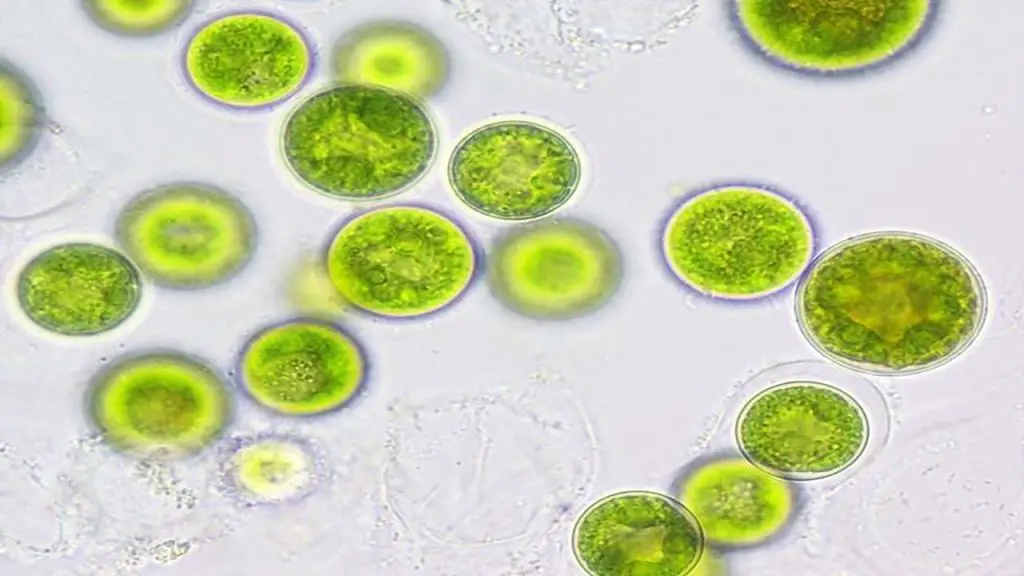
Genetic tools have turned algae from a natural resource into something closer to a programmable platform. Here’s what that looks like in practice.
6.1 Production of Antimicrobial Peptides
Antibiotic resistance is a growing problem. Algae are an unexpected part of the conversation.
Several microalgal strains produce antimicrobial peptides naturally. Synthetic biology takes that further, engineering strains to produce specific peptides at commercially relevant yields.
Chlamydomonas reinhardtii has proven particularly useful here. Its genetic tools are well established, transformation is relatively straightforward, and it grows fast.
The appeal isn’t just novelty. Algae-derived antimicrobial compounds come from renewable sources, require no petrochemical inputs, and can be produced in photobioreactors rather than chemical synthesis facilities.
6.2 Enhancing Photosynthetic Efficiency
Photosynthesis in wild algae is inefficient by design. Most strains absorb more light than they can actually use, dissipating the excess as heat.
Researchers are targeting photosystem chlorophyll directly. Truncating antenna size reduces that wasteful dissipation and allows more light to penetrate deeper into dense cultures. The result is higher biomass productivity per unit of light input across the whole cultivation system, not just at the surface.
Metabolic flux analysis identifies bottlenecks in the carbon fixation pathway. Transcriptome data show which genes activate under high light and which suppress growth. Edit the right sequences and photosynthetic CO2 fixation improves measurably.
6.3 Applications as Genetic Engineering Platforms
Algae aren’t just targets for genetic engineering. They’re becoming platforms for it.
Chlamydomonas reinhardtii is the most developed model organism in algal research. Self-replicating episomes allow stable gene expression without permanent genome integration. Homologous recombination enables precise edits. The full genetic toolkit that took decades to develop in bacterial systems is now largely available for microalgae.
What that enables practically:
| Application | Tool Used |
| Lipid overproduction | Genome editing, metabolic flux redirection |
| Therapeutic protein expression | Self-replicating episomes |
| Antimicrobial peptide synthesis | Transcription activator-like effector nucleases |
| Pigment enhancement | Transcriptome-guided gene editing |
| Stress tolerance engineering | Zinc-finger nucleases, homologous recombination |
Microbial diversity across algal species means no single strain dominates every application. Marine microalgae handle saltwater conditions better.
Freshwater strains are easier to cultivate at scale. Genetic tools are now developed enough that researchers pick the strain that fits the application rather than forcing the application to fit the strain.
The scope of what’s possible with these tools extends well beyond the lab. The broader impact on global challenges is where the real stakes become clear.
7. Algal Biotechnology’s Transformative Impact
The science is interesting. What it could actually solve is more interesting.
7.1 Addressing Global Challenges
Three problems dominate sustainability conversations. Food security. Energy transition. Climate change. Algal biotechnology touches all three.
Microalgal protein requires a fraction of the land and water that livestock farming needs. No methane emissions, no ammonia loss, no soil organic carbon depletion.
Microalgae-based carbon capture pulls CO2 directly from industrial emissions and fixes it into biomass. Biodiesel from algal lipids isn’t cost-competitive yet, but biorefinery models that extract value from the whole biomass are changing that calculation gradually.
None of these are solved. All of them are further along than ten years ago.
7.2 Promoting Sustainability through Innovative Solutions
The most useful algae applications solve more than one problem simultaneously.
Wastewater treatment using algae cleans effluent while producing biomass for feed or fuel.
Cyanobacteria-based ammonia assimilation reduces agricultural runoff. Bioremediation strains absorb heavy metals from contaminated water without chemical treatment.
Algae-derived humic acid improves soil structure and microbial diversity, reducing synthetic fertilizer dependency.
Algae work within natural cycles. That’s the consistent thread across every application.
8. Future Prospects in Algal Biotechnology

The foundational work is largely done. What’s coming next is scale.
8.1 Emerging Trends and Research Directions
A few areas are pulling serious research attention right now.
Automated photobioreactors, AI-driven cultivation monitoring, and high-throughput phenomics are moving algae production toward fully data-driven systems. Arizona State University’s Arizona Center for Algae Technology and Innovation and Lightworks are among the institutions leading the push.
PHAs and polylactic acid from microalgal biomass are gaining ground as genuine alternatives to polyethylene, polypropylene, and polyvinyl chloride. They decompose. Petrochemical thermoplastics don’t.
The Sustainable Algae Biofuels Consortium ATP3 is focused specifically on closing the gap between lab-scale performance and commercial reality. The Algae Biomass Summit tracks progress across all of these fronts annually.
8.2 Challenges and Future Opportunities
Production costs are still the ceiling. Harvesting hasn’t scaled cheaply enough. Regulatory pathways vary too much across markets.
The clearest opportunities are where algae solve multiple problems at once. Biorefinery models extracting value from lipids, proteins, and pigments simultaneously.
Wastewater treatment that produces usable biomass as a byproduct. Bioremediation without chemical inputs.
Microalgal biotechnology isn’t one industry. It’s infrastructure for several that haven’t fully formed yet.
One thing is clear, though. The applications are arriving faster than most expected.
Conclusion
Algae aren’t a niche research topic anymore. Biofuels, bioplastics, pharmaceuticals, carbon capture, wastewater treatment, and active programmes are running across all of them right now.
The biology is largely understood. Genetic engineering tools like genome editing, self-replicating episomes, and transcription activator-like effector nucleases have made microalgae genuinely programmable.
What’s left is closing the gap between lab performance and commercial scale consistently enough to compete with established industries.
That gap is narrowing. Not dramatically. But steadily.
People Also Ask:
Algae are used across biofuel production, bioplastics, pharmaceutical drug delivery, wastewater treatment, carbon capture, and food ingredients. Genetic engineering has expanded that range significantly, allowing engineered strains to produce compounds algae wouldn’t naturally synthesise.
Synthetic biology, high-throughput phenomics, AI-driven cultivation monitoring, and Industry 4.0 integration are the most active trends. In algal biotechnology specifically, biorefinery models and microalgae-based carbon capture are drawing the most commercial investment.
Synthetic biology, genome editing, microfluidic screening, and metabolic engineering are the most active. Algal biotechnology sits at the intersection of several of these, making it one of the more dynamic areas in applied biological research right now.
4. What are the 10 uses of algae?
- Biofuels
- Bioplastics
- Animal feed
- Human nutrition and protein supplements
- Pharmaceutical drug delivery
- Wastewater treatment
- Bioremediation of contaminated water
- Carbon capture from industrial emissions
- Cosmetics and skincare ingredients
- Soil improvement and fertilizer resource
Most of these are already operational at some scale. Several are moving toward commercial viability.
Amazon and the Amazon logo are trademarks of Amazon.com, Inc, or its affiliates