
As an Amazon Associate I earn from qualifying purchases.
Fibroids affect up to 70% of women by age 50 and often show up with frustrating symptoms like heavy menstrual bleeding, pelvic pain, and changes in menstrual cycles.
While treatments range from hormonal meds to surgery, many women are looking for gentler, more natural ways to manage fibroid growth.
That’s where sea moss comes in.
Known for its rich nutrient profile, Chondrus crispus (Irish sea moss) has been used for centuries in traditional medicine.
But does it actually help with fibroids, or is it just hype? Let’s find out!
Understanding Fibroids
Before exploring how sea moss may help, it’s important to understand what fibroids are and how they affect the body.
A. Definition and Types
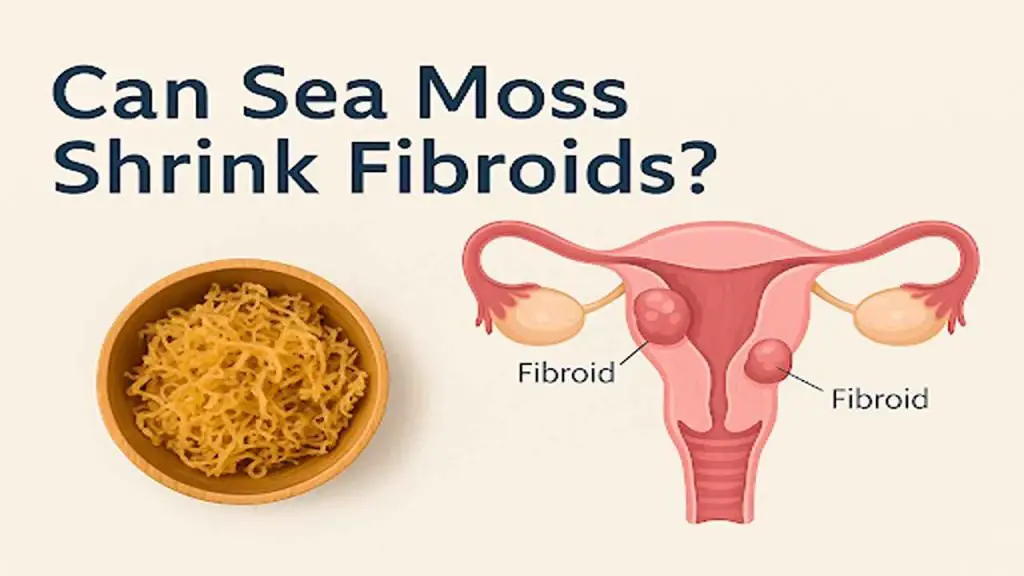
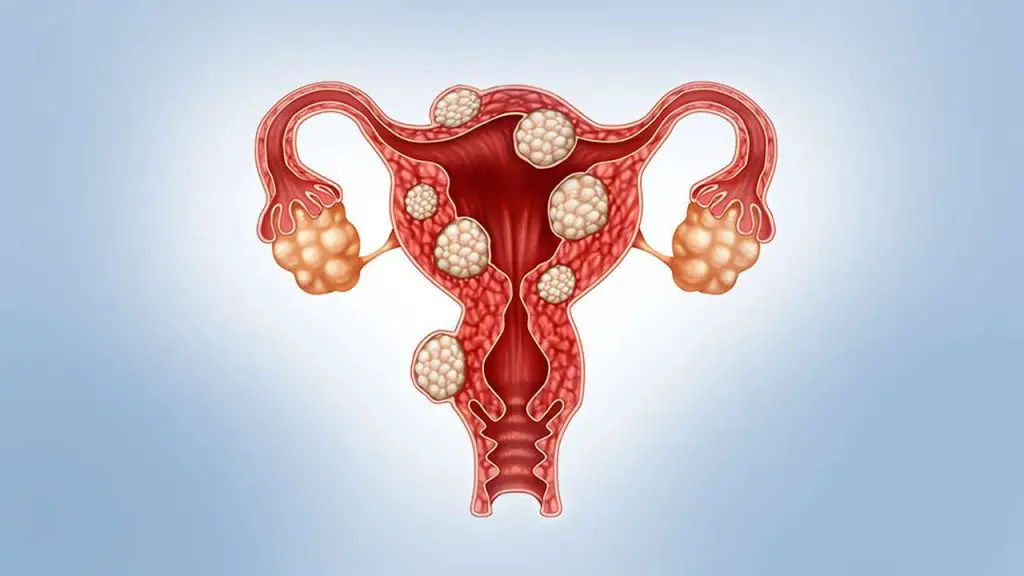
Uterine fibroids, also called leiomyomas, are non-cancerous fibroid tumors that grow in or around the uterus.
They’re grouped based on where they develop, and each type can cause different symptoms.
| Type of Fibroid | Location | Potential Impact |
| Intramural | Within the muscular wall of the uterus | Can enlarge the uterus and cause pressure or pain |
| Subserosal | On the outer surface of the uterus | May press on nearby organs, leading to bladder issues |
| Submucosal | Just beneath the uterine lining | Often linked to heavy menstrual bleeding and cramping |
Fibroids can range in size, some as small as a seed, others large enough to affect the shape of the uterus or nearby organs.
B. What Do Fibroids Feel Like?
Not everyone gets symptoms, but when they show up, fibroids can make everyday life harder.
Here are a few common ones:
- Heavy or prolonged menstrual bleeding
- Pelvic pressure or cramping
- Pain during periods
- Frequent trips to the bathroom
- Lower back or leg pain
- Fatigue, especially if you’re losing iron through heavy bleeding
In some cases, fibroids may also make it harder to get pregnant or increase postpartum bleeding.
C. What Are the Treatment Options?
Treatment isn’t one-size-fits-all. It depends on things like the size of the fibroids, your symptoms, and whether you’re planning to have children.
Here’s what doctors might recommend:
- Hormone-based treatments, like GnRH agonists, can temporarily shrink fibroids
- A progestin-releasing IUD to help control bleeding
- Uterine artery embolization, a less invasive way to cut off the blood supply to fibroids
- Endometrial ablation to reduce the uterine lining (for bleeding)
- And in some cases, fibroid surgery, from fibroid removal to a full hysterectomy
Some people also explore fibroid diet changes, herbal approaches, or supplements to manage symptoms naturally.
Now that we’ve covered the basics, let’s take a look at sea moss and why so many people are turning to it as part of a natural fibroid support plan.
What is Sea Moss?
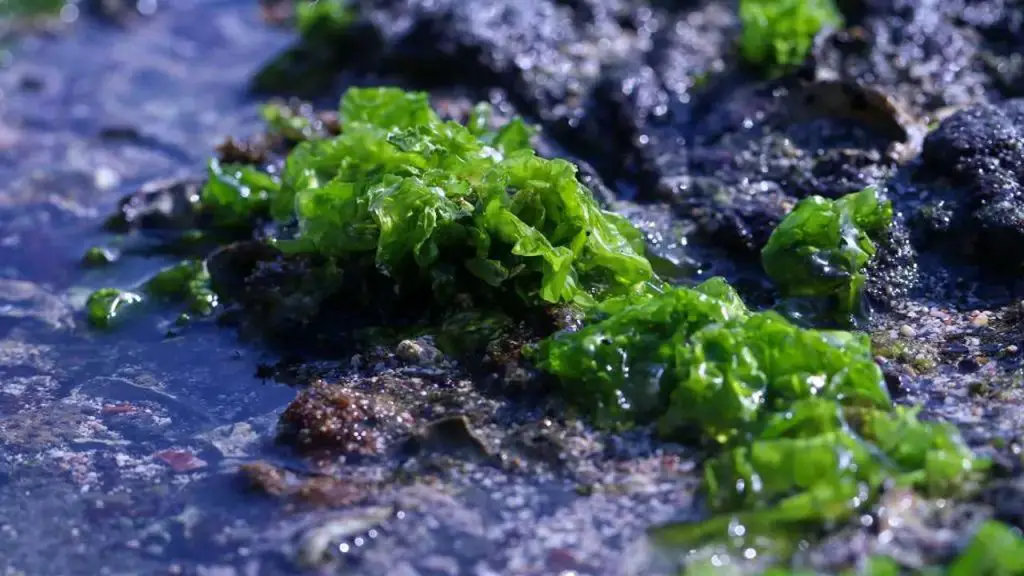
You’ve probably seen sea moss trending lately, in smoothies, capsules, or even skincare. But this so-called “ocean superfood” has been around for centuries.
A. Nutritional Composition
Sea moss, especially Chondrus crispus (also called Irish moss), is a type of red algae that grows along rocky Atlantic coastlines.
Sea moss contains:
- Iodine, important for thyroid function
- Iron, which helps fight fatigue and iron deficiency
- Magnesium, calcium, zinc, and potassium
- Small amounts of omega-3 fatty acids
- Soluble fiber, which acts as a prebiotic in the gut
It’s low in calories but packed with trace minerals, making it a simple way to support overall health through diet.
B. Traditional Uses and Benefits
Long before it hit Instagram, sea moss was used in Caribbean and Irish folk medicine for things like:
- Supporting digestion
- Easing mucus buildup during colds
- Boosting energy during recovery
- Soothing the digestive tract due to its gel-like texture
People often turned to it as a natural remedy for respiratory issues, low energy, and to support reproductive health in women.
Now that we know what sea moss brings to the table, let’s look at how it might connect to fibroid management and why diet plays such a big role.
Exploring the Connection Between Sea Moss and Fibroids
While the science is still catching up, here’s what we know so far.
A. The Role of Diet in Fibroid Management
Fibroids are hormone-sensitive tumors, meaning that estrogen and progesterone can influence their growth. That’s why diet matters.
What helps:
- A low-inflammatory diet with fewer processed foods
- Cruciferous vegetables, which help metabolize estrogen
- Limiting alcohol and red meat
- Increasing foods rich in fiber and plant-based nutrients
Lifestyle shifts, including balanced meals, hydration, and stress reduction, also play a key role in managing menstrual cycles, pelvic pain, and related symptoms.
B. Nutrients in Sea Moss Relevant to Fibroid Health
What makes sea moss especially interesting in the context of fibroids is how it complements a fibroid-friendly diet.
How sea moss fits into common deficiencies and imbalances found in women with fibroids:
| Common Fibroid-Related Concerns | How Sea Moss May Help |
| Low iron from heavy periods | Can support iron intake when combined with iron-rich foods |
| Estrogen dominance | High fiber content may assist with estrogen metabolism through gut support |
| Inflammation | Contains sulfur compounds and natural polysaccharides that may reduce inflammation markers |
| Vitamin D deficiency | While not a major source, sea moss may complement a vitamin D–rich diet for those with low levels |
Sea moss acts as a complementary food, not a treatment, but the targeted support it provides can help fill important nutritional gaps.
C. Potential Hormonal Balance Effects
Many people ask whether sea moss can “balance hormones.” While that’s a broad term, here’s what’s worth noting:
- Sea moss contains soluble fiber and prebiotic compounds that feed beneficial gut bacteria. Since estrogen is partly regulated through the gut-liver axis, improving digestion may help the body manage excess estrogen, a factor in some fibroid growth cases.
- Sea moss may indirectly support hormonal rhythm by reducing inflammation, improving thyroid performance (via iodine), and supporting mineral intake (like magnesium and zinc), both of which play roles in menstrual health.
- There’s also growing interest in sea moss’s ability to influence prostaglandin regulation, the compounds involved in period cramps and uterine muscle contractions, though this area still needs more research.
Up next, we’ll take a look at the actual science: what current studies say, what’s still missing, and how experts are viewing the sea moss–fibroid connection.
Scientific Research and Evidence
There’s plenty of interest around sea moss and its health benefits, but when it comes to fibroids, the hard science is still in early stages.
A. Current Studies on Sea Moss and Fibroids
At the moment, there are no large-scale randomized clinical trials directly testing sea moss (like Chondrus crispus) as a treatment for uterine fibroids.
Some related research worth noting:
- A 2011 study in the Journal of Nutrition found that seaweed extracts may influence estrogen metabolism, which could be relevant for hormone-sensitive conditions like fibroids.
- A 2023 study from Johns Hopkins explored green tea extract as a fibroid therapy, showing it may shrink fibroid size and ease pelvic pain. While not about sea moss specifically, it suggests plant-based compounds can influence fibroid outcomes.
- Sea moss is often used in herbal preparations that support menstrual and reproductive health, especially in traditional Chinese medicine. Some blends, like Guizhi Fuling, have been shown in controlled clinical trials to reduce fibroid symptoms.
B. Limitations of Existing Research
There are a few important caveats here:
- Most existing studies involve animal models, cell cultures, or indirect comparisons
- Many herbal studies suffer from small sample sizes, lack of double blinding, or unclear chemical standardisation
- Sea moss is often bundled with other herbs, making it hard to isolate its exact effects
As a result, there’s no scientific evidence confirming that sea moss alone can shrink fibroids, but early signs suggest it may support the body in helpful ways.
C. Expert Opinions and Hypotheses
Most integrative health practitioners see sea moss as a supportive supplement, not a stand-alone fibroid treatment.
Experts often recommend it alongside:
- Hormone-balancing meals
- Nutrient-dense diets
- And safer herbal supplements backed by more structured studies
For now, the research on sea moss and fibroids is promising, but it’s still evolving.
Next up, we’ll look at the broader picture: How sea moss may support reproductive health, beyond just fibroids.
Benefits of Sea Moss for General Reproductive Health
Even if the science on sea moss and fibroids is still catching up, many people turn to it for broader reproductive health support.
A. Impact on Menstruation
One of the most common reasons people try Irish moss is to support smoother, more balanced menstrual cycles.
Sea moss may help in a few ways:
- Its iodine content can support thyroid hormones, which influence your monthly rhythm
- Iron and magnesium may reduce period cramps and support energy, especially for those with heavy menstrual bleeding
- The natural gel texture soothes the digestive tract, which is often linked to hormonal swings and bloating during PMS
While not a replacement for targeted treatments, it can be a gentle support for those looking to manage symptoms naturally.
B. Sea Moss and PCOS
Though not a cure, sea moss is also getting attention for how it may benefit those dealing with polycystic ovarian syndrome (PCOS), another hormone-related condition.
Why? Because:
- It’s low in calories but nutrient-dense, making it helpful for those managing weight, a key factor in PCOS
- The fiber supports gut and insulin health, which are often affected by the condition
- Sea moss contains zinc, B vitamins, and antioxidants, which support metabolic balance
Some users report fewer hormonal fluctuations and more consistent cycles when sea moss is included in a broader PCOS-friendly lifestyle.
C. Overall Reproductive Health Benefits
Sea moss is often described as a fertility booster, though this claim should be taken with care. Still, its nutrient profile makes it a solid supportive food for those trying to conceive or maintain reproductive balance.
- It offers key minerals like selenium, zinc, and iodine, which all support egg health and hormone production
- The anti-inflammatory and gut-friendly effects may ease certain discomforts or imbalances
- It’s considered a natural remedy in many cultures for improving energy, libido, and overall vitality
Again, sea moss isn’t a magic fix. But when combined with whole foods, stress management, and healthy habits, it may help the body function more smoothly, especially during hormonal shifts.
Now that we’ve covered the benefits, let’s learn how to use it safely and effectively, and what to look out for before making it a daily habit.
How to Incorporate Sea Moss into Your Diet
If you’re interested in trying sea moss, the good news is it’s easy to work into your daily routine, as long as you’re mindful about dosage and quality.
A. Forms of Sea Moss Supplements
| Form | Description | Best For |
| Raw (dried) | Soaked and blended into gel form | DIY users who want full control |
| Gel | Pre-prepared, often refrigerated | Smoothies, teas, or spoonfuls daily |
| Capsules | Convenient, pre-measured dosage | Those who dislike the taste or texture |
| Powder | Freeze-dried and ground for easy mixing | Adding to oatmeal or protein shakes |
B. Recipes and Daily Usage Suggestions
There’s more than one way of incorporating sea moss in your daily diet. Here are some easy recipes:
| Use | How Much to Take | Tips |
| Smoothies | 1–2 tablespoons (gel) | Blend with fruit, greens, and plant milk |
| Capsules | Follow label directions | Usually 500–1000 mg daily |
| Tea or hot drinks | 1 tsp powder or 1 tbsp gel | Mix with ginger or lemon for added benefits |
| Soups or stews | 1–2 tablespoons | Add at the end of cooking to preserve nutrients |
C. Safety Considerations and Precautions
- Start small to test tolerance
- Avoid overconsumption (too much iodine may affect thyroid function)
- Store gel in the fridge and use within 2–3 weeks
- Talk to a doctor if you’re on thyroid meds or hormone-modifying medications
Coming up next: we’ll look at other natural approaches for fibroid management, from diet tweaks to time-tested herbal remedies.
Other Natural Approaches for Fibroid Management
Sea moss might be one piece of the puzzle, but it’s not the only natural option available. Other small changes can help ease fibroid-related symptoms and support your body’s overall balance.
A. Dietary Modifications
The connection between food and fibroids isn’t just hype; more and more studies are showing that what’s on your plate can influence fibroid growth and hormone levels.
Here’s what a fibroid-friendly diet usually looks like:
- More leafy greens, berries, and high-fiber veggies
- Swapping white carbs for whole grains
- Cutting back on sugar, alcohol, and heavily processed foods
- Including iron-rich foods to help with heavy menstrual bleeding
- Making sure you get enough Vitamin D, especially if you’re deficient
Simple? Yes. Easy every day? Not always, but even small shifts can help your body feel more supported over time.
B. Herbal Remedies
Many people turn to herbal supplements when looking for gentler ways to manage fibroid symptoms, especially when trying to avoid or delay invasive surgery.
Some herbs that have shown promise:
- Vitex (Monk’s Pepper) – often used to support hormonal balance and improve menstrual regularity
- Green tea extract (EGCG) – backed by some research for reducing fibroid size and easing pelvic discomfort
- Guizhi Fuling – a traditional Chinese blend used to support blood circulation and reduce cramping
That said, herbs aren’t one-size-fits-all. Always double-check for interactions, especially if you’re on hormone therapies or prescription meds.
C. Lifestyle Changes
Beyond diet and supplements, certain lifestyle habits may ease symptoms and help create a more stable environment for your body.
Consider:
- Gentle movement, like walking or stretching, to reduce inflammation and boost circulation
- Stress reduction, since high cortisol can throw off other hormones
- Staying hydrated, especially during your cycle
- Avoiding plastics and personal care products that contain hormone-disrupting chemicals
You don’t need to change everything at once. But even small shifts can help you feel more in control, and may lead to better outcomes over time.
Conclusion
Sea moss won’t magically shrink fibroids, but it might support your body in meaningful ways, especially when paired with a thoughtful diet and healthy lifestyle.
With its dense mineral content and hormone-friendly nutrients, it can be a valuable part of a broader fibroid care routine.
As always, talk to your healthcare provider before adding any new supplement, especially if you’re already on medication or managing other conditions.
A well-informed, holistic approach often brings the best long-term relief.
FAQ’s:
There’s no scientific proof that sea moss shrinks fibroids, but it may help ease symptoms by supporting hormone balance and reducing inflammation when paired with a healthy diet.
Most people start with 1–2 tablespoons of sea moss gel daily or one 500–1000mg capsule. Always start small and check with your doctor if you’re taking medications.
Yes, but be cautious. Combining herbal remedies like sea moss, green tea extract, or Vitex should be done under medical guidance to avoid potential interactions.
If it helps, most people report subtle changes in energy, bloating, or menstrual flow after a few weeks. But remember, it’s a slow, supportive process — not a quick fix.
Sea moss contains iodine, which affects thyroid function. If you have thyroid disease or take thyroid medication, speak with your doctor before using it regularly.
Amazon and the Amazon logo are trademarks of Amazon.com, Inc, or its affiliates