
As an Amazon Associate I earn from qualifying purchases.
If you deal with acid reflux, you know how uncomfortable it can be; that burning sensation in your chest, the odd taste in your mouth, or the way it disrupts your whole day.
Some people take meds. Others try changing how and what they eat. Lately, however, people are taking sea moss, especially in gel form, as a potential aid.
Sea moss isn’t new. It’s been used for years in herbal circles and is often praised for its fiber content and its ability to coat the digestive tract.
That’s part of why it’s showing up in conversations about natural remedies for acid reflux symptoms.
In this post, we’ll break down what sea moss is, how it might help with reflux, and what to watch for if you’re thinking about adding it to your routine.
Understanding Acid Reflux
To understand how something like sea moss might help, it’s good to know what’s happening during acid reflux.
A. What is Acid Reflux?
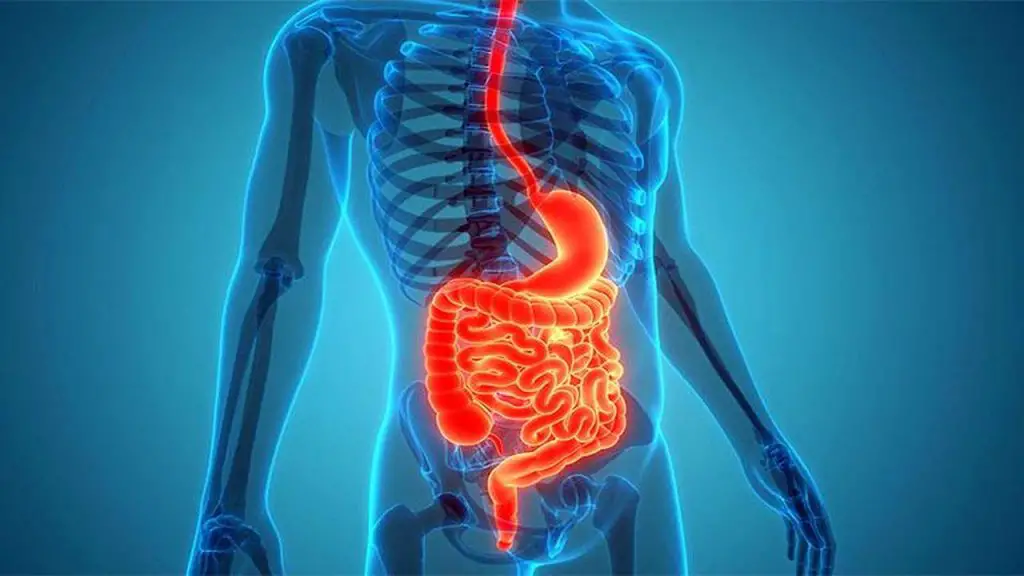
Acid reflux happens when stomach acid moves upward into the esophagus, the tube that connects your mouth to your stomach.
This usually occurs when the lower esophageal sphincter (a ring of muscle that acts like a lid) doesn’t close all the way.
When acid gets into the wrong place, it can irritate the lining of the esophagus and cause a burning feeling, known as heartburn.
If this happens often, it may be diagnosed as gastroesophageal reflux disease (GERD).
B. Common Causes of Acid Reflux
Several things can trigger acid reflux, and often it’s a mix of lifestyle, food, and how your body reacts.
Some common causes include:
- Eating large meals or lying down right after eating
- High-acid or spicy foods
- Drinking too much caffeine, soda, or alcohol
- Obesity or extra pressure on the abdomen
- Smoking
- Certain medications
- Weak muscle tone in the esophageal sphincter
Not everyone’s trigger is the same, which is why a tailored approach often works better than a one-size-fits-all fix.
C. Symptoms and Complications
The most obvious sign is heartburn, but acid reflux shows up in other ways, too:
- Burning sensation in the chest or throat
- Sour or bitter taste in the mouth
- Trouble swallowing
- Coughing, especially at night
- Feeling like food is stuck
- Chest discomfort after meals
If reflux goes untreated, it can lead to bigger issues over time, like inflammation, damage to the mucous membranes, or conditions such as Barrett’s esophagus.
Now we know what we’re dealing with, let’s see how sea moss can help in the next section.
Sea Moss and Digestive Health
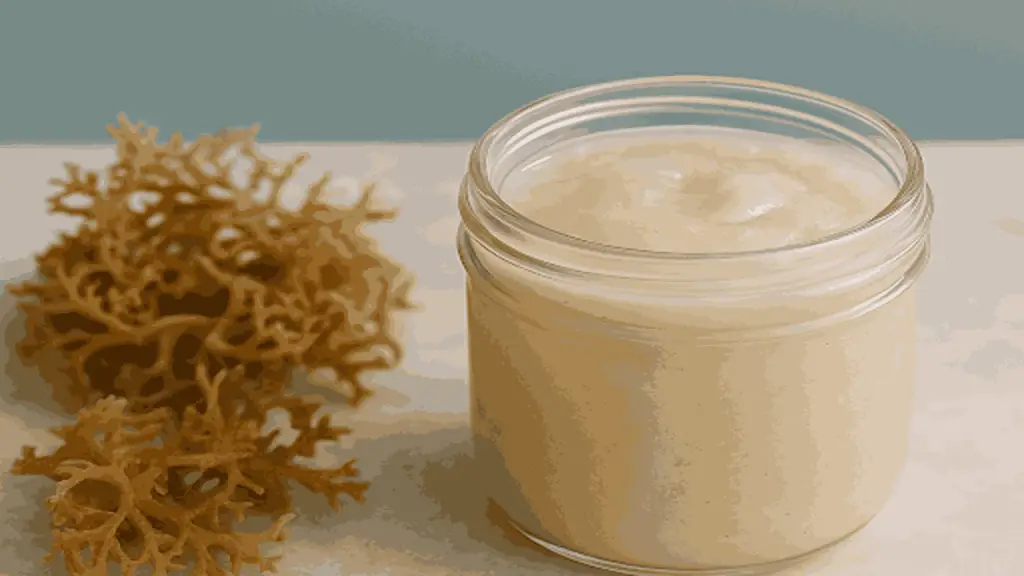
Sea moss isn’t just trendy; there’s real interest around how it might support digestion.
A. Mucilage Properties
One of the things that makes moss gel different is its naturally slippery texture. That texture comes from something called mucilage, a gel-like substance found in some plants and seaweeds.
When eaten, mucilage can coat the digestive tract, which may help:
- Soothe irritation in the esophagus
- Form a protective barrier against stomach acid
- Make it easier to pass food through the system
This is part of why some people use sea moss for occasional acid reflux relief, especially when their reflux is triggered by irritation or inflammation.
B. Balancing Stomach Acidity
Sea moss is also rich in minerals like magnesium and calcium, which are known to support pH balance in the body.
While it doesn’t “neutralize acid” like antacids, it may help create a more stable environment in the stomach over time.
Regular use might make meals easier to digest and reduce the chances of reflux flare-ups, especially when paired with other lifestyle changes.
C. Anti-Inflammatory Effects
Chronic reflux often leads to inflammation, especially when acid repeatedly hits the mucous membranes of the throat and esophagus.
Sea moss contains natural compounds that may have anti-inflammatory effects, such as:
- Omega-3s and certain amino acids
- Antioxidants that support immune health
- Trace minerals that aid tissue repair
While more research is needed, these properties may support overall gastrointestinal health, especially for those using a holistic approach to reflux.
Next, we’ll look at how to use sea moss in your routine, from how much to take to how to add it into meals without losing its benefits.
Incorporating Sea Moss into Your Diet
Sea moss can be added to your day in more ways than one. It really depends on what recipe feels easy and doable for you.
A. Recommended Forms and Dosages
| Form | Typical Dosage | How to Use It | Best For |
| Sea Moss Gel | 1–2 tablespoons daily | Mix into smoothies, tea, soups, or eat plain with water | Easy daily use, home-prep fans |
| Sea Moss Powder | ½–1 teaspoon daily | Add to shakes, yogurt, or warm drinks | Travel-friendly, quick prep |
| Capsules/Tablets | 500–1000 mg daily | Take with water, typically once or twice per day | People who prefer no taste or texture |
| Dried Sea Moss | Varies — rehydration required | Soak, blend, or boil to create gel or add to food | DIY enthusiasts who want full control |
| Sea Moss Gummies | 1–2 gummies per day (check label) | Chew like a supplement, often flavored | Kids or adults who prefer chewables |
B. Culinary Uses of Sea Moss
Sea moss doesn’t have much flavor, which makes it pretty easy to work into meals.
Here are some simple ways to use it:
- Blend it into smoothies — It adds thickness and a nutritional boost.
- Stir into warm tea — Just avoid boiling it again.
- Add to soup or stews — Works well as a natural thickener.
- Mix into chia pudding or overnight oats — Gives it a creamy texture.
- Try it in homemade sauces or jam — You’d barely notice it’s there.
One tip: Store your moss gel in the fridge or freeze it in an ice-cube tray for quick use.
C. Gradual Introduction and Tolerance
Sea moss is rich in fiber, which is great for digestion, but it can catch your stomach off guard if you add too much too fast.
Here’s how to ease into it:
- Begin with just half a tablespoon of gel
- Drink enough water throughout the day
- Avoid mixing it with big or spicy meals at first
- Keep track of how your body reacts
Some people feel lighter or less bloated within a few days. For others, it takes a little longer. Just listen to your body and adjust as needed.
Coming up next: some safety notes, including possible side effects, why sourcing matters, and when it’s a good idea to speak with a healthcare provider.
Safety and Considerations

Like any supplement, it’s smart to know what to watch for and how to use it safely.
A. Potential Side Effects
For most people, sea moss is well-tolerated. But that doesn’t mean it works the same for everyone.
A few things to be aware of:
- Too much fiber at once can cause bloating or gas
- In rare cases, people report nausea or an upset stomach when they first start using it
- Overconsumption of iodine (especially from raw or untested sources) could affect thyroid function
Stick to a moderate amount, usually no more than 1–2 tablespoons of gel per day, and avoid doubling up on sea moss if you’re already taking iodine supplements or thyroid medication.
B. Importance of Quality Sourcing
Not all sea moss is created equal. Where and how it’s harvested make a difference.
Look for:
- Sea moss that’s wild-harvested or farmed in clean waters
- Products that are third-party tested for heavy metals and contaminants
- Brands that are open about where their moss comes from and how it’s processed
Avoid overly salty moss, which has a strong fishy smell or seems artificially colored. If you’re buying moss supplements, check the ingredient list; some include unnecessary fillers.
C. Professional Consultation for Underlying Health Conditions
If you’re managing a chronic condition, especially anything involving your digestive tract, thyroid, or prescription medications, it’s a good idea to speak with your doctor before adding sea moss.
You’ll especially want to check in if:
- You have hyperthyroidism or are already on thyroid support meds
- You’re pregnant, breastfeeding, or taking blood thinners
- You have a history of gut disorders, including IBS or chronic reflux
- You’re already using other natural remedies or dietary supplements
A quick conversation with your healthcare provider can help you use sea moss safely, as part of a broader, balanced plan.
Next, we’ll take a look at personal stories and real-life experiences, what people are saying about sea moss, and how it fits into their routine.
Personal Experiences and Testimonials
While scientific research on sea moss and acid reflux is still catching up, many people have shared their own stories, both online and off, about how it’s helped with digestion or flare-ups.
A. Anecdotal Evidence
Here’s what some users have said about their experience with moss gel:
“I started using a tablespoon of sea moss gel every morning in my smoothie. I noticed my acid reflux wasn’t as intense after big meals. It’s not a miracle fix, but it’s made a difference for me.”
— Shanice, 34
“I was skeptical, but I figured I’d try something natural before going back on medication. The gel has a weird texture at first, but after a week or so, my nighttime reflux got better.”
— David, Reddit thread on r/acidreflux
“I deal with reflux mostly when I eat out or get stressed. I started using sea moss a few months ago. It’s not perfect, but I feel like it helps my stomach settle faster.”
— Maria, wellness blog comment
Most of these stories come from people using 1–2 tablespoons daily, often in smoothies, tea, or warm water.
B. User Experiences with Sea Moss
Common themes from users who’ve seen a benefit include:
- Less frequent acid reflux symptoms after meals
- Improved digestion, especially when combined with other changes (like cutting back on coffee or greasy foods)
- Better gut comfort and less bloating overall
- A preference for gel form over capsules, especially for smoother digestion
Some people don’t feel much difference, others say it took a couple of weeks to notice any change.
Like most natural remedies, the results vary depending on the person, their diet, and other health factors.
Up next: we’ll take a quick look at the science behind sea moss, what studies currently say, and what we still need to learn.
Scientific Perspectives and Research

Sea moss has been used in traditional remedies for centuries, but when it comes to modern research, especially its link to acid reflux, the science is still catching up.
A. Current Studies on Sea Moss and Acid Reflux
At the moment, there aren’t many direct clinical studies specifically linking sea moss to acid reflux relief.
However, researchers have studied the effects of related seaweeds, including Chondrus crispus and Eucheuma cottonii, and their role in digestive support.
Here’s what the science currently tells us:
- Mucilage-rich seaweeds (like sea moss) may help form a soothing barrier in the digestive tract. This is similar to how alginate-based antacids like Gaviscon work by forming a physical barrier to block acid from rising into the esophagus. A meta-analysis published in BMC Gastroenterology found that alginate products significantly reduced symptoms of gastroesophageal reflux disease (GERD).
- Sea moss contains natural antioxidants and anti-inflammatory compounds, which may contribute to digestive comfort. According to WebMD’s breakdown on sea moss benefits, these properties may support general gut health, although more research is needed for reflux specifically.
- The high fiber content in sea moss can help improve digestion and reduce constipation, which indirectly supports better stomach emptying and reduces pressure, a known trigger for reflux. This aligns with broader findings in NIH’s research on seaweed-derived fiber and gut health.
While we don’t yet have direct clinical trials focused on sea moss and GERD, these related studies show promise, especially for those looking to explore natural health alternatives alongside more traditional care.
B. Need for Further Scientific Validation
Although early findings are encouraging, more targeted studies are needed to confirm how sea moss affects acid reflux symptoms, and in what doses or forms it’s most effective.
What we still don’t know for sure:
- Whether the mucilage effect is strong enough to help during reflux flare-ups
- If regular consumption of sea moss has measurable long-term effects on esophageal inflammation or acid production
- How do different types (gel vs. powder vs. supplement) compare in terms of results
Until those answers come, it’s best to think of sea moss as a complementary tool, not a cure, one that may support the body, but works best alongside other good habits like diet changes and stress management.
In the next section, we’ll look at how to bring it all together, using sea moss as part of a bigger picture approach to wellness and digestive health.
Integrating Sea Moss into a Holistic Lifestyle
Sea moss on its own can be a helpful addition, but it works best as part of a bigger picture.
A. Combining with Stress Management
Stress is often an overlooked trigger for acid reflux. When you’re anxious or tense, your body produces more stomach acid, and your digestion can slow down. That’s where a holistic approach matters.
Incorporating sea moss alongside stress-reducing habits may help calm your system as a whole:
- Practice deep breathing before and after meals
- Try gentle movement, like walking or yoga, to support digestion
- Limit caffeine or alcohol when you’re already under stress
- Keep a food and symptom journal to notice emotional patterns
Even something as simple as slowing down at mealtimes can ease pressure on the digestive tract, and that gives sea moss more room to do its job.
B. Enhancing Mind-Body Connection
When you support your body and your mindset together, everything tends to work better, especially digestion. Sea moss may offer digestive health support, but pairing it with intentional habits can boost how you feel overall.
Here’s a simple breakdown:
| Habit | How It Helps |
| Morning sea moss gel | Sets the tone for daily consistency; supports gut balance early in the day |
| Hydration with warm water | Helps ease the stomach lining and flushes lingering acid |
| Post-meal walks | Promotes gentle movement and better food absorption |
| Mindful eating | Reduces overeating and pressure on the esophageal sphincter |
| Stretching or yoga | Lowers stress levels and supports the mind-body connection |
| Sleep hygiene | Prevents late-night reflux and supports healing while the body rests |
When taken as part of this larger rhythm, sea moss becomes more than a supplement; it becomes a daily anchor in your natural health routine.
Conclusion
Sea moss isn’t a magic fix, but it may offer gentle support for those dealing with acid reflux symptoms. Thanks to its mucilage texture, mineral content, and digestive-friendly properties, it fits well into a broader, holistic approach to gut health.
Whether you take it as moss gel, powder, or capsules, the key is consistency. Pair it with good habits, mindful eating, stress management, and regular movement, and it may become a simple, natural part of your routine.
As always, check in with a healthcare professional before making big changes, especially if you’re already taking medication or managing a chronic condition.
FAQ’s:
Some people say that moss gel soothes their throat and stomach, thanks to its mucilage (gel-like texture). While it’s not a cure, it may offer mild acid reflux relief when used consistently and combined with other healthy habits.
Start with 1 tablespoon of sea moss gel daily, preferably in a smoothie or warm water. If you’re new to it, begin with a smaller amount and increase slowly to see how your body reacts.
Sea moss is high in iodine and fiber, so too much can affect thyroid function or cause bloating. Stick to moderate amounts and avoid combining it with other iodine-heavy supplements unless advised by a doctor.
It varies. Some people notice improvements in digestion within a week. For others, it takes longer. It’s not a quick fix; think of it as part of a long-term routine rather than an instant solution.
In most cases, yes, but always double-check. If you’re taking prescription medications or managing chronic reflux, it’s best to talk to your doctor before adding any new natural remedies.
Amazon and the Amazon logo are trademarks of Amazon.com, Inc, or its affiliates