
As an Amazon Associate I earn from qualifying purchases.
Eczema can be rough. The itching, the dryness, the flare-ups that keep coming back, it wears you down. Creams help for a while, but most people keep searching for something better.
That’s where sea moss shows up. Irish sea moss, the kind that grows in the Atlantic, has been used for generations.
Some people eat it, others blend it into drinks, and many apply its vitamin- and mineral-rich gel to their skin for a soothing effect on sensitive areas.
It’s not a cure. But many people say it helps calm irritation, lock in moisture, and give the body a little extra support from the inside out.
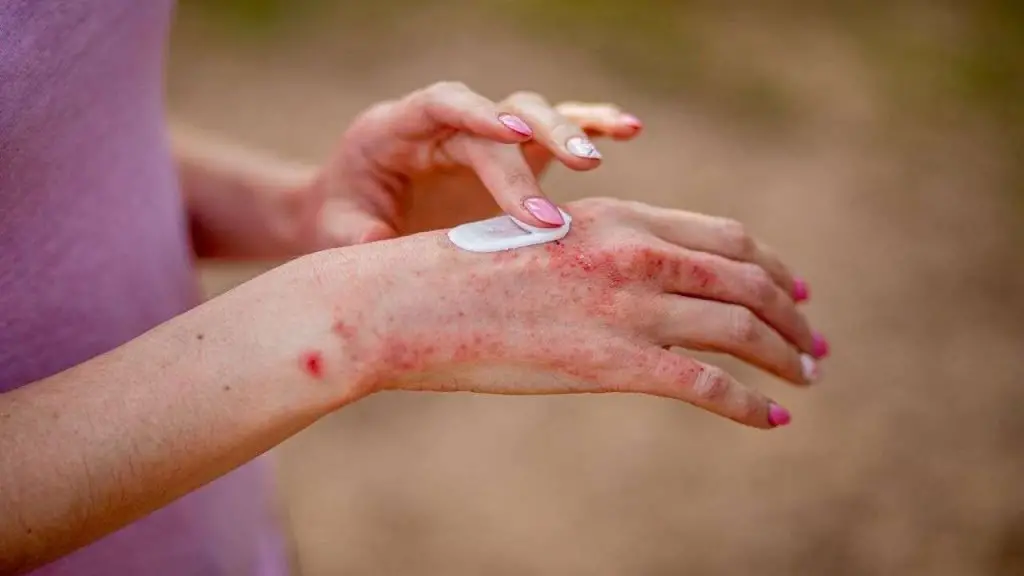
1. The Science-Backed Potential: How Sea Moss May Benefit Eczema
Sea moss isn’t magic, but it does have some qualities that make it worth trying for eczema care. Here’s how it may help your skin.
1.1 Anti-Inflammatory and Antioxidant Properties
- Calms redness and swelling during flare-ups
- Helps reduce oxidative stress (skin cell damage over time)
- Can make flare-ups less frequent or less severe
1.2 Strengthening the Skin Barrier and Enhancing Hydration
Eczema weakens the skin’s outer layer, making it hard to hold onto moisture. Sea moss gel creates a light film that:
- Locks in hydration
- Reduces dryness and cracking
- Supports stronger, more flexible skin
1.3 Essential Nutrients for Skin Repair and Regeneration
Sea moss is nutrient-dense. Some of the standouts include:
| Nutrient | How It Helps Skin |
| Vitamin A | Supports cell repair and healing |
| Vitamin C | Aids collagen production and elasticity |
| Vitamin E | Protects skin from free radicals |
| Zinc & Magnesium | Calm irritation and boost repair |
| Sulfur | Known to reduce inflammation in skin disorders |
1.4 Supporting the Skin Microbiome and Gut-Skin Axis
There’s a strong link between gut health and skin conditions. Sea moss works like a prebiotic:
- Feeds good gut bacteria
- Helps balance inflammation in the body
- May reduce overall skin sensitivity
1.5 Antimicrobial and Antibacterial Compounds
- Sea moss contains natural antibacterial agents
- May prevent infections on broken or scratched skin
- Adds a layer of protection for sensitive areas
When you add all of this up, it’s easy to see why people call sea moss an all-natural solution for calming eczema. Next, we’ll get into the practical side: how to actually use it at home.
2. Practical Applications: How to Use Sea Moss for Eczema
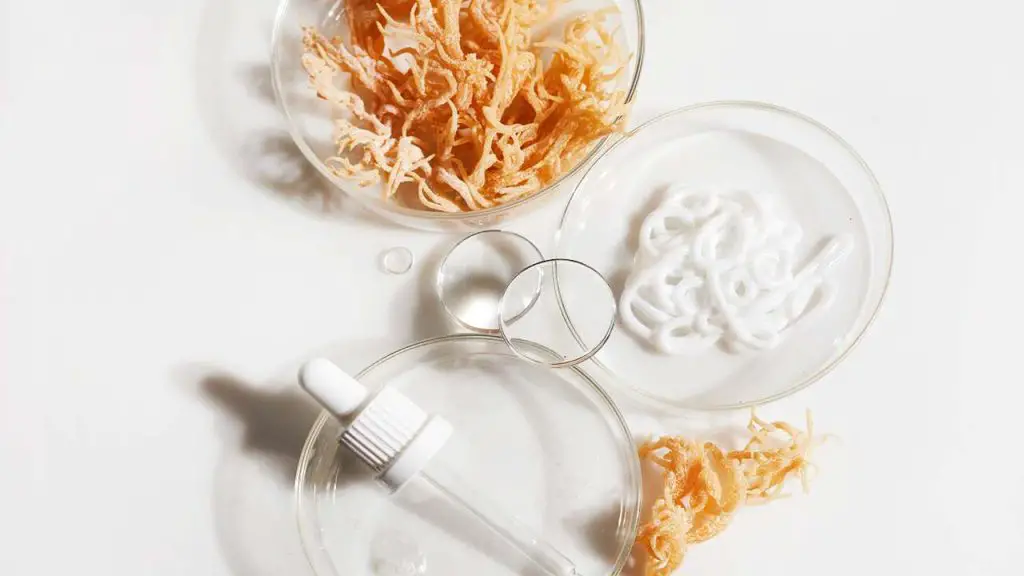
Sea moss can be used in two main ways: directly on the skin or through diet. Both approaches may support eczema management in different ways.
2.1 Topical Application: Creating and Using Sea Moss Gel for Direct Relief
You don’t have to be a DIY pro to try this. Sea moss gel can be made at home or purchased pre-made.
Basic Gel Preparation
- Rinse raw sea moss thoroughly to remove salt and sand.
- Soak it in clean water for 12–24 hours until it softens and expands.
- Blend with fresh water until smooth.
- Store in a glass jar in the fridge for up to 3 weeks.
How to Apply for Eczema Relief
- Use a thin layer on dry, itchy, or inflamed patches.
- Leave on for 15–20 minutes, then rinse with lukewarm water.
- For very dry areas, apply as an overnight mask and wash off in the morning.
Tip: Always patch test first, especially if you have highly sensitive skin.
2.2 Internal Consumption: Incorporating Sea Moss into Your Diet
Taking sea moss internally may help by reducing inflammation and supporting skin health from within. You can use gel, powder, or capsules, depending on what’s convenient.
2.3 Easy Ways to Add Sea Moss to Your Diet
- Blend a spoonful of gel into smoothies or juices.
- Stir into warm teas or lattes for a creamy texture.
- Add to soups or stews as a natural thickener.
- Mix a little powder into oatmeal, yogurt, or salad dressings.
- Try homemade gummies using sea moss gel, fruit juice, and a natural sweetener.
At a glance:
| Form | Best Use | Notes |
| Gel | Smoothies, soups, skin masks | Most versatile |
| Powder | Baking, oatmeal, drinks | Easy to measure |
| Capsules | Quick daily supplement | No prep needed |
Both topical and internal use can be combined for a balanced approach.
Up next, we’ll talk about safety, possible side effects, and things to keep in mind before making sea moss part of your routine.
3. Important Considerations and Precautions for Safe Use
Sea moss can be helpful, but like any natural remedy, it’s important to use it wisely. Here are a few things to keep in mind.
3.1 Sourcing High-Quality Sea Moss: Minimizing Risks
Not all sea moss is the same. Some products may be grown in less clean waters or mixed with fillers.
Tips for choosing good sea moss:
- Look for wild-harvested Irish Sea Moss from the Atlantic Ocean.
- Check that it’s free from heavy metal contamination.
- Avoid overly bleached or fake “pool-grown” varieties.
- Buy from brands that provide lab testing or clear sourcing information.
3.2 Potential Side Effects and Interactions
Sea moss is nutrient-rich, but too much can cause issues.
- Iodine overload may affect thyroid function.
- Can act like a mild laxative if consumed in excess.
- May interact with medications such as:
- Blood thinners
- Thyroid medication
- Certain blood pressure drugs
Possible reactions to watch for:
- Upset stomach
- Skin irritation with topical use
- Allergic response (rare but possible)
3.3 When to Exercise Caution and Consult a Professional
Sea moss may not be for everyone. Talk to a healthcare provider if you:
- Are you pregnant or breastfeeding
- Have thyroid disorders
- Take prescription medications
- Have severe or widespread eczema
At a glance:
| Who Should Be Careful | Why It Matters |
| Pregnant & breastfeeding | Not enough safety research |
| Thyroid conditions | Iodine can affect hormone balance |
| On medication | Possible interactions |
| Severe eczema cases | Need professional guidance |
When used responsibly, sea moss can be part of an all-natural solution for skin support.
Next, let’s look at how to fit it into a bigger eczema management plan, alongside other proven approaches.
4. Integrating Sea Moss into a Comprehensive Eczema Management Plan
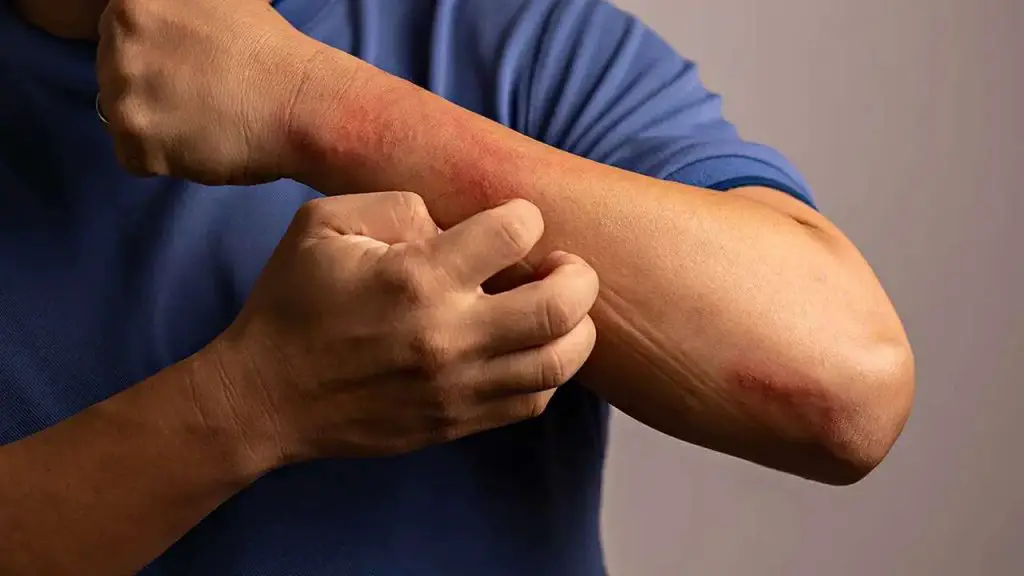
Sea moss can support skin health, but eczema usually needs a multi-layered approach. Think of it as one tool in your toolbox, not the whole kit.
4.1 Sea Moss as a Complementary Therapy: Not a Standalone Cure
While sea moss may ease skin irritation and support collagen production, it’s not a cure for eczema.
It works best when combined with other strategies like proper moisturization, diet, and medical care when needed.
4.2 Other Proven Natural Approaches for Eczema Relief
Many people mix sea moss with other gentle, natural remedies:
- Colloidal oatmeal baths to soothe itching
- Hydrating aloe vera for cooling relief
- Coconut oil or shea butter for cracked skin
- Omega-3 fatty acids (from flax, chia, or fish oil) to calm inflammation
| Natural Aid | How It Helps |
| Colloidal Oatmeal | Reduces itching, calms flare-ups |
| Aloe Vera | Cooling, hydrating for sensitive skin |
| Coconut Oil | Locks in moisture, repairs dry areas |
| Omega-3s | Support skin barrier, reduce inflammation |
4.3 The Role of Conventional Treatments
Dermatologists may recommend creams, ointments, or medications during flare-ups. These can:
- Quickly reduce inflammation
- Prevent infection on open or cracked skin
- Control severe or widespread symptoms
Sea moss may be a gentle daily support, while prescriptions handle urgent relief.
4.4 Holistic Lifestyle and Dietary Factors
Lifestyle choices can make a big difference in managing eczema. Alongside sea moss, consider:
- Following a balanced diet rich in Vitamin A, Vitamin C, and antioxidants
- Managing stress (a common trigger)
- Wearing breathable fabrics
- Avoiding harsh soaps or fragranced skincare
- Keeping skin moisturized as part of a daily skincare routine
Eczema care works best when all these pieces come together. Next, let’s look at what research says about sea moss and eczema, and where science still has more to uncover.
5. What the Research Says (and What We Still Need to Learn)
Sea moss has been used in traditional remedies for generations, but modern research on eczema is still catching up. Here’s what we know so far.
5.1 Current Scientific Understanding of Sea Moss and Eczema
- Sea moss, especially Chondrus crispus, contains antioxidants, Omega-3 fatty acids, and minerals that may support skin repair.
- Its anti-inflammatory and antibacterial properties could help calm flare-ups and prevent infection in atopic dermatitis.
- Some lab studies suggest that it may improve skin elasticity and protect against UV damage, acting as a mild UV protectant.
- Its role in collagen production may also aid in healing cracked or irritated skin.
5.2 Limitations of Current Research
- Most studies focus on sea moss in general health, not eczema specifically.
- Clinical trials on direct topical use for eczema are very limited.
- Variations in sea moss species (Irish Moss vs. other Red Seaweeds) make results harder to compare.
- Safety concerns like heavy metal contamination and iodine content need more study.
5.3 Future Directions in Sea Moss and Skin Health Research
Researchers are starting to look at sea moss more closely in skincare. Areas of interest include:
- How sea moss affects the skin microbiome and the gut-skin axis
- Its role in managing inflammatory skin disorders beyond eczema
- Using sea moss in skincare routine products like creams or masks
- Long-term effects of both topical use and internal consumption
- Combining sea moss with other natural remedies like Colloidal Oatmeal or aloe vera
Science is promising, but still early. For now, sea moss can be viewed as an all-natural solution to support skin health, but it works best alongside proven eczema care routines.
Sea Moss for Eczema: A Natural Support Worth Exploring

Eczema can be stubborn, and finding relief often takes trial and error. Sea moss, with its rich nutrients and soothing properties, may help calm irritation and support sensitive skin from the inside and out.
It isn’t a cure, but it can be a helpful piece of a broader plan that includes good skincare habits, nutrition, and medical guidance when needed.
If you’re curious, start small, try a simple sea moss gel on your skin, or blend it into a smoothie. Pay attention to how your body responds, and always source organic sea moss from trusted suppliers.
FAQs About Sea Moss and Eczema
No. Sea moss may ease symptoms like dryness, itching, and inflammation, but it’s best used as a complementary aid, not a standalone cure.
Yes, many people with sensitive skin use sea moss topically. Always do a patch test first to avoid irritation.
Most people stick to 1–2 tablespoons of gel or a small capsule serving per day. Don’t overdo it, as too much iodine may affect thyroid function.
Irish Sea Moss (Chondrus crispus) is a type of red seaweed from the Atlantic Ocean. It’s the variety most often linked to skincare and health benefits.
Yes. Many find relief when pairing sea moss with colloidal oatmeal, hydrating aloe vera, or dietary sources of Omega-3 fatty acids.
Amazon and the Amazon logo are trademarks of Amazon.com, Inc, or its affiliates