
As an Amazon Associate I earn from qualifying purchases.
Yellow algae, often called mustard algae, is one of the most persistent forms of pool algae found in residential and commercial pools.
Unlike green algae, which floats freely in the water, yellow algae clings tightly to pool walls, steps, and shaded corners where circulation is weaker.
It can survive in chlorinated water, resist standard cleaning treatments, and quickly return if the chemical balance is not maintained.
Over time, this growth can cloud the pool water, disrupt pH levels, and strain the filtration system. It may also cause mild skin irritation and discoloration of bathing suits.
Recognizing yellow algae early and understanding how it behaves are key steps in maintaining a clean, balanced, and safe swimming environment.

1. Understanding Yellow Algae: The Persistent Pool Invader
Among the many issues that affect pool water, yellow algae stands out as one of the most persistent.
It doesn’t spread quickly, but once it appears, it’s difficult to remove. Before tackling it, it’s important to understand what it is and why it resists regular cleaning.
1.1 What is Yellow Algae (Mustard Algae)?
Yellow algae, or mustard algae, is a slow-growing form of algae that clings tightly to pool walls, steps, and shaded corners.
Unlike green algae, which floats freely, it attaches to rough surfaces where water flow is limited.
It hides under pool toys and inside filtration systems, feeding on organic matter that settles in still areas.
While not toxic, it can upset the pH balance, cause mild skin irritation, and increase chlorine demand.
1.2 Why is Yellow Algae so Stubborn and Chlorine-Resistant?
- Forms a thin biofilm that blocks chlorine treatments from reaching its cells.
- Thrives in shaded areas with poor water circulation.
- High pH levels or low disinfectant strength make it harder to kill.
- Returns easily if pool covers, filters, or vacuum heads are not cleaned thoroughly.
Its ability to survive in chlorinated water makes it one of the toughest pool problems to manage consistently.
Now that you know what yellow algae is and why it’s so persistent, let’s explore how it can quietly damage your pool system, your health, and even your swimming experience.
2. The Real Dangers: Why Yellow Algae Poses a Threat to Your Pool and Health
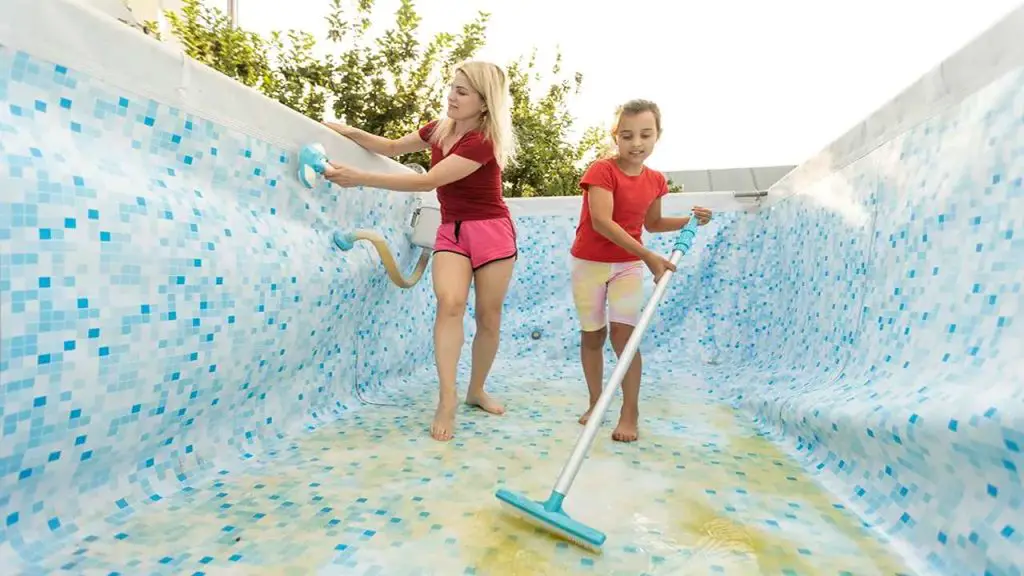
At first, yellow algae might look harmless, just a few yellowish patches along the pool walls or floor.
But beneath that appearance, it can quietly affect the water quality, the condition of your filtration system, and even how safe it is for swimmers.
Ignoring it for too long often leads to bigger maintenance issues and recurring chemical imbalances.
2.1 Impact on Bather Health: More Than Just an Eyesore
Swimming in water contaminated with yellow algae can cause mild irritation for sensitive swimmers.
The algae itself isn’t highly toxic, but the imbalance it creates in pool chemistry can lead to:
- Skin rashes or dryness due to inconsistent pH levels
- Eye irritation caused by excess chlorine demand and chemical residue
- Respiratory discomfort if the pool is poorly ventilated after chemical shocks
Regular water treatment and maintaining balanced disinfectant levels are essential to keeping pool water safe and clear.
2.2 Damage to Pool Equipment and Structure
When yellow algae multiplies, it clogs filters, affects water flow, and adds stress to pumps and heating systems. Over time, this buildup can:
- Reduce filtration efficiency and pressure balance
- Stain or discolor pool walls, steps, and tiles
- Shorten the lifespan of your pool filter and vacuum heads
If left untreated, it can spread into the plumbing lines, forcing the system to work harder and increasing electricity and maintenance costs.
2.3 Compromising Water Chemistry and Clarity
Yellow algae directly interfere with pool chemistry. It consumes chlorine, raises chlorine demand, and can push pH levels out of range. These changes cause:
- Cloudy or dull pool water
- Uneven chemical balance, making pool shocks less effective
- A cycle where algae reappears faster after each cleaning
When this happens, even strong calcium hypochlorite shocks or clarification treatments won’t hold long-term unless the filtration system and pH balance are corrected.
Even though yellow algae doesn’t look severe at first, its effects spread through every part of your pool system.
Now that we understand the risks, let’s look at what actually causes it to appear, and how to stop it before it takes hold.
3. Common Causes: Why Yellow Algae Appears in Your Pool
Yellow algae often shows up when your pool chemistry or maintenance routine slips out of balance.
It doesn’t need much to grow, just a few shaded spots, still water, and low disinfectant levels.
Here’s what usually triggers it.
3.1 Inadequate Sanitation and Chemical Imbalance
When chlorine levels or pH balance fall outside the recommended range, yellow algae quickly takes advantage.
- Low disinfectant levels allow spores to survive.
- High pH levels weaken chlorine’s strength.
- Missed pool shock treatments or irregular chemical checks create gaps in sanitation.
Regular testing and maintaining the right chemical balance are the first steps toward prevention.
3.2 Poor Circulation and Filtration
Algae thrives where water doesn’t move enough.
- Weak circulation leaves corners and steps untreated.
- A dirty or clogged pool filter reduces flow and filtration.
- Blocked skimmers or low pump speed trap debris and nutrients.
Good water movement keeps sanitizer evenly distributed and prevents buildup in hidden spots.
3.3 Contaminated Items and External Factors
Yellow algae often re-enter the pool through contaminated gear.
- Pool toys, brushes, and vacuum heads can carry spores.
- Swimwear, towels, or floats used in lakes or other pools spread contamination.
- Wind or rain can introduce spores into unprotected pools.
Cleaning and rinsing everything that touches your pool helps reduce the risk of recontamination.
3.4 Neglected Brushing and Cleaning
Even when chemicals are balanced, algae can cling to rough surfaces.
- Skipping brushing allows growth in corners and textured walls.
- Dirt or organic film blocks chlorine from reaching the surface.
- Uneven cleaning routines let small patches expand unnoticed.
Brushing pool walls, steps, and behind ladders weekly helps stop early growth before it spreads.
Small lapses in cleaning or water balance can give yellow algae the perfect environment to grow.
Now that we know the main causes, let’s focus on how to recognize them before they get out of control.
4. Identifying Yellow Algae: Distinguishing It from Other Pool Issues
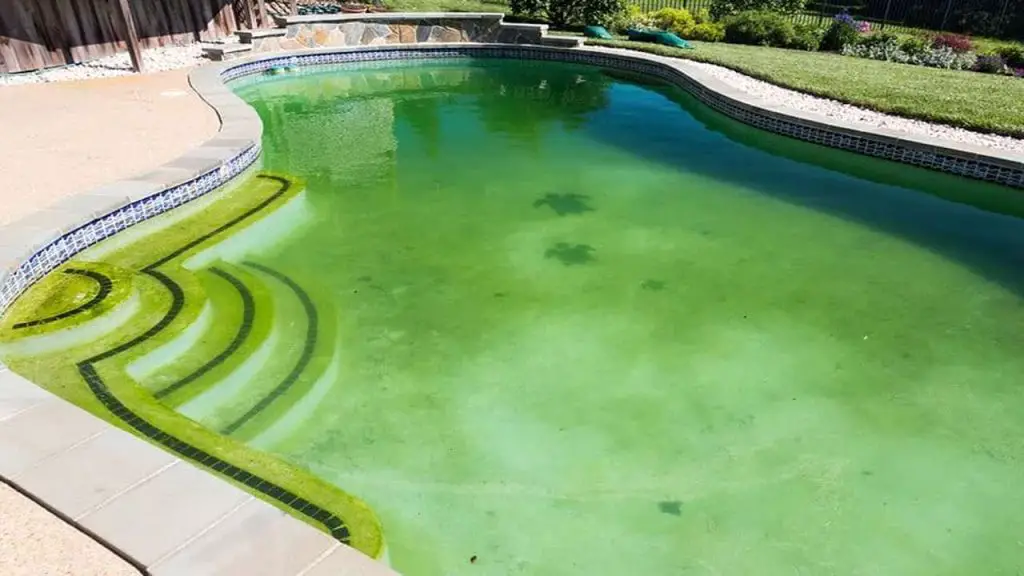
Yellow algae can easily be mistaken for dirt, sand, or pollen. But if it keeps coming back even after vacuuming or brushing, it’s a sign of something else.
Learning to recognize its appearance and behavior helps you treat it properly and avoid wasting time on the wrong fixes.
4.1 Distinctive Appearance and Location
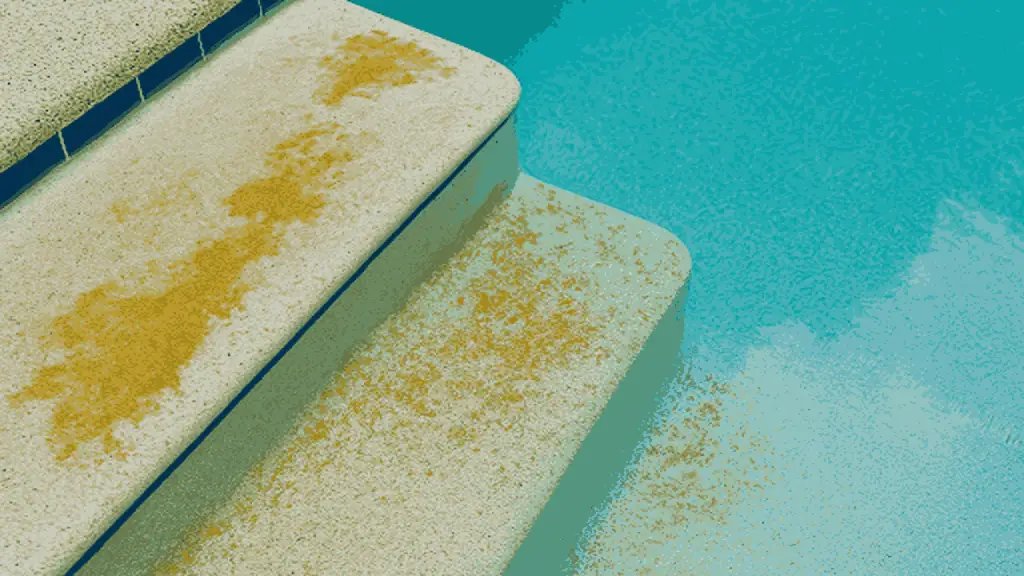
Yellow algae appear as light yellow or brownish patches that stick to pool walls, steps, and corners.
- Often looks like fine dust or sand.
- Common in shaded or low-circulation areas.
- Easily brushes away but quickly reappears in the same spot.
It tends to form in clusters instead of spreading evenly like green algae, making it easy to spot once you know what to look for.
4.2 Behavior and Persistence
This algae doesn’t float freely in the pool water. It attaches firmly to surfaces, especially in areas with weak water movement.
- Returns quickly after normal pool cleaning.
- Can survive routine chlorine treatments.
- Spreads through filtration systems, vacuum heads, and pool toys if not disinfected.
Its ability to hide and resist chlorine is what makes it one of the most frustrating pool chemistry problems for homeowners.
4.3 Water Testing for Confirmation
If you’re unsure whether it’s algae or debris, proper testing can confirm it.
- Use a water monitor or test strips to check pH levels and chlorine concentration.
- Persistent low disinfectant levels suggest organic growth.
- For confirmation, brush the patch; if it returns within a day or two, it’s algae, not dirt.
Regular testing and monitoring help catch the problem early, before it spreads across the pool.
Spotting yellow algae early makes treatment faster and far less demanding. Up next, we’ll look at the exact steps to remove it safely, and how to make sure it doesn’t come back.
5. Eradicating Yellow Algae Safely and Effectively
Once yellow algae takes hold, removing it requires more than a quick brush or regular chlorine dose.
The process needs physical cleaning, chemical precision, and consistent follow-up. Here’s how to eliminate it fully and prevent reappearance.
Step 1: Initial Physical Cleaning and Preparation
Brush every pool wall, step, and corner to loosen algae from surfaces. Vacuum to waste so spores aren’t recycled through the filtration system.
Clean debris from skimmers, baskets, and ladders before treating the water.
Step 2: Balance Water Chemistry
Check and adjust pH levels to the ideal range (7.2–7.4). Balanced water allows chlorine to work efficiently and prevents corrosion or staining after shock treatment.
Step 3: Aggressive Shock Treatment (Superchlorination)
Use a pool shock product containing calcium hypochlorite or a strong shock disinfection product.
Follow the dosage for mustard algae, usually two to three times the normal shock level. Keep the pool cover off during treatment to let gases escape.
Step 4: Specialized Algaecides and Boosters
After shocking, add a mustard algaecide or booster treatment. These products target chlorine-resistant strains and improve long-term control.
Step 5: Thorough Filtration and Backwashing
Run the filtration system continuously for 24–48 hours after treatment. Backwash or clean filter media to remove dead algae and trapped residue.
Step 6: Decontaminate All Pool Items and Surroundings
Clean pool toys, nets, brushes, and vacuum heads in a diluted chlorine solution. Rinse thoroughly before putting them back.
Wash bathing suits and towels that were used in the contaminated pool.
Step 7: Post-Treatment Monitoring and Retesting
Test pool water after 48 hours to confirm normal chlorine and pH balance. Repeat brushing in any areas showing residue.
Shock routinely for the next few weeks to stabilize disinfectant levels.
A complete cleanup not only clears yellow algae but also restores healthy pool chemistry and water clarity.
In the next section, we’ll focus on prevention, simple, consistent steps that keep your pool free from future outbreaks.
6. Preventing Future Outbreaks: Maintaining a Healthy Pool Environment
Keeping yellow algae away isn’t complicated; it just requires consistency. Regular checks, cleaning, and proper pool chemistry prevent the conditions where algae thrive.
Here’s how to maintain a clear, healthy pool year-round.
6.1 Consistent Water Chemistry Management
Stable water balance is the foundation of algae prevention. When pH levels or disinfectant levels drift, chlorine becomes less effective and allows spores to grow.
| Parameter | Ideal Range | Why It Matters |
| pH Level | 7.2 – 7.6 | Keeps chlorine active and comfortable for swimmers |
| Free Chlorine | 1 – 3 ppm | Maintains disinfectant protection |
| Total Alkalinity | 80 – 120 ppm | Stabilizes pH balance |
| Calcium Hardness | 200 – 400 ppm | Prevents corrosion and surface damage |
Use a water monitor or test kit weekly and adjust as needed to avoid chemical imbalance.
6.2 Regular Brushing and Cleaning
Even balanced water can’t prevent algae if surfaces aren’t clean. Brush pool walls, steps, and behind ladders weekly to remove buildup before it becomes visible.
Vacuum regularly to remove organic debris that feeds algae.
6.3 Optimal Circulation and Filtration
Good water movement distributes chemicals evenly and limits dead zones.
- Run the filtration system at least 8–12 hours daily during warm months.
- Clean or backwash filters as needed to maintain flow.
- Keep return jets aimed toward lower areas to push water through corners.
Consistent circulation reduces the risk of stubborn algae settling in hidden spots.
6.4 Showering Before Swimming and Washing Gear
Body oils, sunscreen, and dirt introduce nutrients that algae use to grow. Showering before swimming and rinsing bathing suits, pool toys, and vacuum heads prevent contamination and chemical imbalance.
6.5 Routine Shocking and Algae Preventatives
Shock the pool every one to two weeks, or more often during heavy use or rain. Use chlorine treatments or algae preventatives designed for chlorinated conditions to maintain proper disinfectant levels.
A clarification treatment or light chemical shock helps remove invisible organic waste before it causes cloudy water or imbalance.
With steady care and balanced chemistry, yellow algae won’t stand a chance.
In the next section, we’ll look at when it’s time to call in professional help, and how to know when routine maintenance isn’t enough.
7. When to Call the Professionals
Sometimes, even with your best efforts, yellow algae refuses to go away. When it becomes persistent or you don’t have time or tools for deep treatments, going pro is the smart move.
7.1 Recognizing Persistent Problems
Call in professionals if:
- You’ve repeated the full eradication steps, and the algae returns within days.
- Algae spreads fast and covers large surfaces.
- Your filtration system is unable to clear the dead algae.
- You notice recurring issues with water clarity or chemical balance despite efforts.
- Structural or plumbing issues appear (stains in plaster, algae within pipes, etc.).
7.2 Professional Services Available
Here are some U.S. pool service companies you could contact for serious yellow algae treatment, maintenance, and repair.
Use this as a reference; always confirm coverage in your area:
| Company | Location / Coverage | Services Offered | Notes / Contact |
| America’s Swimming Pool Company (ASP) | Nationwide franchises across the U.S. | Pool cleaning, repair, maintenance, renovation | Regular pool maintenance and deep clean services |
| Pool Scouts | Multiple U.S. locations | Cleaning, maintenance, specialty treatments | Offers no-contract services and post-service reports |
| Poolwerx | U.S. & international locations | Mobile pool service, supplies, and regular maintenance | Established brand in pool care |
| Patriot Pool & Spa | Southeast U.S. (Florida, Texas, etc.) | Pool cleaning, water balancing, service packages | Local branches, reliable support |
| ASP Pool Cleaning (ASP branch) | Various U.S. regions | Inground pool cleaning, deep cleaning, and repair | Part of ASP’s broader services |
Professional teams bring tools, chemicals, and experience you may not have, and when yellow algae becomes a repeat menace, they’re often the only reliable solution.
Is Yellow Algae Harmful: The Final Word on Pool Health
Yellow algae may not be dangerous, but it’s a warning sign that your pool chemistry and filtration system need attention. Left untreated, it clouds pool water, strains equipment, and causes recurring maintenance issues.
Managing it effectively means keeping pH levels, disinfectant strength, and water circulation in balance while cleaning every surface that algae can cling to.
With consistent care and professional help when needed, your pool stays clear, safe, and ready for swimming.
Understanding why yellow algae forms and how to control it isn’t just maintenance; it’s the foundation of a healthy, long-lasting pool.
Frequently Asked Questions: Is Yellow Algae Harmful?
Yellow algae usually grows when pool chemistry is unbalanced or chlorine levels drop too low. Poor water circulation, warm temperatures, and shaded areas make it easier for spores to settle and spread.
It isn’t toxic, but swimming in contaminated pool water can cause mild skin irritation or rashes, especially if the pH balance is off. The bigger risk is that it signals poor sanitation, not immediate danger.
Yellow algae can form a thin protective layer that resists chlorine treatments. High pH levels or uneven disinfectant distribution weaken chlorine’s ability to reach and kill the algae completely.
Brush the spot gently — if the yellow dust reappears within a day, it’s algae. Dirt or sand won’t return that quickly. Yellow algae often sticks to shaded pool walls or under steps, where circulation is weaker.
Follow a complete cleaning cycle: brush all surfaces, vacuum to waste, shock the pool with calcium hypochlorite, run the filtration system continuously, and disinfect all pool toys and gear. Keep pH levels between 7.2 and 7.6 to prevent regrowth.
Shock the pool every 1–2 weeks, or more frequently during heavy use or rain. Routine shocks maintain chlorine demand, stabilize pool chemistry, and reduce the chance of stubborn algae returning.
Yes. It can clog the pool filter, restrict water flow, and increase pressure in the filtration system. Over time, this can shorten the life of pumps, heaters, and filters.
Amazon and the Amazon logo are trademarks of Amazon.com, Inc, or its affiliates