
As an Amazon Associate I earn from qualifying purchases.
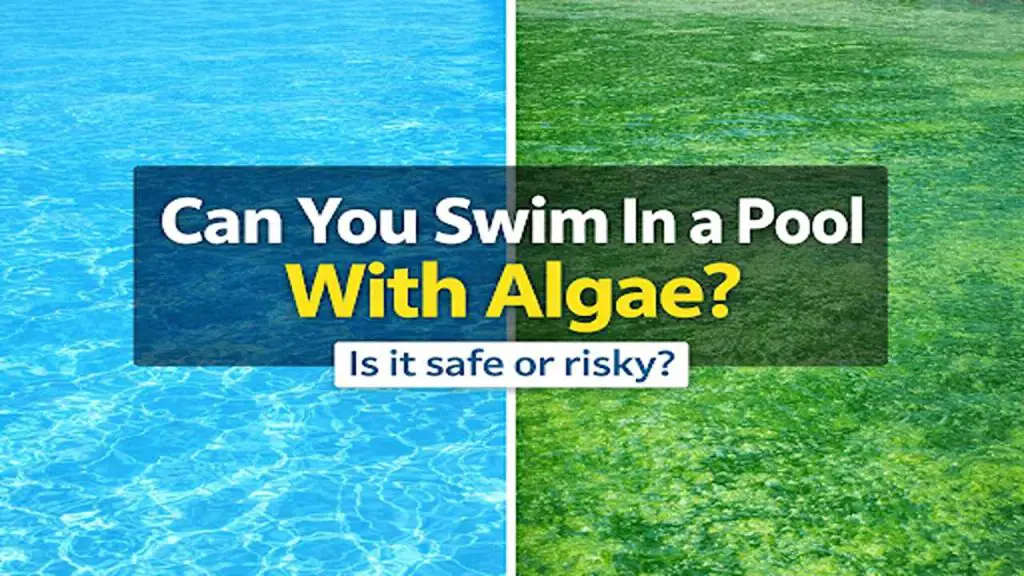
Can you swim in a pool with algae? That’s usually the first question when pool water turns green, or the walls stop feeling clean. One day, everything looks fine. Next, something feels off.
Algae in a swimming pool doesn’t always mean it’s unsafe right away. But it’s rarely random. Chlorine might be slipping.
pH levels drift without much warning. Filtration doesn’t always keep up, especially after heavy use or changes in weather conditions.
Not all pool algae behaves the same. A faint layer of green algae in the water isn’t the same as yellow or black algae stuck to pool surfaces.
The risk depends on the amount of algae present and the water chemistry at that point.
Sometimes, swimming is still fine. Other times, the pool needs attention before anyone gets back in.
1. Understanding Algae in Pools
Algae usually shows up after something else slips.
It’s more of a signal than a sudden problem.
1.1 Types of Algae
People often talk about “pool algae” like it’s one thing. It isn’t.
Green algae is what most pool owners run into first. The water starts looking dull, then turns green, and sometimes appears cloudy. It tends to show up fast when chlorine isn’t holding, and the pool’s getting a lot of sun.
Yellow algae, often called mustard algae, is easier to miss. It hangs around shaded walls and steps and doesn’t always float freely in the water. It rarely looks dramatic, but it doesn’t go away easily either.
Black algae is the hardest to deal with. It grows slowly and digs into pool surfaces, especially plaster. By the time you notice it, it’s usually been there longer than expected.
How algae looks, where it sticks, and how fast it spreads all point to different issues.
1.2 Causes of Algae Overgrowth
Algae doesn’t appear out of nowhere.
Chlorine slips. pH drifts. Water flow slows down. Sometimes it follows heavy rain, a busy swim week, or skipped maintenance.
When sanitizer levels fall behind and circulation isn’t keeping up, algae takes advantage. By the time it’s visible, the water’s usually been off for a bit.
That’s why algae says more about pool conditions than just color.
And those conditions matter when deciding whether swimming is still okay or if it’s time to stay out and fix things first..
2. Health Risks of Swimming in Algae-Infested Pools
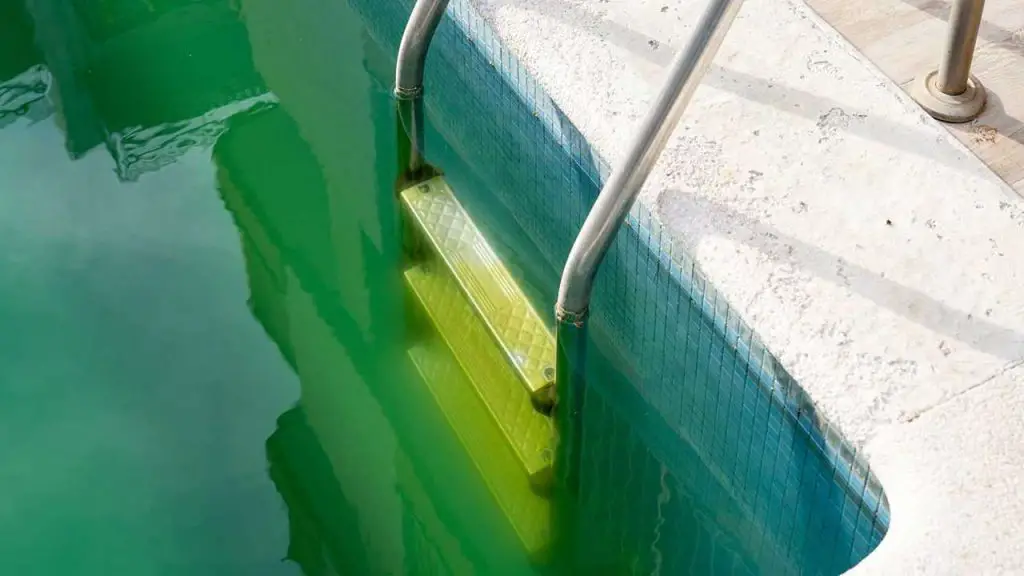
Algae isn’t always the danger. What it says about the pool usually is.
2.1 Skin Irritations
Most people notice it on their skin first.
Itching. Red patches. A rash that wasn’t there before swimming. When algae shows up, chlorine levels are often low or uneven, and pH levels drift without much warning.
The water stops feeling neutral. Sensitive skin reacts faster, especially in kids.
Green algae is the most common trigger because it spreads through the whole pool.
Yellow algae tends to stick to walls and steps, which means it gets disturbed every time someone swims past. If the pool feels slippery instead of clean, algae is actively growing.
That’s usually when irritation starts.
2.2 Infections and Other Health Concerns
The bigger issue isn’t always what you can see. Low sanitizer and weak filtration open the door for other things to grow alongside pool algae.
Ear discomfort, burning eyes, or stomach issues after swimming are more likely when water chemistry has been off for a while. Cuts or existing skin problems can react more than usual.
Black algae is different. It anchors itself into pool surfaces and doesn’t show up overnight. When it’s visible, the water has likely been struggling for some time.
At that point, the question isn’t just algae anymore.
Next, we’ll look at how to tell when pool water is still safe and when swimming should stop completely.
3. Safety Measures for Swimmers
Before deciding to swim, the pool water needs a quick reality check.
3.1 Assessing Water Quality
You don’t need lab equipment to spot early problems, but you do need to look closely.
Clear pool water should look clear all the way to the bottom. Cloudiness, green water, or a dull tint usually means something is off with chlorine or filtration.
Test strips help here. Free chlorine, pH levels, and stabilizer matter more than color alone.
A pool that smells strongly or feels harsh often has a chemical imbalance, not extra cleanliness. Low chlorine, drifting pH, or poor circulation tend to show up together.
If the water doesn’t feel neutral, it usually isn’t.
3.2 Recognizing Unsafe Conditions
Some signs mean swimming should wait.
- Slimy pool walls or steps
- Visible green algae, yellow algae, or black algae on surfaces
- Cloudy water where the drain isn’t clearly visible
- Recent heavy rain, fertilizer runoff, or missed maintenance
- Chlorine reading at or near zero
When these show up, the pool water isn’t properly sanitized, even if it looks mostly fine. Algae, bacteria, and other contaminants thrive under those conditions.
Swimming before fixing the chemistry only spreads the problem and increases health risks.
Next, we’ll look at how to prevent algae from taking hold in the first place, before swimming becomes a question at all.
4. Algae Prevention Strategies
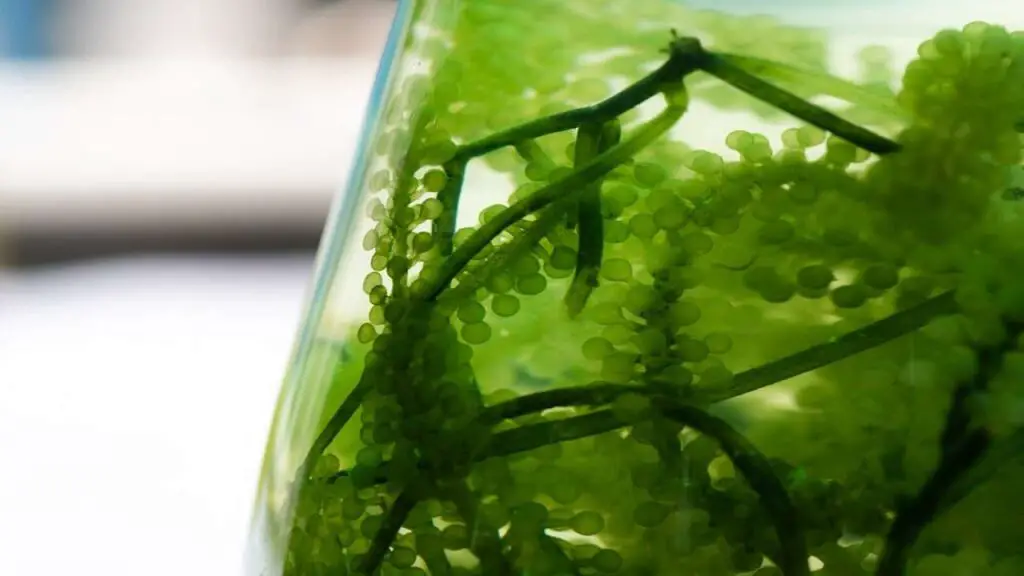
Most algae problems don’t start suddenly. They build up when routine care slips a little at a time.
4.1 Maintaining Chlorine Levels
Chlorine is what keeps algae from settling in.
When free chlorine drops, algae doesn’t wait. Sunlight and nutrients do the rest. This is why pools often turn green after hot days, heavy use, or rain.
Chlorine doesn’t have to be perfect every day. It just has to stay steady. Big jumps up and down usually cause more trouble than slightly off readings.
4.2 Regular Filtration Practices
Clear water doesn’t always mean clean water.
A pool filter helps move sanitizer through the pool and removes debris that algae feeds on. When filters clog or run too little, algae finds places to stick.
Corners, steps, and pool walls are common trouble spots. That’s usually where circulation is weakest.
Cleaning filters and backwashing when needed keeps water moving the way it should.
4.3 Adhering to Shock Schedules
Shock isn’t only for green pools. It clears out the buildup that regular chlorine misses. Skipping it lets contaminants pile up slowly, even when the pool still looks fine.
By the time algae showed, the balance was already off.
Next, we’ll look at what to do when algae is already present, and prevention didn’t catch it in time.
5. Treating Algae in Pools
Once algae is visible, prevention is no longer the focus. At this stage, the job is to remove it and stop it from coming back.
How you do that depends on the type of pool algae, how widespread it is, and how long it has been there.
5.1 Chemical Treatment Options
Most pool algae treatments rely on chlorine first.
A proper shock raises free chlorine high enough to break down algae and interrupt photosynthesis.
For mild green algae, this is often enough on its own. Tougher algae usually need more.
Common chemical tools include:
- Chlorine shock to kill active algae
- Targeted algaecides for yellow algae or black algae
- pH adjustment so chlorine can actually work
Different algae respond differently, which is why the same treatment doesn’t always work twice.
| Algae Type | Typical Response |
| Green algae | Clears quickly with shock and brushing |
| Yellow algae | Needs brushing plus algaecide |
| Black algae | Slow to remove, often needs repeated treatment |
5.2 Effective Circulation Techniques
Chemicals only work if they move.
Poor circulation leaves quiet areas where algae can survive, even after shocking the pool.
What helps during treatment:
- Run the pool filter continuously
- Brush walls, steps, corners, and seams
- Vacuum once algae turns loose
Backwashing or cleaning the pool filter during treatment matters too. A dirty filter just sends problems back into the water.
If algae keep returning to the same spots, circulation is usually part of the problem.
5.3 Tailoring Treatments to Pool Needs
Not all pools react the same way.
Surface type, filter system, and water chemistry all affect results. Vinyl liners, plaster pools, and fiberglass surfaces don’t tolerate aggressive brushing or strong chemicals in the same way.
A few things to keep in mind:
- Test the pool water before and after treatment
- Avoid stacking shock treatments too close together
- Watch for cloudy water or irritation as signs of overcorrection
Overtreating can cause as many issues as algae itself.
Up next, we’ll look at pool regulations, safety standards, and when professional oversight is the better option.
6. Regulatory Compliance and Pool Management
Public pools are held to a higher standard for a reason. When many swimmers share the same water, small lapses in sanitation or water chemistry can turn into real health risks.
This is where rules, training, and accountability matter.
6.1 Importance of CPO® Certification
A Certified Pool Operator (CPO®) is trained to manage pool water safely, not just keep it looking clear.
CPO certification focuses on:
- Proper chlorine and sanitizer levels
- pH balance and cyanuric acid control
- Filtration, circulation, and water flow
- Recognizing algae, bacteria, and unsafe conditions early
In pools managed by a CPO®, algae outbreaks are usually addressed before they spread. When algae does appear, it’s handled with documented procedures instead of guesswork.
That consistency is what protects swimmers, especially children and high-use facilities.
6.2 Adhering to Safety Standards
Health regulations for pools are built around prevention, not reaction.
Most safety standards require:
- Routine pool testing using test strips or digital sensors
- Minimum free chlorine levels at all times
- Clear water visibility to the main drain
- Immediate closure if sanitation falls out of range
When algae are present, many regulations require restricting access until the water quality is restored. That’s because algae often signals broader problems with sanitation practices, not just a cosmetic issue.
Following these standards isn’t about avoiding fines. It’s about keeping pool water safe enough that swimmers don’t have to think twice before getting in.
Next, we’ll look at regular maintenance and inspection routines that help catch algae problems before they reach this point.
7. Regular Maintenance and Inspection
Algae problems rarely come out of nowhere. In most pools, the warning signs show up days or even weeks earlier.
Regular checks are what turn algae from a surprise into something you catch early.
7.1 Routine Diagnosis
Routine pool checks are less about fixing problems and more about spotting small changes before they stack up.
A solid routine usually includes:
- Testing free chlorine, pH levels, and sanitizer balance several times a week
- Checking water clarity and circulation patterns
- Inspecting pool walls, steps, and corners where water flow is weaker
- Watching the filter pressure to catch clogs or reduced filtration
When chlorine demand suddenly increases or pH starts drifting more often, that’s usually your first clue that something in the pool is changing.
7.2 Early Detection of Algae Blooms
Algae doesn’t always start as green water. Early blooms can be subtle.
Common early signs include:
- A dull or slightly hazy look to the pool water
- Slippery spots on pool walls or steps
- Dust-like residue that returns quickly after brushing
- Algae collecting in shaded areas or near returns
Catching algae at this stage often means a small chemical adjustment and extra filtration time, not a full shock treatment.
That’s the advantage of early detection. You’re correcting conditions, not fighting an outbreak.
With regular inspection covered, the final step is tying everything together to keep swimming safe long term.
Let’s wrap it up with a clear conclusion and answers to the most common pool algae questions.
Conclusion: Ensuring a Safe Swimming Environment
Algae in a pool is rarely just a cosmetic issue. It’s usually a sign that chlorine levels, filtration, or overall water chemistry have slipped out of balance. Sometimes, swimming is still safe. Other times, algae is telling you to stop and fix the water first.
The key is knowing the difference. Light green algae in otherwise balanced pool water is not the same as yellow or black algae clinging to pool surfaces. Clear testing, consistent maintenance, and quick action matter more than how the water looks at first glance.
When pool water is properly sanitized, circulating well, and tested regularly, algae struggles to take hold. And when it does show up, addressing it early keeps swimmers safe and prevents bigger problems later.
A safe swimming environment comes down to one thing. Paying attention before algae turns into a health risk.
People Also Ask
The fastest approach combines multiple steps. Raise free chlorine with a proper shock treatment, brush pool walls and surfaces to break algae loose, run the filter continuously, and vacuum debris out of the pool. In stubborn cases, a targeted algaecide helps speed things up.
Shock treatment kills algae by raising chlorine high enough to stop photosynthesis. It works well for green algae when water chemistry is otherwise balanced. Yellow and black algae often need brushing, repeated shocks, and improved circulation to fully clear.
Swimming should be avoided when chlorine levels are too low, pH is far out of range, water is cloudy, or algae is actively growing on pool walls or surfaces. If you can’t clearly see the bottom of the pool, it’s best to stay out.
Dirty or poorly sanitized pool water increases the risk of skin irritation, rashes, eye discomfort, ear infections, and stomach issues if water is swallowed. Cuts and sensitive skin can react more strongly when bacteria levels are elevated.
If you want, next, we can tighten this further for featured snippets or optimize the FAQs specifically for zero-click Google results.
Amazon and the Amazon logo are trademarks of Amazon.com, Inc, or its affiliates