
Most aquarium snails do. That is why they end up in so many fish tanks.
Nerite snails, Mystery snails, and Malaysian trumpet snails all graze algae from glass, decor, gravel, and aquarium plants to some extent.
But algae control is where expectations matter.
Some snails clean soft green algae really well. Others barely touch hair algae or black beard algae at all. And if the tank conditions stay out of balance, algae usually comes back anyway.
Snails help keep an aquarium cleaner. They just are not the whole solution.
This guide breaks down which aquarium snails actually eat algae, what types they help with, and how to keep a cleaner, more balanced tank long term.

1. Understanding Algae Control in Aquariums
Algae is not always a sign that an aquarium is unhealthy.
A small amount is normal in most fish tanks. The problem starts when algae growth spreads faster than the tank can stay balanced.
Usually, that comes from a mix of:
- Excess light
- Leftover food
- Weak maintenance
- Too many nutrients in the water
That is why algae control is rarely about one fix.
Aquarium snails help by grazing algae from glass, decor, gravel, and plants, but the tank conditions still matter more than the cleanup crew itself.
A balanced aquarium usually has:
| Tank Factor | Why It Matters |
| Stable lighting | Slows excess algae growth |
| Regular water changes | Reduces organics and nutrients |
| Healthy aquarium plants | Compete with algae |
| Controlled feeding | Prevents waste buildup |
| Good filtration | Keeps water cleaner |
Once algae starts growing aggressively, the type of snail you choose starts making a bigger difference, too.
2. Mystery Snails: Efficient Algae Eaters
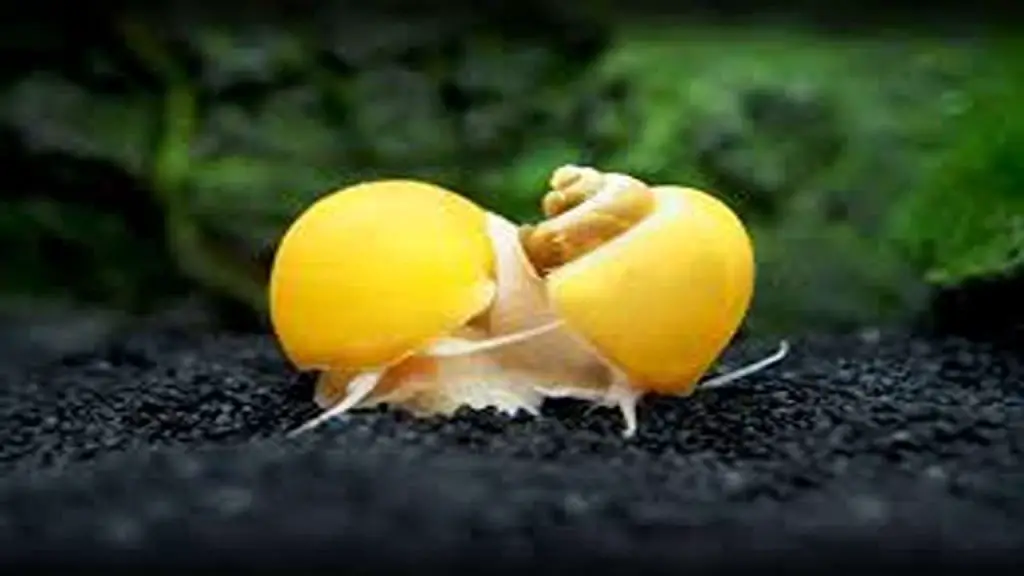
Mystery snails are popular for a reason.
They are active, easy to spot, and constantly moving across glass, decor, and aquarium plants looking for food.
They do eat algae, especially softer algae growing on smooth surfaces. In planted tanks, they also help clean leftover organics before the buildup gets worse.
But they are not aggressive algae eaters, the way some people expect.
Hair algae, black beard algae, and thick thread algae usually are not their specialty. Mystery snails tend to do better with softer algae films and general tank cleanup.
Their size matters too.
Unlike smaller pond snails or bladder snails, Mystery snails create a heavier bio-load, so overstocking them in smaller aquariums can create more waste than expected.
Most tanks do better with balance instead of loading in more snails, hoping the algae disappears.
Not all algae-eating snails behave the same way, though. Nerite snails, especially, tend to focus on different surfaces and algae types.
3. Types of Algae Mystery Snails Consume
Mystery snails are better at grazing soft algae than dealing with thick algae outbreaks.
Some algae types get cleaned constantly. Others barely get touched.
| Algae Type | Do Mystery Snails Eat It? | Notes |
| Soft green algae | Yes | One of their main food sources |
| Brown diatom algae | Yes | Common in newer aquariums |
| Algae film on glass | Yes | They graze this regularly |
| Loose algae on decor | Usually | Especially softer buildup |
| Hair algae | Rarely | May nibble loose strands only |
| Black beard algae | No | Usually ignored |
| Blue-green algae | No | Not true algae and rarely eaten |
| Thick thread algae | Rarely | Too dense for most Mystery snails |
Once the easier algae starts disappearing, Mystery snails usually move toward leftover food, algae pellets, vegetables like zucchini or spinach, and other organics around the tank.
That is why they work best as part of overall aquarium maintenance, not as the only method for algae control.
4. Benefits of Mystery Snails in Planted Tanks
Mystery snails fit planted tanks surprisingly well when the aquarium is already fairly balanced.
They spend most of the day moving across leaves, glass, driftwood, and decor, grazing soft algae and leftover organics before buildup gets too heavy.
In planted aquariums, that usually helps with:
- Light algae film on plants
- Leftover food
- Surface cleanup
- Reducing visible waste buildup
They are also gentler than some larger algae eaters.
Mystery snails normally leave healthy aquarium plants alone if they are getting enough food. Dying or weak leaves are a different story, though.
One thing planted tank owners notice quickly is how much these snails contribute to the bio-load. Larger Mystery snails create more waste than Nerite snails, especially in smaller tanks with limited filtration.
So they help maintenance, but they also become part of the balance you still need to manage.
Some aquarium keepers prefer Nerite snails instead because they focus even more heavily on algae itself.
5. Nerite Snails: Masters of Algae Control
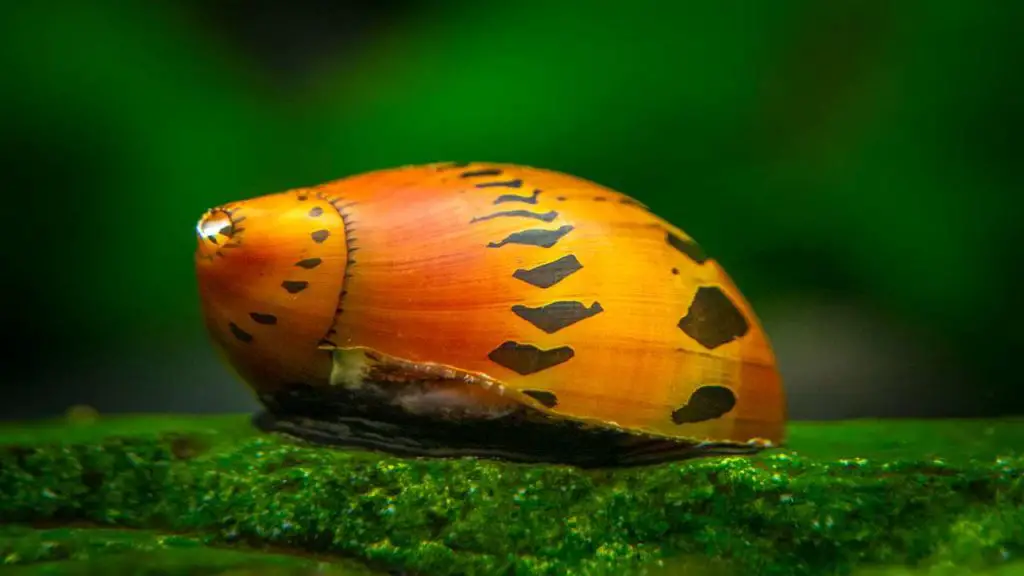
If the goal is algae control specifically, Nerite snails usually get recommended first.
And honestly, for good reason.
They spend most of their time grazing algae from:
- Glass
- Rocks
- Driftwood
- Decorations
- Tank walls
Compared to Mystery snails, Nerites are more focused on algae itself instead of leftover food or general cleanup.
They are especially good with:
| Algae Type | Nerite Snail Performance |
| Soft green algae | Excellent |
| Brown diatom algae | Excellent |
| Algae film on glass | Excellent |
| Spot algae | Good |
| Hair algae | Limited |
| Black beard algae | Poor |
Another reason aquarium keepers like them is the lower bio-load. Nerite snails stay smaller and usually create less waste in the tank.
But they are not perfect either.
Some refuse prepared foods completely and rely heavily on natural algae growth. In very clean aquariums, they sometimes need supplemental feeding or can slowly starve if the tank cannot support them.
And while they help a lot with maintenance, even Nerite snails cannot outwork poor tank conditions long term.
6. Exploring Different Varieties of Nerite Snails
Not all Nerite snails look the same, even if their behavior is fairly similar.
Some stay small and blend into planted tanks. Others stand out immediately because of their shell patterns.
A few of the most common varieties:
- Zebra Nerite snails
- Tiger Nerite snails
- Olive Nerite snails
- Horned Nerite snails
Most of them graze algae the same way. The difference is usually in appearance, size, and how easily they move across certain surfaces.
Horned Nerites, for example, tend to stay smaller and lighter, which some aquarium keepers prefer for delicate plants and decor.
One thing almost all Nerite species share is active grazing behavior. They spend a surprising amount of time moving across glass and hard surfaces looking for algae film.
And unlike many pest snails, Nerites usually do not reproduce aggressively in freshwater tanks.
That alone makes them easier to manage in planted aquariums.
Good algae eaters still need the right tank conditions, though. Water quality and stability matter more than most people expect.
7. Tank Conditions Ideal for Algae-Eating Snails
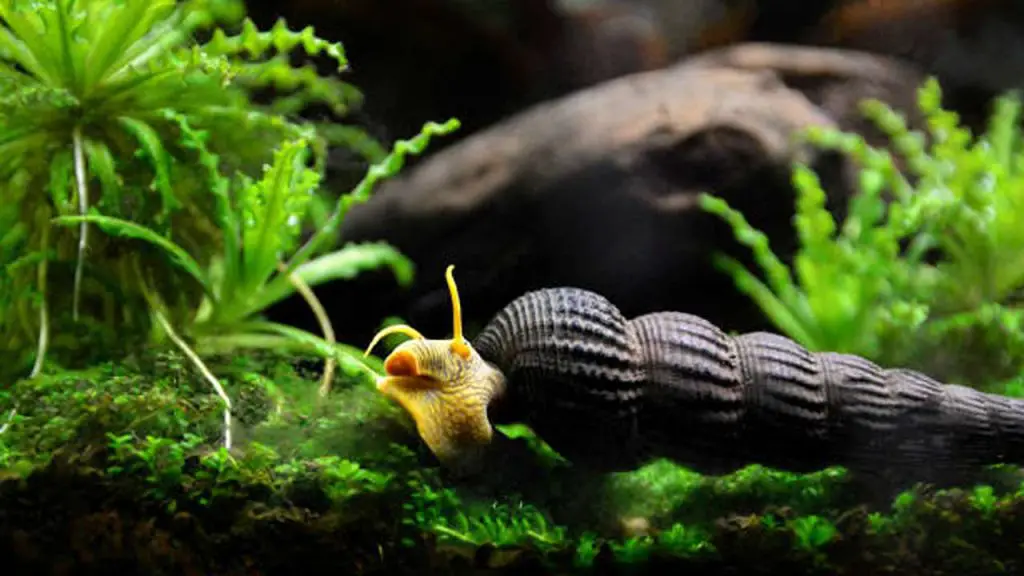
Healthy snails usually come from stable tank conditions, not just good food.
Most aquarium snails do best with:
| Tank Condition | Why It Matters |
| Stable temperature | Keeps activity and feeding consistent |
| Calcium in the water | Supports shell strength |
| Regular water change | Reduces organics and waste |
| Moderate algae growth | Gives natural grazing surfaces |
| Stable parameters | Prevents stress and inactivity |
Crushed coral, calcium-rich foods, and products like Seachem Equilibrium are sometimes used in softer water aquariums where shell erosion becomes a problem.
Copper is where aquarium keepers need to be careful.
Many snails react badly to copper-based medications and copper foods, even at low levels.
Good tank conditions help algae-eating snails stay active. Feeding matters just as much once natural algae starts running low.
8. Feeding Habits of Mystery and Nerite Snails
Algae is only part of their diet.
Mystery snails usually adapt quickly and accept:
- Algae pellets
- Zucchini
- Spinach
- Leftover fish food
- Sinking foods
Nerite snails are more stubborn sometimes.
Some rely heavily on natural algae and biofilm growing on glass, decor, and aquarium plants. In overly clean tanks, they may struggle if extra food is not available.
That is why spotless aquariums are not always ideal for algae-eating snails.
A little natural algae growth is usually healthier than constantly stripping every surface clean.
Feeding is one part of the balance. The other part is making sure the snails actually fit the rest of the aquarium community.
9. Compatibility with Other Tank Inhabitants
Most algae-eating snails are peaceful.
They usually coexist well with:
- Shrimp
- Corydoras
- Small community fish
- Peaceful planted tank species
The problems usually come from aggressive tank mates.
Cichlids, snail-eating predators, and some larger fish species may attack snails directly or constantly stress them.
Mystery snails also need enough space because of their size. Smaller aquariums with heavy bio-loads can become unstable faster once larger snails are added.
In planted tanks, slower and calmer setups usually work best.
Even in good tanks, snail care still comes with a few common problems aquarium keepers run into regularly.
10. Common Challenges and Solutions with Snail Care
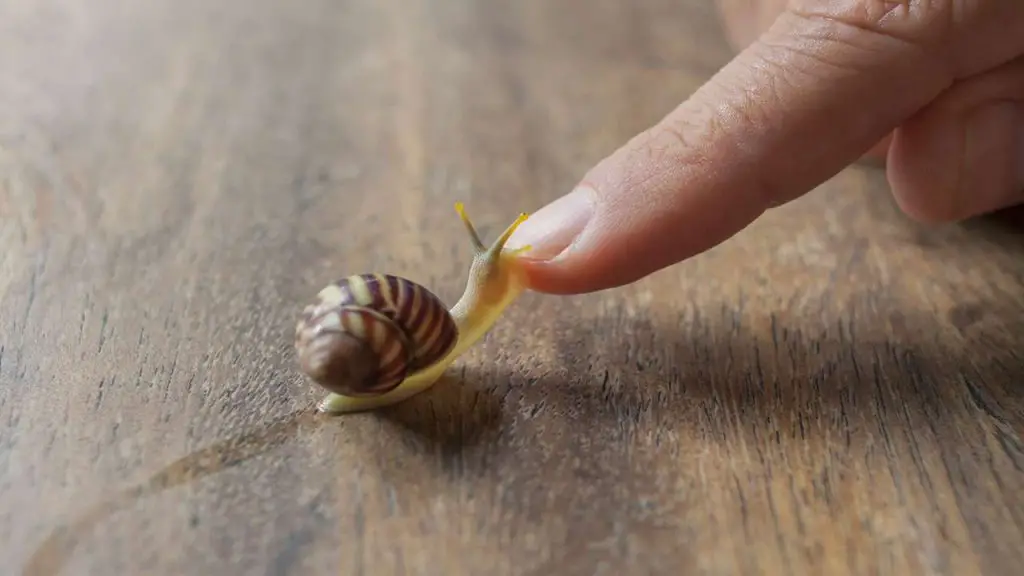
Most snail problems trace back to the tank conditions.
A few common ones:
| Problem | Usually Caused By |
| Shell erosion | Low calcium or unstable parameters |
| Inactive snails | Poor water quality or temperature stress |
| Rapid pest snail growth | Overfeeding and excess organics |
| Snails ignoring algae | Wrong algae type |
| Weak shells | Soft water conditions |
Hair algae and black beard algae cause confusion, too.
A lot of aquarium snails simply do not eat them consistently. That is why algae type matters more than many beginners realize.
And sometimes the issue is not the snails at all.
If algae growth keeps returning aggressively, the tank usually has excess nutrients, weak maintenance, or lighting imbalance somewhere in the system.
That is where the focus shifts away from individual algae eaters and toward the aquarium as a whole.
11. Creating a Balanced Aquarium with Snails
Snails work best in balanced aquariums.
Not spotless tanks. Not neglected ones either.
A cleaner, plant-safe aquarium usually comes from several things working together:
- Controlled feeding
- Healthy aquarium plants
- Stable lighting
- Regular tank cleaning
- Water changes
- Manageable bio-load
- Active algae eaters
Snails become part of that system.
They help clean surfaces, graze soft algae, and reduce some maintenance work around the aquarium. But they still depend on stable tank conditions to stay healthy and active long term.
Most experienced aquarium keepers stop treating algae as something to eliminate.
The goal becomes balance instead.
Conclusion: Sustainable Algae Management with Snails
So, do snails eat algae?
Yes. Many aquarium snails do, especially Nerite snails and Mystery snails. They help clean glass, decor, gravel, and aquarium plants while reducing softer algae growth around the tank.
But algae control is rarely about adding one species and expecting the aquarium to fix itself.
Tank conditions still matter more. Water quality, feeding habits, lighting, filtration, and regular maintenance all affect how much algae grows in the first place. If the aquarium stays out of balance, algae usually return, no matter how many algae eaters are added.
Healthy snails support a healthy aquarium. They work best in stable tanks with manageable bio-loads, healthy plants, and consistent maintenance.
That balance is what keeps algae under control long term while still keeping the aquarium clean, stable, and plant-safe.
FAQ’s:
They help, but they will not clean the entire aquarium by themselves.
Aquarium snails graze algae from glass, decor, gravel, and plants, but regular tank cleaning, water changes, and balanced feeding still matter more for long-term algae control.
Most algae-eating snails will.
Nerite snails and Mystery snails are especially good with soft green algae and algae film growing on hard surfaces inside fish tanks.
It depends on the algae type and the aquarium setup.
For snails specifically, Nerite snails are usually considered the most effective algae eaters for glass, decor, and brown diatom algae. Mystery snails help more with general cleanup and softer algae growth.
No single algae eater solves every algae problem though.
Sometimes, but not consistently.
Most Nerite snails prefer softer algae and algae film. Thick hair algae and black beard algae are usually ignored or only lightly grazed.
Usually yes.
Mystery snails and shrimp are commonly kept together in peaceful planted tanks because they occupy different areas of the aquarium and generally ignore each other.
The algae type may be the issue.
Some snails ignore black beard algae, thread algae, or blue-green algae completely. Overfeeding can also reduce grazing behavior because the snails start relying more on leftover food instead of algae around the tank.
7. What makes a snail happy?
Stable water conditions usually matter most.
Aquarium snails do best with:
- Stable temperature
- Enough calcium
- Clean water
- Moderate algae growth
- Consistent feeding
A balanced aquarium with healthy plants and low stress keeps snails much more active long term.