
As an Amazon Associate I earn from qualifying purchases.
Chaeto algae appears in many reef tanks because it is effective. People usually pick up a small clump of Chaetomorpha, toss it into the fuge, and forget about it for a while.
Most of the time, it grows, fills out the space, and seems to help keep the tank’s nutrients from creeping up.
Then you’ll have those moments where it suddenly slows down or looks a bit off, and it feels random.
Perhaps it was growing well last week, but now it’s thinning out or becoming pale for no apparent reason. It happens to a lot of aquarists.
This guide runs through the things that actually influence Chaeto growth so you can keep it steady and figure out what’s going on when it starts acting strange.
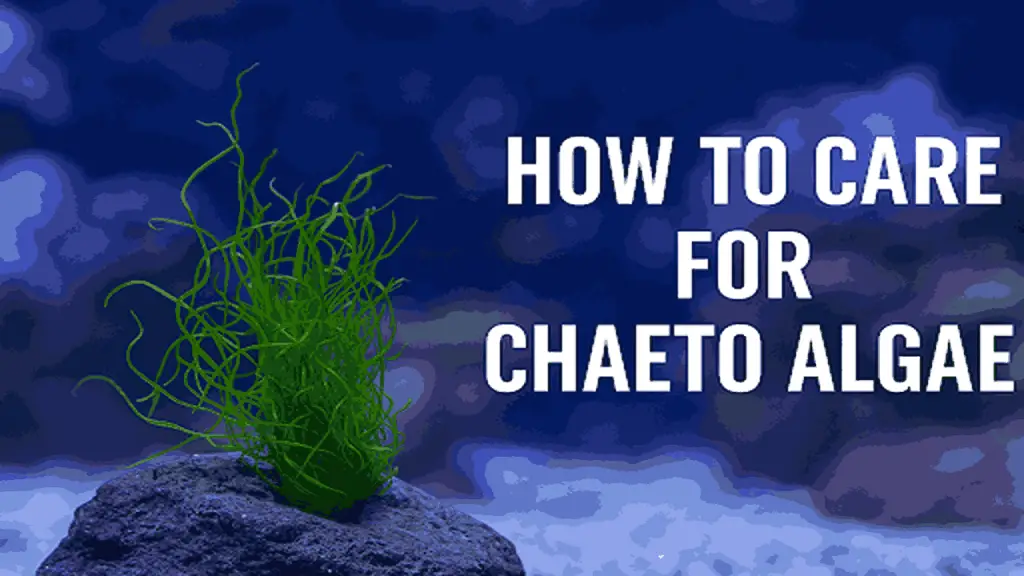
1. Understanding the Importance of Chaeto Algae
Chaeto algae (Chaetomorpha) are mainly used in a refugium for simple, steady nutrient export.
When it grows well, it keeps nitrate and phosphate in check and adds a layer of stability to the reef system.
1.1 Role in Nitrate and Phosphate Absorption
Chaeto absorbs nitrate and phosphate as it grows, which is why many aquarists rely on it instead of aggressive chemical media. A healthy clump will:
- Pull excess nutrients from the water
- Slow down nuisance algae in the display tank
- Make nutrient levels easier to predict
The actual export happens when you harvest the macroalgae and remove the stored nutrients from the system.
1.2 Benefits for Reef Tank Ecosystem
Beyond nutrient control, Chaeto supports a small but important food web.
Copepods, amphipods, and other microfauna hide and reproduce inside the macroalgae.
This keeps populations steady and sends a constant supply of live food to the display tank.
A refugium with Chaeto also helps smooth out pH swings when run on a reverse light cycle.
With the basics covered, the next step is looking at the conditions Chaeto needs to grow consistently.
2. Essential Conditions for Healthy Chaeto Growth
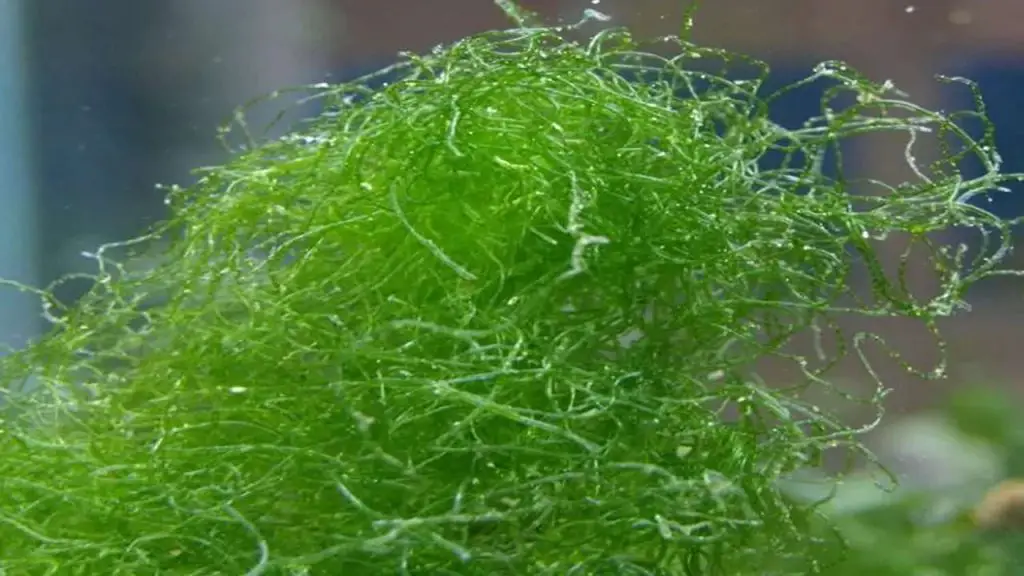
Chaeto grows fast when its basic needs line up. Lighting, water flow, and steady nutrient levels are the three things that decide whether Chaetomorpha thrives or slowly breaks down.
2.1 Lighting Requirements
Chaeto algae respond best to strong, full-spectrum refugium lighting. Most refugia run the light for a long cycle, often opposite the display tank, to support nutrient export and help stabilise pH.
Key points that usually work well:
- Full-spectrum or warm white LEDs made for refugiums
- Eight to sixteen hours of light, depending on nutrient levels
- Enough intensity for Chaeto to stay dense and green, not pale or stringy
If the top layer bleaches while the lower part stays dark, the light is too strong or not reaching evenly through the clump.
2.2 Ensuring Adequate Water Flow
Chaeto needs steady movement so it stays clean and gets fresh nutrients. Weak flow leads to detritus buildup inside the macroalgae, which slows growth.
Too much flow breaks the strands apart.
A simple setup works:
- Moderate, even flow across the refugium
- No dead spots where detritus settles
- Optional tumbling if the fuge layout allows it, but it’s not required
The goal is clean Chaeto, not fast spinning.
2.3 Nutrient Levels and Balance
Chaetomorpha relies on available nitrate and phosphate. If levels drop too low, it stalls. If nutrients spike, the macroalgae can turn brown or trap more detritus.
General ranges many aquarists aim for:
| Parameter | Typical Range for Chaeto |
| Nitrate (NO3) | 5 to 20 ppm |
| Phosphate (PO4) | 0.03 to 0.1 ppm |
| Iron | A detectable trace helps in lean systems |
Chaeto fertilisers or iron supplements are sometimes used in low nutrient reef tanks, especially when the macroalgae stops growing even though lighting and flow are correct.
With the core conditions set, the next step is keeping the Chaeto healthy through simple maintenance and regular cleanups.
3. Routine Maintenance Practices
Chaeto stays healthy when it’s kept clean and doesn’t grow into a dense, compact mass.
A little routine work in the refugium keeps nutrient export steady and prevents the macroalgae from trapping detritus.
3.1 Regular Trimming Techniques
Chaetomorpha grows fast when lighting, flow, and nutrients are in the right place, so trimming it is part of normal refugium care. Cutting or pulling out small sections helps it:
- Get better light penetration
- Avoid compacting into a heavy ball
- Stay bright green instead of turning dull or matted
Most aquarists remove a handful at a time during water changes. Harvesting is where the actual nutrient export happens, since you’re physically removing nitrate and phosphate stored inside the macroalgae.
3.2 Cleaning and Debris Management
Detritus buildup is one of the main reasons Chaeto slows down. Dirt, uneaten food, and waste settle inside the strands if the flow is weak, and that leads to browning or slow die-off.
A simple routine works well:
- Lift and shake the Chaeto ball in the tank water during water changes
- Clear out any sludge in the bottom of the refugium
- Keep powerheads and refugium screens free of clogged debris
- Check that pods and microfauna can still move through the macroalgae without getting trapped
Clean Chaeto grows faster, absorbs more nitrate and phosphate, and stays in better shape over time.
Once the maintenance routine is set, the next step is knowing how to spot early signs of trouble before they turn into a full Chaeto die-off.
4. Identifying Common Health Issues
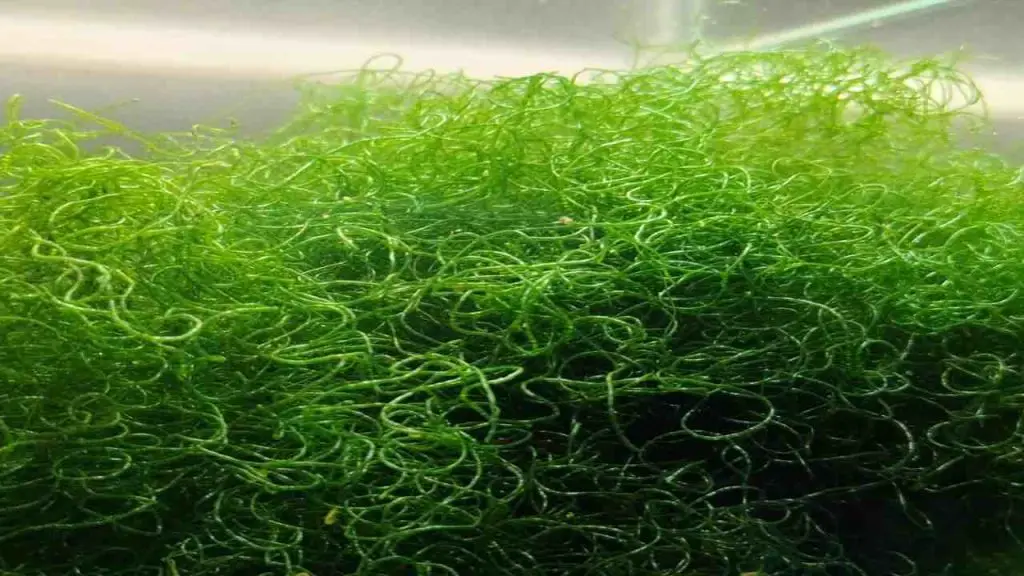
Chaeto gives visual clues when something is off. Catching these early makes recovery much easier and keeps nutrient export consistent.
4.1 Discoloration Causes and Solutions
Color changes usually point directly to a specific problem. Here’s a quick reference you can actually use:
| Chaeto Color Change | Likely Cause | Quick Fix |
| Pale, yellow, thin | Low nitrate, low iron, low phosphate | Raise NO3 slightly, dose iron or Chaeto fertiliser |
| White patches | Light too intense or uneven | Raise light, reduce output, loosen dense clumps |
| Brown, dusty, slimy | Detritus buildup or low flow | Clean refugium, increase circulation |
When Chaeto fades or browns, it’s struggling to get what it needs. Most of the time, either nutrients are too low, or debris is smothering the strands.
4.2 Addressing Poor Growth
Slow growth happens when Chaeto doesn’t have enough resources to build new tissue.
A few simple checks usually fix it:
- Nitrate measurable (not zero)
- Phosphate detectable
- Chaeto is not packed too tightly
- Refugium light actually reaching the entire clump
If all of that looks fine, a small dose of iron often makes a visible difference within a week.
4.3 Handling Chaeto Die-off
Chaeto die-off shows up as mushy strands, breaking pieces, or sections that crumble when touched. This usually follows a sudden system change.
Common triggers include:
- Aggressive GFO use
- Carbon dosing lowers nutrients too quickly
- Big parameter shifts from water changes
- Detritus is collecting underneath the macroalgae
When this happens, remove the dying parts, clean the fuge bottom, and stabilise nitrate and phosphate before adding more Chaeto.
Once you know the signs, the next step is tuning your setup so Chaeto doesn’t slip back into stress.
5. Adjusting Tank Parameters for Optimal Health
Small tweaks in nutrients, flow, and lighting often make the biggest difference. This part is more about fine-tuning than major changes.
5.1 Correcting Nutrient Deficiencies
Chaeto doesn’t grow in “too clean” reef tanks. It needs nitrate and phosphate to stay green and firm.
A simple approach:
- Keep nitrate around 5–20 ppm
- Keep phosphate around 0.03–0.1 ppm
- Add iron or trace elements if Chaeto looks washed out
- Reduce GFO or carbon dosing if nutrients keep bottoming out
Think of Chaeto as a nutrient sponge. It can’t absorb anything when the sponge is dry.
5.2 Modifying Water Flow Patterns
Flow keeps Chaeto clean and helps nutrients reach the entire clump.
Helpful adjustments:
- Aim for moderate flow, not a sandblaster
- Avoid dead zones where detritus settles
- Shake out the Chaeto ball during water changes
- Clear refugium screens and baffles so flow stays even
If tumbling works in your setup, great. If not, even movement is enough.
5.3 Optimizing Lighting Conditions
Chaeto relies heavily on the quality and duration of refugium lighting.
Use lighting to your advantage:
- Full spectrum or refugium-specific LEDs
- Eight to sixteen hours, depending on nutrients
- Reverse the light cycle if you want a steadier pH levels at night
- Raise the light if the Chaeto surface turns white
If nutrient levels are normal but Chaeto still won’t grow, lighting is often the missing piece.
With parameters adjusted, it helps to check the broader environment your Chaeto lives in.
6. Environmental Factors Affecting Chaeto
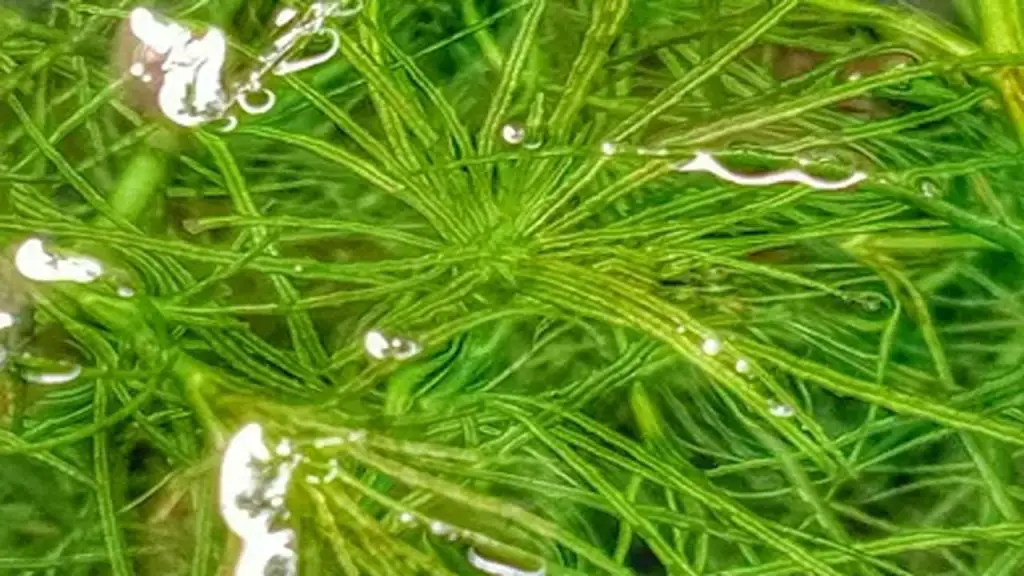
Chaeto reacts to big changes in the overall system, not just the refugium. Temperature and salinity matter more than most reef keepers expect.
6.1 Temperature and Its Impact
Stable reef temperatures keep Chaeto firm and bright.
Keep an eye on:
- Heat from return pumps warming the sump
- Refugium chambers with poor ventilation
- Sudden temp drops from water changes
Chaeto tolerates normal reef temps well, but swings make it limp or weak.
6.2 Salinity and Water Composition
Chaeto handles typical reef salinity, but large jumps slow growth fast.
Simple checks:
- Salinity around 1.025–1.026
- Avoid rapid top-off changes
- Keep alkalinity stable
- Ensure trace elements stay available
If you recently corrected parameters through an ICP test, give the macroalgae time to adjust.
If Chaeto still struggles after all this, the issue is usually something subtle you haven’t spotted yet.
7. Troubleshooting Unresolved Problems
When everything looks “correct”, but Chaeto still won’t grow, it’s often due to overlooked stress factors in the refugium.
7.1 Identifying Additional Stress Factors
These hidden issues pop up often:
- Chemical media stripping nutrients faster than you realise
- Carbon dosing is pushing nutrients too low for macroalgae
- Microscopic algae coating the Chaeto strands
- Caulerpa or Ulva shading the Chaeto in mixed refugiums
- Clogged baffles lowering the flow, even though the pumps look fine
Even small things like detritus under the Chaeto ball can stall growth for weeks.
7.2 When to Seek Professional Help
If the macroalgae keep melting, a deeper check can save weeks of guessing.
Useful next steps:
- Run an ICP test to check for missing trace elements
- Post full parameters on a reef forum for second opinions
- Confirm refugium light output hasn’t shifted
- Inspect the sump for hidden detritus areas
You’re not troubleshooting Chaeto alone. Most reefers have been through the same cycle at least once.
With everything covered, you’re ready to move to the conclusion and FAQs when you want to wrap it up.
Conclusion
Chaeto algae is one of the easiest tools for nutrient export, but it only thrives when lighting, flow, and nutrients stay steady.
Once those basics are in place, it grows predictably, supports pods, and keeps nitrate and phosphate under control without much effort.
A little routine care goes a long way, and with the right setup, Chaeto becomes one of the most reliable parts of a reef tank.
FAQ’s
Usually low nutrients or low iron. Make sure nitrate and phosphate are measurable, and consider adding a small trace or iron supplement.
In a healthy system, you should see noticeable thickening every one to two weeks. Slow growth often means low nutrients or weak lighting.
Not always. Tumbling helps keep it clean, but steady, even flow works just as well in most refugiums.
It can, but not well. ULNS setups often need intentional nitrate or phosphate dosing to keep Chaeto alive.
Big parameter swings, aggressive GFO use, low nutrients, or detritus buildup inside the macroalgae.
Yes, but Chaeto may compete for light and nutrients. Make sure the flow and lighting reach both macroalgae types.
Full spectrum or refugium-specific LEDs with a long, consistent photoperiod. Too much intensity can bleach the top layer.
It’s a good idea. Many hobbyists rinse it and check for hitchhikers before placing it in the refugium.
Every one to two weeks for most tanks. Harvesting is what removes stored nitrate and phosphate.
Yes. By absorbing nitrate and phosphate in the refugium it limits what nuisance algae can use in the display.
Amazon and the Amazon logo are trademarks of Amazon.com, Inc, or its affiliates