
As an Amazon Associate I earn from qualifying purchases.
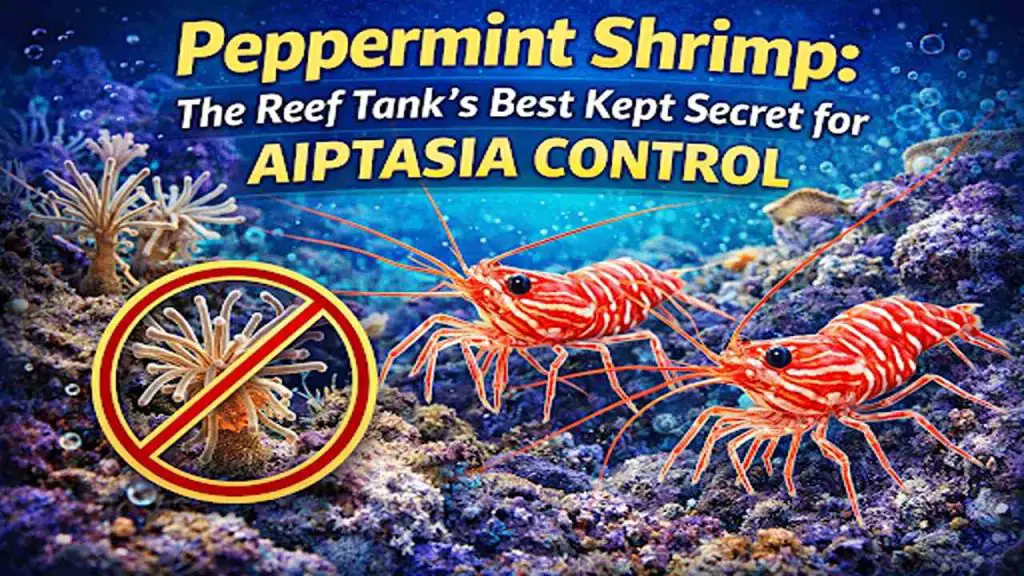
Peppermint shrimp are one of those invertebrates that every saltwater hobbyist eventually hears about, usually right after they discover Aiptasia spreading across their live rock.
Small, hardy, and genuinely useful in a well-run reef tank. But there’s more nuance here than most care guides let on. The species you actually get matters. The tank conditions matter.
Whether they bother your corals depends on factors most sellers won’t mention upfront.
This guide covers all of it. What peppermint shrimp actually are, what they do, how to keep them alive, and the one thing most hobbyists find out too late.
1. Visual Appeal of Peppermint Shrimp
They’re not just useful. Worth actually watching too.
1.1 Vibrant Colors and Patterns
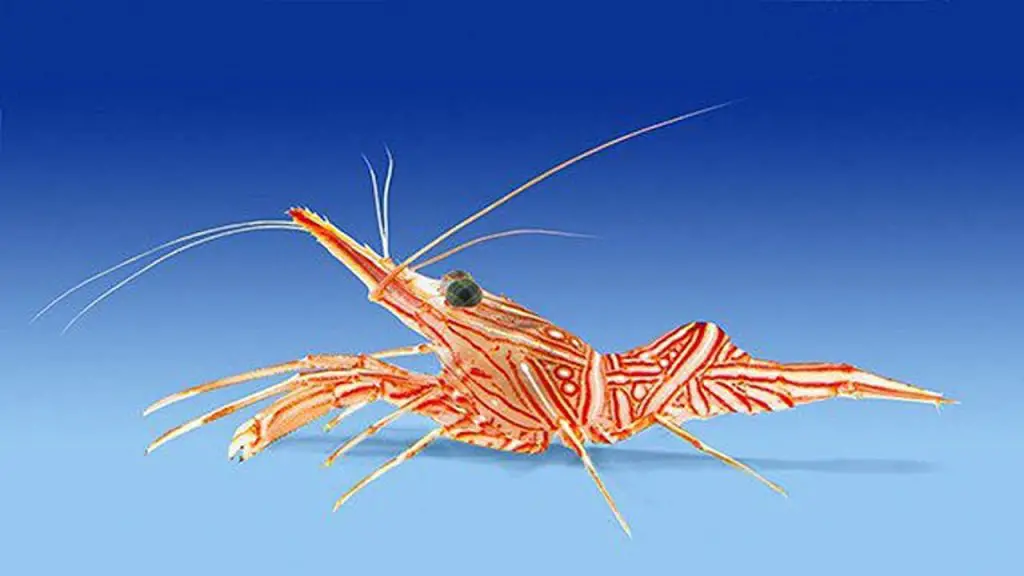
Translucent body. Red or pink stripes running lengthwise. Thin white lines breaking up the pattern.
That’s the look. Small too, most stay around 2 inches. Visible without taking over the tank.
One thing worth knowing early. Not every shrimp sold as a peppermint is actually Lysmata wurdemanni.
Lysmata boggessi looks almost identical, but behaves differently where it counts.
More on that in the Aiptasia section. For now, where you buy from matters more than the label on the bag.
1.2 Enhancing Aquarium Aesthetics
Nocturnal animals. During the day, they stay tucked into rock crevices, under ledges, out of sight.
Come evening, a different story. They’re out picking across live rock, moving through the reef scape, doing their thing.
A group of three to five gives you visible activity after the lights dim, without competition becoming a problem between them.
A single shrimp in a large tank mostly just hides. Not much to look at.
The looks are a bonus. The reason most hobbyists actually buy them is something else entirely.
2. Role in Aquarium Health
This is why most people buy them. Here’s the honest version.
2.1 Natural Predators of Aiptasia
Lysmata wurdemanni eats Aiptasia. That part is true.
The problem is species confusion. Lysmata boggessi gets sold under the same name constantly and shows almost no interest in Aiptasia.
Same look, completely different behavior. If Aiptasia control is the goal, confirm the species before buying.
Group size matters too. One or two shrimp rarely make a dent. Three to five gives you realistic grazing pressure on a moderate infestation.
For a tank already heavily covered, Berghia Nudibranchs are the more targeted solution.
2.2 Chemical-free Pest Control
No dosing and no compounds clearing the water. No risk to corals.
Peppermint shrimp handle Aiptasia, uneaten food, detritus, and small pest populations through normal foraging.
Passive, continuous, and reef safe when properly fed.
2.3 Cleaning and Maintaining Tank Cleanliness
They’re active scavengers. Food that settles near rockwork gets picked up before it breaks down into ammonia.
Pair them with snails, and you’ve got surface grazing and rock work covered simultaneously.
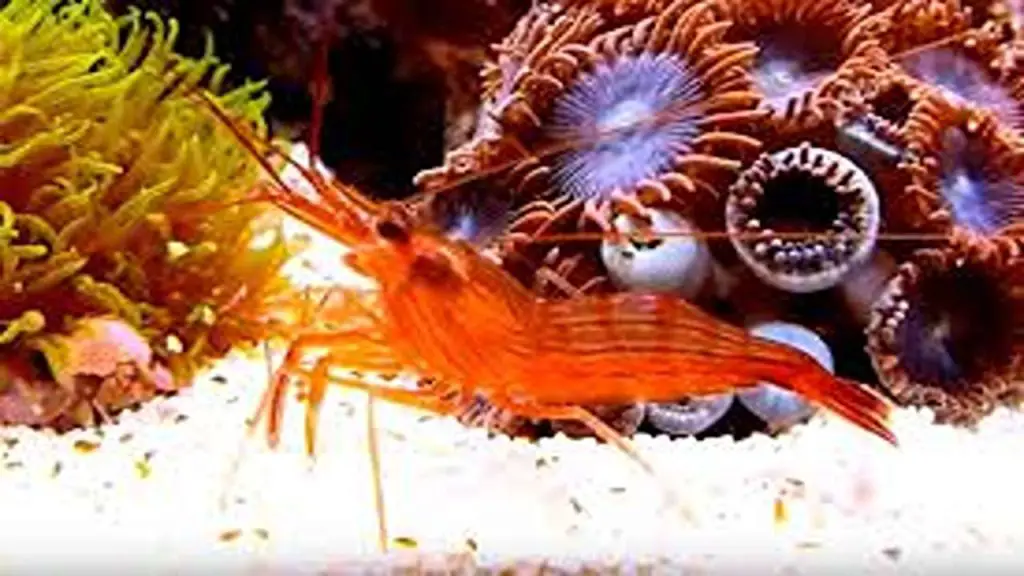
One thing worth knowing. Underfed peppermint shrimp will nip at snails and soft coral polyps. Keep them fed with meaty foods, and that risk drops significantly.
Useful in the right conditions. Whether your tank actually meets those conditions depends on a few specific parameters.
3. Ease of Care
Peppermint shrimp are forgiving. But a few parameters matter more than most care guides admit.
3.1 Specific Water Parameters
Stability is more important than hitting exact numbers. Sudden swings in salinity, temperature, or pH stress shrimp faster than gradual drift does.
| Parameter | Target Range |
| Temperature | 72 to 78°F |
| Salinity | 1.023 to 1.026 |
| Nitrate | Below 20 ppm |
| Nitrite | 0 ppm |
| Ammonia | 0 ppm |
| pH | 8.1 to 8.3 |
Molting is the vulnerable period.
A shrimp that’s just shed its carapace is soft, slow, and an easy target. Stable water parameters and adequate hiding spots in the rock work reduce molting stress considerably.
3.2 Optimal Diet and Feeding Practices
Scavengers by nature. In a well-stocked reef tank, they find most of what they need on their own.
Supplement with:
- Frozen mysis or brine shrimp
- Meaty prepared foods
- Small pieces of marine flesh
Feed two to three times weekly if the tank isn’t producing enough natural detritus. An underfed shrimp is a problem shrimp. It will find food somewhere, and you won’t always like where.
3.3 Compatibility with Marine Life
Generally reef safe with some exceptions worth knowing upfront.
| Compatible | Use Caution |
| Soft and hard corals | Hungry shrimp may nip soft coral polyps |
| Most reef fish | Wrasse species actively hunt small shrimp |
| Snails and hermits | Underfed shrimp will target snails |
| Other Lysmata shrimp | Usually peaceful in groups |
Wrasses are the biggest compatibility concern. Many wrasse species view small shrimp as food regardless of tank size. Check specific species before adding peppermints to a wrasse-heavy system.
Get the conditions right, and peppermint shrimp largely take care of themselves. Understanding where they come from helps explain why.
4. Habitat and Distribution
Knowing where peppermint shrimp come from makes it easier to understand what they need in captivity.
4.1 Natural Habitat Characteristics
In the wild, peppermint shrimp live in shallow reef environments. Rocky outcroppings, coral rubble, seagrass beds. Anywhere with enough structure to hide in during daylight hours.
They prefer low to moderate light conditions. In nature, that means sheltered spots under ledges and inside crevices. In a tank, it means they’ll self-select the darker areas of your rock scape without much encouragement.
Water movement in their natural habitat is moderate. Not a high surge environment. A flow that moves food past them without blasting them off the rock.
4.2 Geographic Distribution
Lysmata wurdemanni is a Caribbean species. Native range runs from the Florida Keys up the Eastern Seaboard through the Chesapeake Bay, across Caribbean reefs, and into the Gulf of Mexico.
That range matters beyond geography. Peppermint shrimp showing up outside is a growing concern.
Ballast water from commercial shipping has introduced them into non-native waters. The National Estuarine and Marine Exotic Species Information System and iMapInvasives both track confirmed sightings outside the native Caribbean range.
New York waters have recorded established populations. Release of aquarium animals is a direct contributor.
Don’t release tank animals into local waterways. Ever. Decontamination of equipment before use in natural water bodies is standard responsible practice.
4.3 Mimicking Natural Environments in Tanks
Replicating the conditions peppermint shrimp come from isn’t complicated.
- Plenty of live rock with crevices and overhangs for shelter
- Moderate flow, not direct high-velocity output
- Subdued or natural lighting schedule rather than intense reef lighting
- Stable salinity matching Caribbean reef conditions, 1.025 to 1.026
- Rockscape arranged to create shaded low-flow zones
One thing that helps more than most hobbyists expect: a consistent lighting schedule.
Peppermint shrimp are nocturnal and regulate activity around the light cycle. Irregular lighting disrupts that rhythm and keeps them hidden even when the tank is dark.
Natural habitat sets the baseline. How they interact with the rest of your tank community is the next piece of the puzzle.
5. Compatibility in Community Tanks
Peppermint shrimp are peaceful. But a few tankmates make things complicated.
5.1 Cohabitation with Other Species
Most reef inhabitants leave them alone. A few don’t.
| Safe Tankmates | Avoid |
| Clownfish | Wrasses |
| Gobies | Hawkfish |
| Soft and hard corals | Large aggressive fish |
| Snails and hermits | Triggers and puffers |
| Other Lysmata sp. | Hungry lionfish |
Wrasses are the main concern. Even smaller wrasse species will pick off peppermint shrimp given the chance.
If wrasses are already in the tank, peppermints often don’t last long, regardless of the number of hiding spots available.
Rhynchocinetes durbanensis, sometimes sold as a similar shrimp in the aquarium trade, is not the same animal.
It’s more aggressive and will actively harass peppermint shrimp. Don’t mix them.
5.2 Social Behavior and Interaction
Peppermint shrimp are social within their own species. Groups of three to five coexist without issue and forage together after lights out.
They’re simultaneous hermaphrodites.
Every individual can spawn. In a group with stable water parameters, breeding happens regularly.
Shrimp larvae rarely survive in a display tank without dedicated rearing, but the spawning itself is harmless and actually a good sign that water parameters are dialled in.
Community compatibility is mostly straightforward. The ecological side of keeping them raises a few questions worth addressing directly.
6. Understanding Potential Impacts
Peppermint shrimp are reef safe. But responsible keeping goes beyond the display tank.
6.1 Ecological Balance and Shrimp Population Control
In a closed reef tank, population control happens naturally. Larvae don’t survive in a display tank with active filtration and hungry fish. Spawning happens but rarely produces juveniles without dedicated rearing effort.
The ecological concern is outside the tank.
Lysmata wurdemanni is established in non-native waters along the Eastern Seaboard and into the Chesapeake Bay. Ballast water and aquarium releases are the two main pathways for introduction.
Once established in a new environment, they compete with native invertebrates for food and habitat.
Captive-bred shrimp from commercial fish farms using sustainable practices reduce pressure on wild Caribbean reef populations. Worth prioritising when sourcing.
6.2 Monitoring for Overpopulation
Inside the tank, overpopulation is rarely a serious problem. Natural predation and larval mortality keep numbers in check without intervention.
A few signs the balance is shifting:
- Shrimp becoming bold during daylight hours
- Increased nipping at soft coral polyps
- Snail mortality rising without obvious cause
Any of these usually points to underfeeding rather than overpopulation specifically. Increase feeding frequency first. If behaviour doesn’t improve, reduce group size.
Never release surplus shrimp into natural waterways. Local decontamination station guidelines apply to equipment used in both tanks and natural water bodies.
Report any sightings of peppermint shrimp outside their native Caribbean range to MapInvasives or the National Estuarine and Marine Exotic Species Information System.
Conclusion
Peppermint shrimp earn their place in a reef tank. Good looking, useful, and low maintenance when conditions are stable. The Aiptasia control reputation is deserved, but only with the right species, the right group size, and a tank that’s actually meeting their basic needs.
Species confirmation before buying. Consistent feeding once they’re in. A rockscape with enough shelter to make them comfortable. That’s genuinely all it takes.
One last thing. These are Caribbean animals. Keep them in the tank.
People Also Ask:
Primarily Aiptasia control. Beyond that they’re active scavengers, picking up uneaten food, detritus, and small pest populations as part of normal foraging. They contribute meaningfully to a clean-up crew in any reef tank and add visible activity after lights dim.
No. They’re among the more forgiving invertebrates in the saltwater hobby. Stable water parameters, adequate hiding spots, and regular feeding cover most of what they need. The main risk is compatibility; wrasses and aggressive fish will predate them regardless of tank size.
Yes, but species matters. Lysmata wurdemanni has a genuine track record against nuisance Aiptasia anemones. Lysmata boggessi, sold under the same name constantly, shows far less interest. Confirm the species before buying. For heavy infestations, Berghia Nudibranchs are the more reliable option.
Three is a reasonable starting point. Enough to create visible activity and realistic grazing pressure on Aiptasia without competition between individuals becoming an issue. A single shrimp in a 20 gallon will mostly stay hidden and accomplish little.
Amazon and the Amazon logo are trademarks of Amazon.com, Inc, or its affiliates