
As an Amazon Associate I earn from qualifying purchases.
What eats hair algae in an aquarium? If you’re asking that, chances are it’s already spreading.
You scrape it off. It looks better for a few days. Then it creeps back over the plants or rocks as if nothing happened.
Yes, some creatures will graze on it. But here’s what people don’t like hearing.
If it keeps coming back, the tank is feeding it.
Excess nitrate. Phosphate creeping up. Lights running too long. Sometimes all three.
Add a cleanup crew if it makes sense. Just don’t ignore why it showed up in the first place.
That’s where the real fix starts.
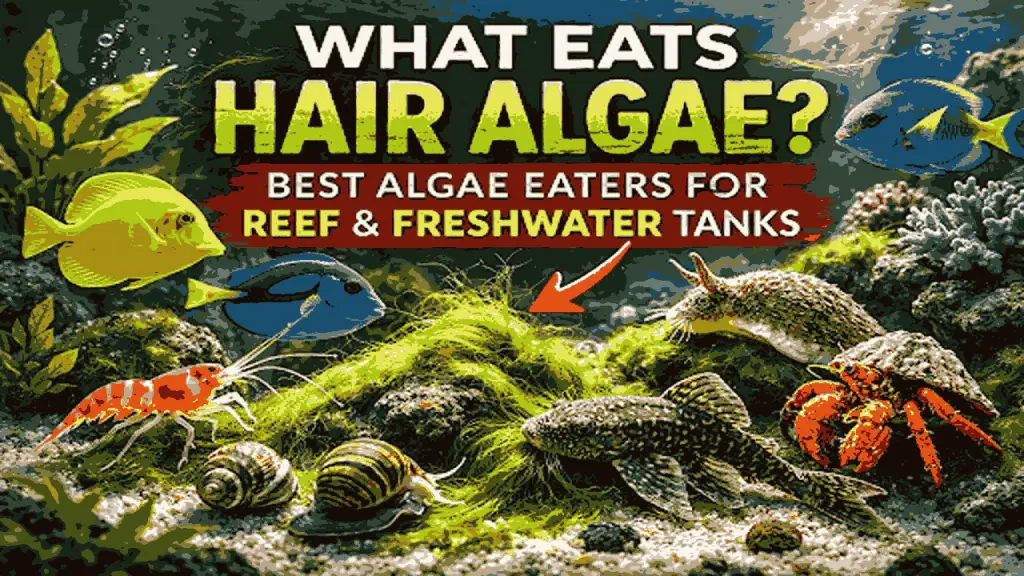
1. Understanding Hair Algae
Before worrying about what eats hair algae, it helps to know what you’re actually dealing with.
Not every green thread in an aquarium is the same thing. True green hair algae, often from species like Derbesia spp., grows in soft, stringy strands that attach to hard surfaces.
1.1 Characteristics of Hair Algae
Hair algae looks exactly how it sounds.
Thin green strands. Sometimes short and fuzzy. Sometimes long and flowing.
You’ll usually see it:
- On rocks
- Along the sand bed
- Clinging to driftwood
- Wrapping around aquatic plants or corals
In a reef tank, it often shows up on exposed rock. In a planted tank, it tends to attach to leaves, especially slower-growing plants.
It doesn’t feel slimy like cyanobacteria. And it doesn’t dust surfaces like diatoms.
It grows in strands you can physically pull.
That’s one clear sign.
1.2 Causes of Hair Algae Blooms
Hair algae blooms don’t happen randomly.
They happen when the tank has more available nutrients than plants or corals can use.
The usual drivers:
- Elevated nitrate
- Rising phosphate
- Excess iron from fertilizers
- Long or intense light cycles
- Inconsistent water changes
Sometimes it’s subtle. Maybe feeding increased or RO water wasn’t pure. Maybe mechanical filtration isn’t removing debris effectively.
Algae respond quickly to imbalance.
Faster than plants.
1.3 Impact on Aquarium Health
A little algae is normal. Even healthy.
But uncontrolled hair algae can:
- Block light from aquatic plants
- Smother corals in a reef tank
- Trap detritus at the bottom
- Reduce flow in dense patches
Left unchecked, it shifts the balance of the aquarium’s ecosystem.
And once it takes hold, it spreads fast.
That’s why controlling nutrients matters more than just adding algae eaters.
Next, we’ll get into the species that actually eat hair algae in reef tanks and what works best in saltwater environments.
2. Algae-Eating Fish for Reef Tanks
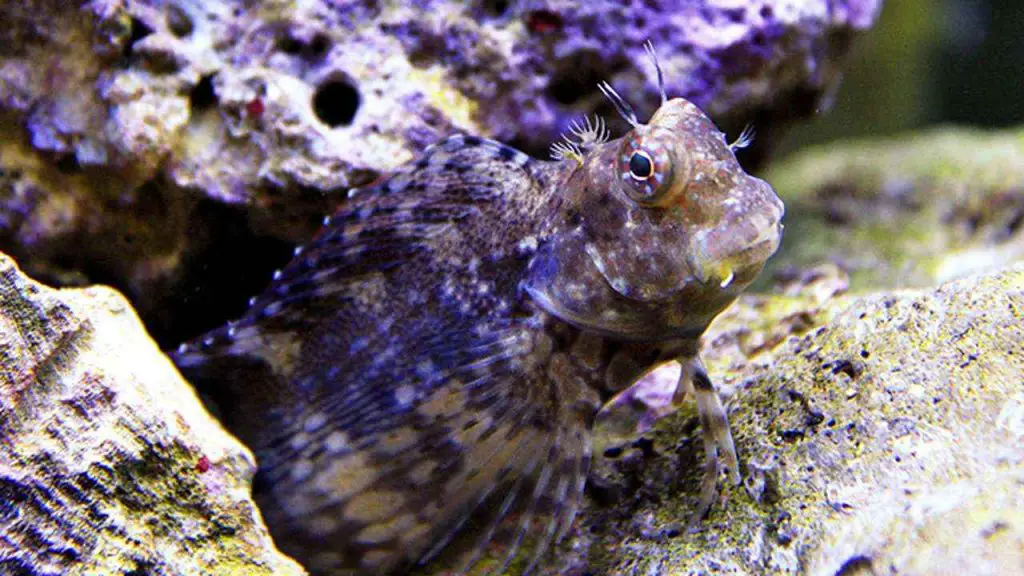
In a reef tank, not every fish labeled “algae eater” will touch green hair algae.
Some graze constantly. Some ignore it.
Here are the reef fish that actually make a difference.
2.1 Tangs: Effective Algae Grazers
Tangs are some of the most reliable algae eaters in saltwater environments.
Many species are natural herbivorous fish. They spend most of the day picking at benthic algae growing on rock.
Yellow tangs, kole tangs, and other grazing species will often eat green hair algae, especially when it’s short and newly forming.
A few things to remember:
- They need larger tanks with swimming space
- They prefer established reef systems
- They work best before algae becomes dense and long
They are maintenance fish, not miracle workers.
But in the right reef aquarium, they help keep algae in check.
2.2 Blennies: Versatile Algae Consumers
Certain blennies are underrated algae eaters.
Lawnmower blennies in particular are known for picking at hair algae on rock surfaces.
They’re smaller than tangs and better suited for mid-sized reef tanks.
That said:
- They may ignore very long strands
- They sometimes shift to prepared foods
- Individual behavior varies
Blennies are good supplemental grazers. Not heavy-duty cleanup.
In reef tanks with moderate algae growth, they can make steady progress.
Next, we’ll look at invertebrates that often outperform fish when it comes to stubborn hair algae.
3. Invertebrates that Eat Hair Algae
When fish aren’t enough, invertebrates often do the heavier lifting.
They move slower. But they graze constantly.
In many reef tanks, they’re the real cleanup crew.
3.1 Sea Hares: Natural Algae Sweepers
If you’re dealing with thick green hair algae, a sea hare can make a visible impact fast.
They’re not subtle grazers. They consume large amounts of algae and can clear patches quickly.
But they come with tradeoffs:
- They need a steady algae supply
- Once the algae is gone, they may starve
- They’re sensitive to poor water quality
Sea hares are more of a temporary solution during heavy outbreaks.
They’re powerful. Just not permanent.
3.2 Snails: Nutrient Cycle Contributors
Snails are steady workers.
Turbo snails, trochus snails, and even some nerite species will pick at hair algae, especially when it’s short.
They won’t demolish long strands overnight. But over time, they reduce buildup.
Snails also help by:
- Cleaning rock surfaces
- Breaking down film algae
- Supporting the nutrient cycle
They’re low maintenance. And they rarely cause trouble.
In most reef aquariums, they’re essential.
3.3 Crabs: Cleanup Crew Members
Hermit crabs can contribute, but results vary.
Some species pick at hair algae. Others focus more on leftover food and detritus.
They’re not primary algae eaters. Think of them as support staff.
Also, keep in mind:
- Larger hermits may disturb corals
- Some species can be opportunistic
Used carefully, they round out a cleanup crew. Just don’t rely on them alone.
Saltwater solutions are only half the picture. Freshwater tanks play by slightly different rules.
4. Algae Control in Freshwater Aquariums
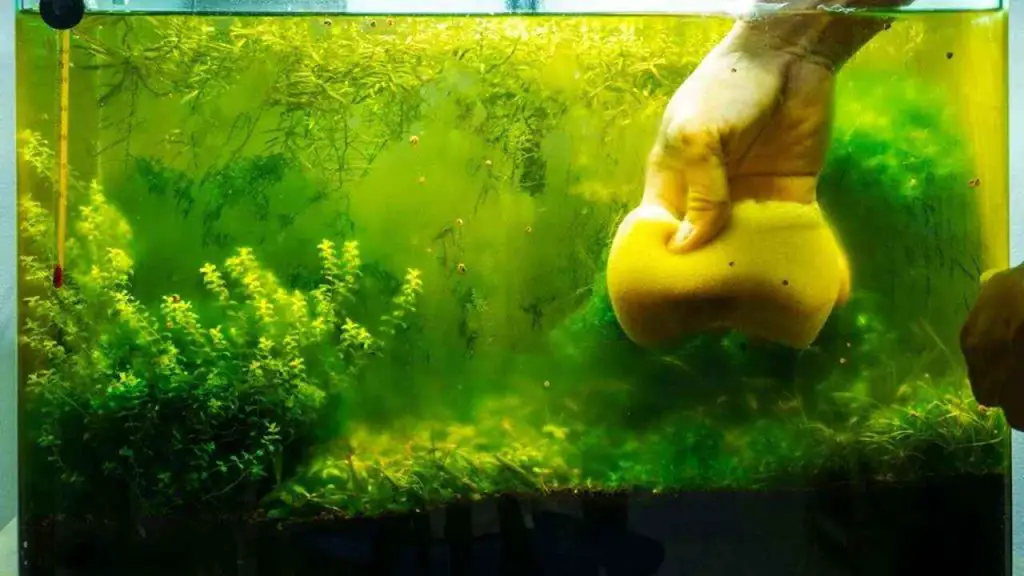
Freshwater tanks deal with green hair algae just as often.
The difference? Species options change.
Some freshwater algae eaters genuinely help. Others get credit they don’t deserve.
4.1 Amano Shrimp: Renowned Algae Cleaners
If one freshwater species consistently eats hair algae, it’s the Amano shrimp.
They graze constantly. Especially on shorter strands.
They work best when:
- The algae is still manageable
- The tank isn’t overfed
- Water changes are consistent
Amano shrimp won’t clear a jungle overnight. But in groups, they make steady progress.
They’re one of the most reliable algae eaters for planted tanks.
4.2 Nerite Snails: Persistent Algae Eaters
Nerite snails don’t stop moving.
They scrape surfaces all day. Glass, driftwood, rocks.
They prefer softer algae, but they will nibble at green hair algae, especially early growth.
A few things to know:
- They don’t reproduce in freshwater
- They stay focused on grazing
- They’re safe around most aquatic plants
They’re not aggressive cleaners. They’re consistent ones.
4.3 Bristlenose Plecostomus: Bottom-Dwelling Algae Consumers
Bristlenose plecos are better algae eaters than common plecostomus.
They stay smaller and spend a lot of time grazing along the bottom and hard surfaces.
Will they eat hair algae?
Sometimes. Especially when it’s short.
But like many fish, they may prefer prepared food if it’s available.
They’re helpful in larger planted tanks. Not ideal for small setups.
5. Addressing Underlying Issues
You can add every algae eater on the list.
If nutrients stay high, hair algae will come back.
This is the part most people skip.
5.1 Nutrient Management Strategies
Hair algae feeds on excess nitrate and phosphate.
If those are elevated, it grows. Simple as that.
Start here:
- Test nitrate and phosphate
- Increase water changes if needed
- Reduce overfeeding
- Clean trapped waste from the sand bed
- Check mechanical filtration
In reef tanks, tools like a phosphate reactor, chemical filter media, or an algae refugium can help stabilize levels.
In planted tanks, balance fertilizers carefully. Excess iron or dosing without plant uptake can trigger algae proliferation.
The goal isn’t zero nutrients.
It’s a balance.
5.2 Lighting Adjustments for Algae Control
Lighting is often the hidden cause.
Too long and intense. Too much white spectrum.
Try:
- Shortening the light cycle
- Reducing intensity slightly
- Avoiding sudden lighting increases
- Limiting direct sunlight on the aquarium
In planted tanks, match lighting to plant density. In reef tanks, avoid overdriving lights beyond coral needs.
Algae respond fast to excess light.
Sometimes faster than your plants.
5.3 Importance of Regular Maintenance
Routine maintenance prevents buildup.
That means:
- Consistent water changes
- Cleaning detritus from the bottom
- Rinsing mechanical filters
- Monitoring flow
- Using clean RO water
Small lapses add up.
Hair algae doesn’t appear overnight. It builds when maintenance slips or nutrients slowly creep upward.
Stay ahead of it, and most outbreaks never happen.
There are also a few direct intervention methods worth knowing when things get out of control.
6. Additional Algae Management Techniques
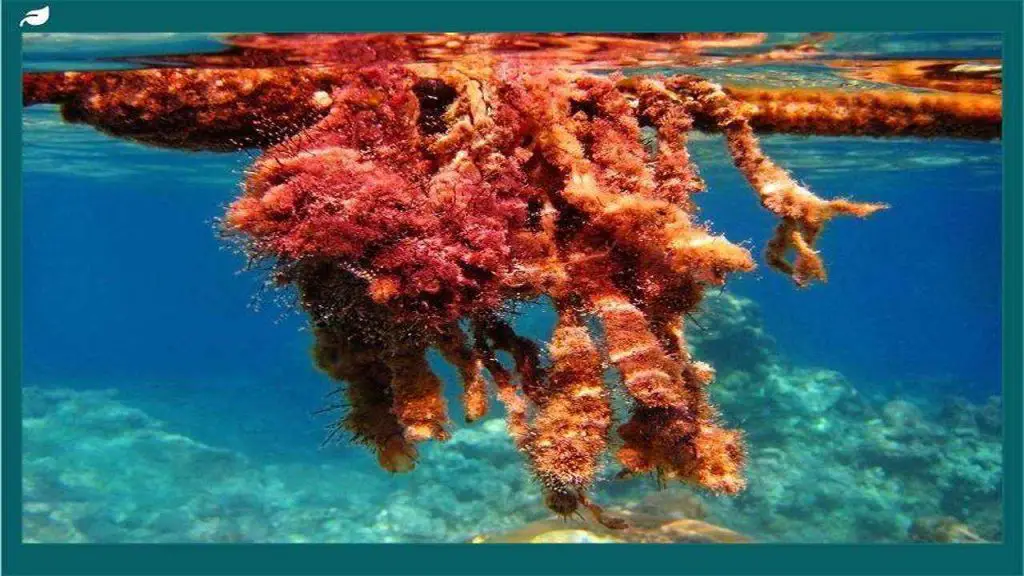
Sometimes algae eaters and nutrient control aren’t enough. When hair algae has already taken over, you need direct action.
This is where hands-on methods matter.
6.1 Manual Removal of Hair Algae
Manual removal sounds basic. It works.
Physically pulling green hair algae out reduces biomass immediately. That means less nutrients stored inside it and less spreading.
Here’s how most hobbyists handle it:
- Turn off pumps.
- Twist algae around a toothbrush or siphon hose.
- Pull gently.
- Siphon loose strands during a water change.
In reef tanks, you can use a small turkey baster to blow debris loose before siphoning. In planted tanks, trim infested leaves heavily instead of fighting them.
Manual removal doesn’t fix the root cause.
But it resets the tank, so other corrections can work faster.
6.2 Chemical Treatments: Pros and Cons
Chemical treatments get attention when frustration sets in.
Hydrogen peroxide spot treatments and certain algae-control products can weaken hair algae.
UV clarifiers may help with free-floating algae, though they won’t directly remove attached strands.
Here’s a simple breakdown:
| Method | Works On | Risk Level | Notes |
| Spot H2O2 dosing | Attached hair algae | Moderate | Must be careful near corals and shrimp |
| Liquid algae treatments | Various algae types | Moderate | Can stress-sensitive species |
| UV Clarifier | Free-floating algae | Low | Won’t fix attached green hair algae |
Chemicals can help during outbreaks.
But if nitrate and phosphate stay high, algae return.
That’s the pattern most aquarists see.
6.3 Balancing Aquarium Ecosystems
Long-term control is about balance.
Healthy aquatic ecosystems compete with algae naturally.
In planted tanks:
- Strong plant growth limits available nutrients.
- Proper substrate, like eco-complete or nutrient-rich base layers, supports roots.
- Balanced dosing of products like flourish or leafzone prevents deficiencies that stall plants.
In reef aquariums:
- An algae refugium or macroalgae reactor can export nutrients naturally.
- Stable oxygen levels and good flow prevent dead spots.
- A balanced food web, including copepods and microfauna, supports system stability.
Hair algae isn’t random.
It thrives when an imbalance gives it space.
Correct the imbalance, and it fades.
Ignore it, and it keeps coming back.
Up next, we’ll lock this down with prevention strategies so you don’t fight the same outbreak twice.
7. Prevention Strategies
Getting rid of hair algae is one thing.
Keeping it from coming back is where most aquariums succeed or fail.
7.1 Establishing a Routine Maintenance Schedule
Hair algae usually creeps in when maintenance slips.
Not dramatically. Gradually.
A simple schedule prevents that buildup.
Basic rhythm most stable tanks follow:
- Weekly or biweekly water changes
- Cleaning mechanical filtration
- Removing detritus from the sand bed
- Inspecting flow areas for dead spots
You don’t need to obsess over it.
You just need consistency.
Aquariums reward steady routines.
7.2 Monitoring and Balancing Water Quality
If you only test water after an outbreak, you’re already late.
Hair algae responds quickly to rising nitrate and phosphate.
Here’s a simple reference:
| Parameter | What to Watch |
| Nitrate | Avoid steady upward creep |
| Phosphate | Keep stable, not zero but controlled |
| Iron (planted tanks) | Dose carefully |
| Source Water | Use clean RO water if possible |
In planted tanks, too much fertilizer without enough plant growth creates an imbalance. In reef tanks, heavy feeding without export does the same.
Water quality doesn’t need to be perfect.
It needs to be stable.
7.3 Choosing the Right Algae-Eating Species for Your Tank
Algae eaters help prevent buildup. But only if they match your setup.
A bristlenose pleco doesn’t belong in a nano tank.
A tang doesn’t belong in a small reef aquarium.
A sea hare won’t survive long-term without steady algae.
Think long-term compatibility.
Consider:
- Tank size
- Existing livestock
- Saltwater vs freshwater environment
- Feeding habits
Choose species that naturally graze as part of their behavior, not ones you’re forcing into a role.
The best algae eater is the one that fits your system.
Hair algae control isn’t about one magic fix.
It’s about stacking small, consistent decisions in the right direction.
Conclusion and Best Practices
So, what eats hair algae?
Plenty of things will graze on it. Amano shrimp, nerite snails, bristlenose plecos, tangs, sea hares, and hermit crabs. The right algae eaters can help reduce green hair algae and keep it under control.
But here’s the part that matters.
Hair algae in an aquarium is usually a symptom. Rising nitrate. Creeping phosphate. Long light cycles. Missed water changes.
Algae eaters help.
Balanced water quality fixes it.
Control the nutrients. Adjust the lighting. Keep up with maintenance. Then add the right cleanup crew for your tank size and environment.
That’s how you stop fighting the same outbreak over and over.
FAQs: What Eats Hair Algae
There isn’t one single “best” eater of hair algae. It depends on the type of aquarium.
In freshwater tanks, Amano shrimp and Siamese algae eaters are among the most reliable grazers of green hair algae. Nerite snails and bristlenose plecos can help as well.
In reef tanks, tangs, sea hares, turbo snails, and some hermit crabs may graze on hair algae. Results vary by species and tank conditions.
The key is matching the algae eater to your tank size and setup.
The main cause of hair algae is excess nutrients, especially nitrate and phosphate.
Long lighting periods, inconsistent maintenance, overfeeding, and poor source water can all contribute.
In planted tanks, unbalanced fertilizer dosing can also trigger algae proliferation. In reef aquariums, heavy feeding without proper export often leads to outbreaks.
Hair algae grows where imbalance exists.
In freshwater aquariums: Siamese algae eaters, Bristlenose plecostomus, Florida Flag Fish, and some mollies.
In reef tanks: Tangs, some blennies
Amazon and the Amazon logo are trademarks of Amazon.com, Inc, or its affiliates