
Psoriasis is not just about flaky skin. The red patches, the burning itch, the way it flares up out of nowhere, can wear you down.
Sometimes, the creams and prescriptions help, but not always. So it’s no surprise that people start looking elsewhere. Lately, seaweed has been getting more attention. Some use it in baths, and others mix it into their food.
There’s a rise in seaweed-based skin care products packed with amino acids, Omega-3 fatty acids, and other compounds that might help calm inflamed skin.
In this article, we’ll examine what seaweed does in the human body and on the skin, how it connects to autoimmune diseases, and where the science currently stands.
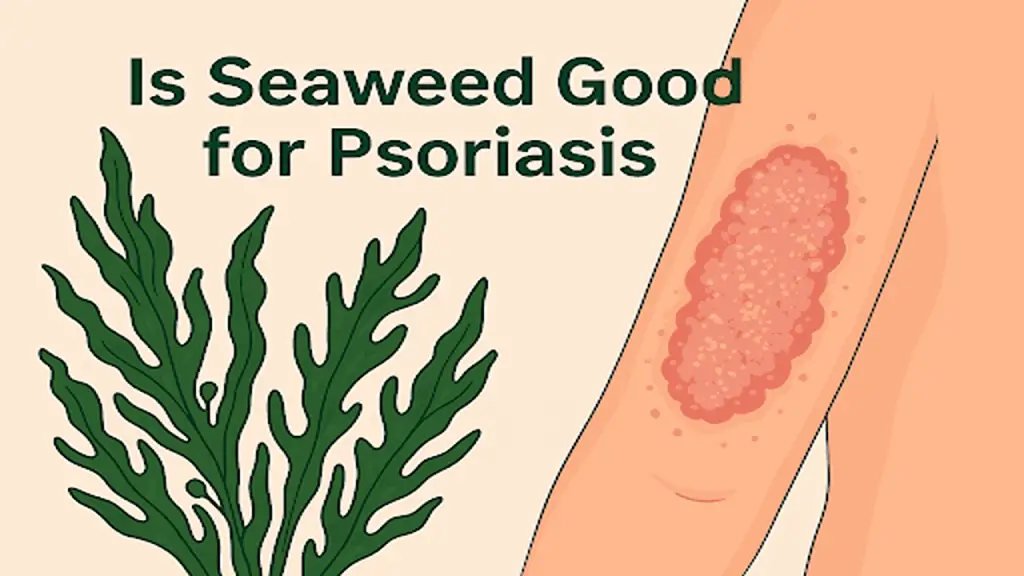
Understanding Psoriasis: Types and Causes
Psoriasis isn’t just a skin thing. Yes, it shows up there, often in rough, red spots or scaly patches, but it starts much deeper.
At its core, it’s an immune system mix-up. The body starts overproducing skin cells, and they pile up on the surface before the old ones can shed properly. That’s what leads to the buildup and inflammation.
People with autoimmune diseases are more likely to develop it, though genetics and environment play a role too.
A. Different Types of Psoriasis
Each type of psoriasis shows up differently, and some are more common than others. Here’s a quick overview:
| Type | What It Looks Like |
| Plaque | The most common kind, dry, raised patches of skin, often with thick scale |
| Guttate | Small, drop-shaped spots; usually after strep or other infections |
| Inverse Psoriasis | Smooth, shiny rashes in folds like the armpits or groin |
| Pustular Psoriasis | White blisters filled with pus usually appear on the hands or feet |
| Erythrodermic Psoriasis | Widespread redness and peeling can be serious and need urgent care |
B. Common Triggers and Risk Factors for Psoriasis Flare-Ups
Sometimes you can’t predict it. One day, your skin’s calm, the next, it flares. Still, there are known triggers that tend to bring it on:
- Cold, dry air
- Stress (this one’s big)
- Cuts, scrapes, or sunburns
- Certain meds, lithium, beta-blockers
- Exposure to hot water or strong soaps
- A diet that’s heavy on processed stuff and low on nutrients
There’s also a strong association between psoriasis and conditions like inflammatory bowel disease. They share some of the same immune pathways, which might explain why they often show up together.
Next, we’ll look at how seaweed fits into this picture, not as a cure, but as something that might help calm the storm on and under the skin.
Seaweed’s Therapeutic Properties for Skin Conditions
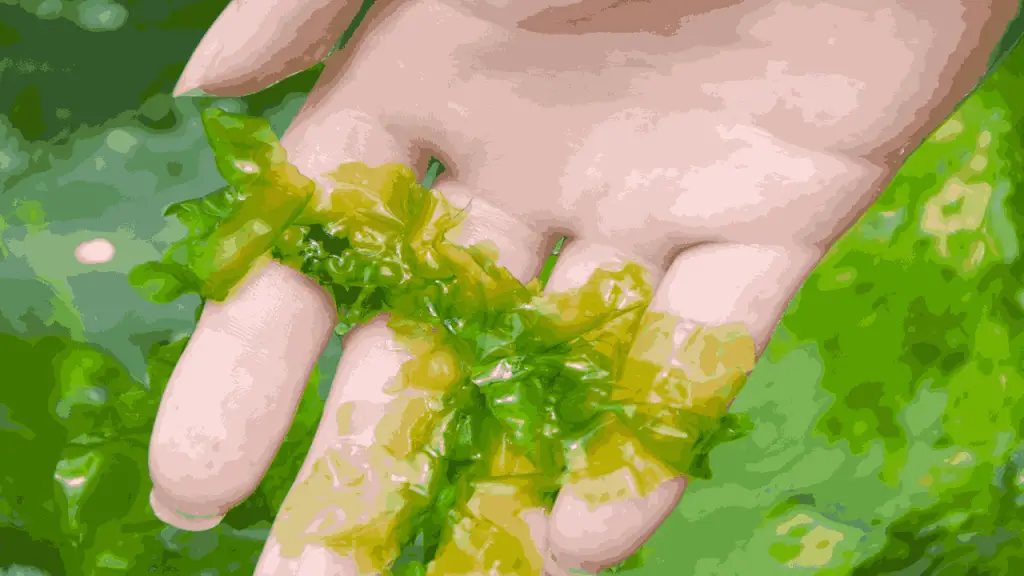
Seaweed is full of things your skin might benefit from, especially if you’re dealing with psoriatic symptoms or other inflammatory diseases.
A. Bioactive Compounds and Anti-inflammatory Agents in Seaweed
Seaweed contains a wide range of natural compounds that scientists are finally giving real attention to. Some of them are:
- Fucoidan: a polysaccharide that’s been shown to reduce oxidative stress and calm inflamed skin
- Phlorotannins: antioxidants found mostly in brown seaweed; they help neutralize skin-damaging free radicals
- Omega-3 fatty acids and amino acids: both support repair in damaged skin cells and help keep the skin barrier intact
These are why some people see positive effects when using seaweed topically or even including it in a diet rich in anti-inflammatory foods.
B. How Seaweed Helps Restore the Skin’s Protective Barrier
For someone with psoriasis, the skin is constantly trying to repair itself. That outermost layer gets damaged again and again. Seaweed, especially in topical form, may help reinforce that barrier.
Here’s how:
- It locks in moisture, preventing cracks and flaking
- It supports the skin’s microbiome, the good bacteria that protect your skin from irritation
- It may reduce the redness and scaling that come with active skin lesions
The goal is to give your skin comfort, relief, and a better chance to hold up under pressure.
C. Anti-Inflammatory Benefits Compared to Traditional Treatments
Traditional effective treatments like corticosteroids, coal tar, or biologics can be powerful, but they’re not for everyone. They also come with harmful effects and don’t always address the root issue.
Seaweed doesn’t act as fast or as strongly, but its anti-inflammatory effects are gentler. For some people, that’s exactly what’s needed.
Especially when skin is already raw or reactive, a natural remedy that soothes without stripping might be the better call.
Like psoriasis, seaweed has different types, too. Let’s look at specific types of seaweed that have shown benefits for people with psoriasis, and how they differ.
Types of Seaweed with Benefits for Psoriasis
Some types of seaweed are richer in certain minerals, while others have more anti-inflammatory effects or skin-supporting compounds.
If you’re considering using seaweed to help manage psoriasis symptoms, here are the varieties worth knowing about.
A. Brown Seaweed Varieties
These are rich in fucoidan, a compound known for helping with inflammation and oxidative damage, two things that often make skin lesions worse.
- Fucus serratus (Toothed Wrack): Often used in seaweed baths. Contains high levels of antioxidants and helps soothe damaged skin cells.
- Alaria esculenta (Winged Kelp): Rich in Omega-3 family, amino acids, and minerals. It’s commonly found in seaweed-based skincare products. Gentle enough for inflamed or sensitive skin.
Brown seaweeds are often used in balms, wraps, and bath soaks, they help reduce redness and restore moisture.
B. Red and Green Seaweed Options
Red and green varieties have their own perks, especially when calming irritated skin.
- Palmaria palmata (Dulse): A red seaweed known for its high mineral content and gentle detoxifying properties. It can be used topically or in a diet rich in natural antioxidants.
- Ulva lactuca (Sea Lettuce): A green seaweed with amino acids and vitamins that support healthy skin turnover. Useful for restoring balance in patches of skin affected by severe psoriasis.
These are often used in balanced diets and can be included in broths, smoothies, or sprinkled on salads for an internal skin boost.
C. Other Beneficial Varieties
- Bladderwrack: Common in both dietary supplements and skincare. Known for its immunostimulatory effects, which may support the body in calming autoimmune responses.
- Irish Moss (Chondrus crispus): Often used in soothing gels and lotions. Its jelly-like consistency makes it great for irritated skin and barrier repair. Some people also add it to smoothies or teas.
Each variety offers different things like deep hydration, mineral support, or gentle inflammation control.
Next, we’ll look at how to use these, from seaweed baths to diet for patients, and how they might fit into a real-world psoriasis care routine.
Practical Applications of Seaweed for Psoriasis Management
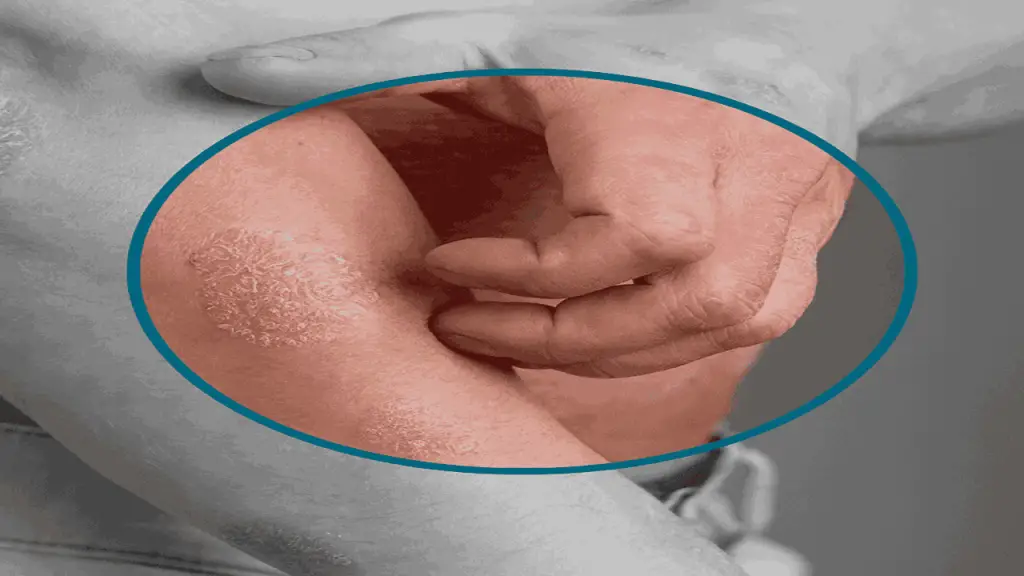
Seaweed can be worked into a psoriasis care routine in a few ways: through baths, creams, and even meals.
Each offers something different, depending on your skin (and body) needs.
A. Traditional Seaweed Baths and Their Therapeutic Effects
Soaking in warm water with seaweed has been around for generations, especially in coastal parts of Europe.
Today, people with psoriasis symptoms turn to these baths to calm inflamed skin, reduce flares, and get a break from the itch.
Here’s what makes them worth trying:
- The natural oils in seaweed release into the water, softening patches of skin
- Baths help reduce tightness, scaling, and that dry, stretched feeling
- Amino acids and minerals may be absorbed into the skin, giving it a chance to heal
If you’re curious about trying one at home, the VOYA Lazy Days Detoxifying Seaweed Bath is a great starting point. It uses hand-harvested Atlantic seaweed, known for its soothing and moisturizing properties.
Pro tip: Keep the water warm, not hot. Heat can make irritated skin worse.B. Topical Seaweed Products for Skin Treatment
For day-to-day relief, seaweed-based skin care products like lotions and salves can make a big difference.
Most use brown seaweed extracts packed with fucoidan and other anti-inflammatory agents, which means less redness, and hopefully, fewer flare-ups.
You might notice:
- Relief in rough, cracked areas
- Less redness around skin lesions
- Smoother texture and gradual repair of damaged skin cells
Here are a few worth checking out:
- The Seaweed Bath Co. Hydrating Body Cream – fragrance-free and packed with nourishing ingredients. Great for sensitive or easily irritated skin.
- Bianca Rosa Dulse Seaweed Salve Ointment – uses Dulse, a red seaweed known for its skin-soothing qualities. A good choice for targeting stubborn spots.
- The Seaweed Bath Co. Detox Facial Bar – gentle enough for facial psoriasis, especially if you need something non-drying.
Before using any new topical treatment product, especially on broken or sensitive areas, it’s always smart to do a patch test and avoid anything with strong fragrances or harsh preservatives.
C. Dietary Incorporation of Seaweed for Skin Health
Seaweed doesn’t just work on the outside. When eaten as part of a balanced diet, it can support the entire body’s response to inflammation from the inside out.
Some people add dried seaweed to soups or smoothies, while others try dietary supplements like powdered dulse or capsules with Omega-3 acids.
When used consistently, it may:
- Lower internal inflammation levels
- Help skin stay more resilient over time
- Support gut health, which is increasingly linked to autoimmune diseases
That said, seaweed isn’t a quick fix. It’s something you build into a lifestyle, not just apply when things get bad.
Let’s see what science says and how seaweed therapy fits alongside conventional treatment plans for patients with psoriasis.
Research and Effectiveness of Seaweed Treatments
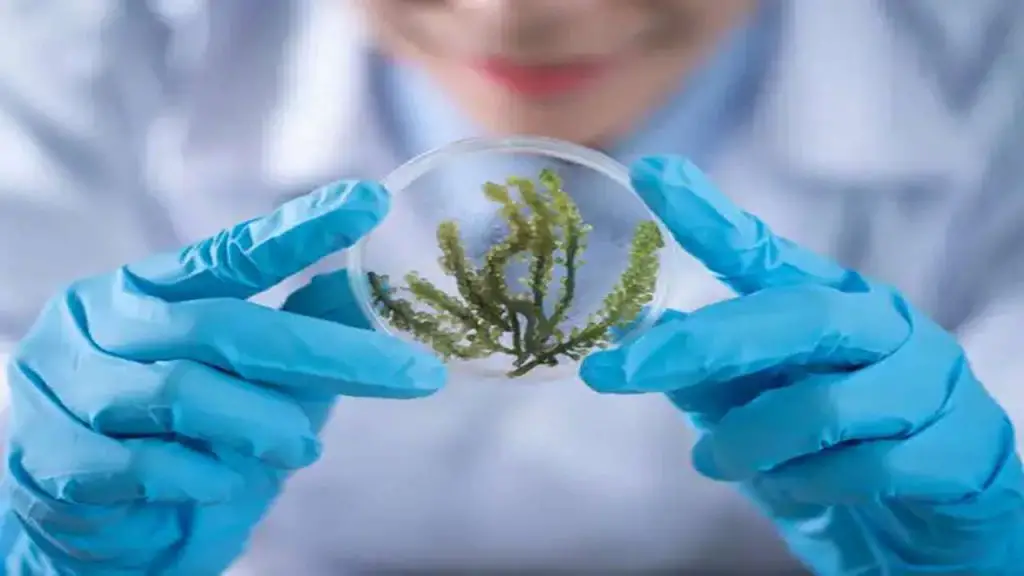
There has been a lot of research on seaweed, but not much on the specific relationship between psoriasis and seaweed. Here’s what we know til now:
A. Scientific Studies Supporting Seaweed’s Benefits
Emerging research indicates that certain compounds in seaweed, particularly fucoidan, may offer therapeutic benefits for psoriasis.
- Fucoidan and Immune Modulation: A study published in PubMed Central demonstrated that dietary fucoidan alleviated symptoms of psoriasis in mice by altering gut microbiota and enhancing IgA and mucin production, suggesting potential immunomodulatory effects.
- SXRG84 Seaweed Extract: A randomized, double-blind, placebo-controlled trial investigated the effects of SXRG84, a seaweed-derived extract, on individuals with inflammatory skin conditions. The study found that participants who ingested SXRG84 experienced improvements in skin health, indicating its potential as a dietary supplement for treatment of psoriasis.
B. Combining Seaweed Therapy With Conventional Treatments
Integrating seaweed-based therapies with standard psoriasis treatments may enhance overall efficacy.
- Topical Applications: Seaweed-based creams and ointments, rich in anti-inflammatory compounds, can complement topical corticosteroids by soothing irritated skin and reducing redness.
- Dietary Supplements: Incorporating seaweed into the diet, either through whole food sources or supplements, may support systemic inflammation control, potentially enhancing the effects of systemic medications.
C. Considerations Before Adding Seaweed to Your Psoriasis Management Plan
Before integrating seaweed into your psoriasis treatment regimen, consider the following:
- Allergies and Sensitivities: Ensure you are not allergic to seaweed or iodine, as reactions can exacerbate skin conditions.
- Product Quality: Choose high-quality, reputable seaweed products to avoid contaminants that could irritate the skin.
- Consult Healthcare Providers: Discuss with your dermatologist or healthcare provider before starting any new treatment to ensure it aligns with your overall management plan.
While seaweed shows promise as a complementary approach to managing psoriasis, it’s essential to approach its use thoughtfully and in conjunction with healthcare professional advice.
Conclusion
Seaweed shows promise as a supportive, natural remedy. Whether through calming seaweed baths, topical products, or a diet rich in anti-inflammatory nutrients, many people find it helps ease psoriasis symptoms like irritated skin, dryness, and redness.
Research suggests compounds in seaweed may help reduce oxidative stress and support healthy skin cells.
That said, it’s not for everyone. Be mindful of allergies, product quality, and potential interactions. And as always, speak with your healthcare provider before changing your psoriasis care routine.