
As an Amazon Associate I earn from qualifying purchases.
If you’ve noticed a rusty film on your tank glass, aquatic plants, or substrate, chances are you’re dealing with brown algae, also known as brown diatoms.
It’s one of the most common issues new and experienced fish tank owners face, especially during early tank setup or when water parameters are out of balance.
While not usually harmful to fish, brown algae can cover tank decorations, cloud your view, and signal underlying water quality issues.
The good news is that it’s manageable and often preventable with the right mix of regular tank maintenance, smart filtration, and a few well-chosen algae eaters, such as nerite snails or otocinclus catfish.
In this guide, we’ll cover what causes brown algae, how to remove it safely, and how to keep it from coming back, whether you have a freshwater, saltwater, or even a reef aquarium.
Understanding Brown Algae
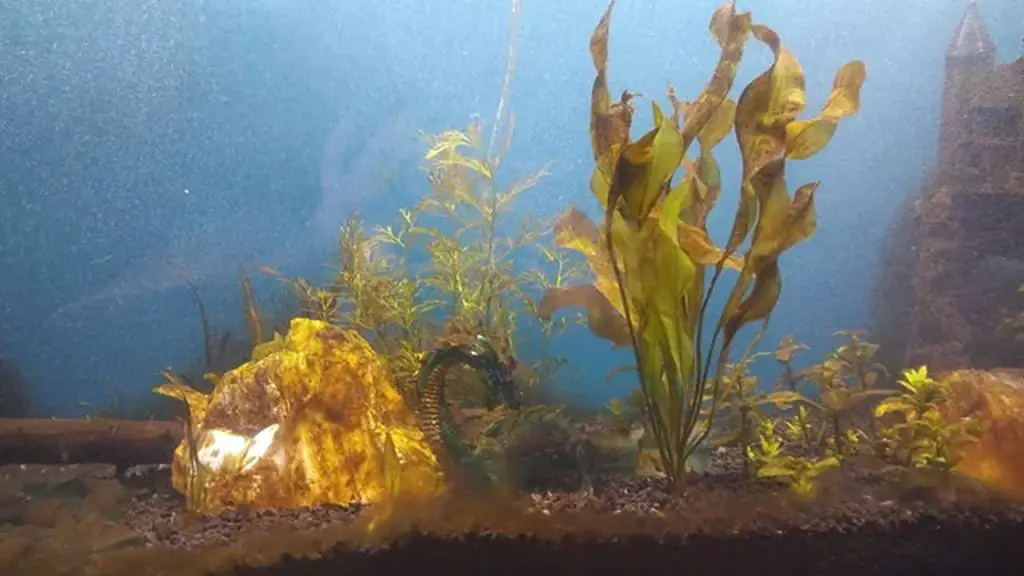
While brown algae are not true algae in the traditional sense, they behave similarly and are common in freshwater and saltwater aquariums.
A. What are Brown Algae?
Brown algae are tiny organisms that thrive in nutrient-rich regular water, especially with high silicate levels and inconsistent light exposure.
These diatoms feed on silicic acid and extra nutrients, forming that telltale brown coating along the tank surfaces.
They tend to appear when conditions are right for rapid colonization:
- Soft or silica sand substrates
- Tap water with excess silicates
- New or immature tanks without established bacteria
- Poor lighting or weak water flow
Fortunately, brown diatoms are usually temporary, especially with consistent regular maintenance.
B. Common Causes of Brown Algae Growth
Brown algae blooms are typically triggered by factors that make your tank more inviting to diatoms.
The most common include:
- Using untreated tap water, especially in areas with high silicate content
- Elevated phosphate levels or lingering uneaten food
- Weak filtration or inadequate water column movement
- Poor or inconsistent light exposure (too much or too little)
- Nutrient imbalance in newly cycled tanks (e.g., excess nutrients, low plant growth)
These blooms are often a common occurrence in new setups and can go away on their own, but if they don’t, there are ways to speed up the process and prevent brown algae outbreaks in the future.
Next, we’ll discuss how to assess your tank’s current conditions to identify what might be causing the problem.
Assessing Tank Conditions
Before you can fix a brown algae outbreak, it helps to know what’s happening inside your tank.
Often, a quick look at your water parameters or lighting setup can reveal exactly what’s fueling the growth.
A. Analyzing Water Parameters
Start by testing the water for key values. Diatoms thrive when silicate and phosphate levels are high, because of tap water, poor filtration, or overfeeding.
Here’s what to check:
- Silicates – High levels can come from silica sand or untreated tap water
- Phosphates – These spike due to leftover food, waste, or weak filtration
- Nitrates – Moderate levels are normal, but high levels feed algae growth
- pH and hardness – Wild swings can stress beneficial bacteria and allow algae to thrive
Tip: If your local water company has a published report, it may tell you if your tap contains silicic acid, a key food source for diatoms.
B. Identifying Lighting Issues
Light exposure plays a big role in how fast brown algae appear and spread. Too little makes diatoms outcompete other organisms. Too much light risks a mix of algae types, not just brown.
Watch for these lighting mistakes:
- Keeping lights on more than 10–12 hours a day
- Using intense or bright light in a low-nutrient tank
- Skipping acclimation when switching to new bulbs or LEDs
- Not adjusting for the tank’s depth (deeper tanks need more focused lighting)
Now that we know what brown algae are and how to asses the situation, let’s learn how to prevent it from coming in your fish tank.
Preventive Measures

Keeping brown algae away is easier than constantly cleaning it off. You can prevent diatoms from taking hold, even in newer or sensitive aquarium setups.
A. Controlling Silicate Levels
Silicates are a major fuel source for brown diatoms. They often enter the tank through tap water, certain substrates, or cheap salt mixes (in marine setups).
To limit excess silicates:
- Switch to reverse osmosis water or RO/DI for top-offs and water changes
- Avoid silica sand if starting a new tank
- Use silicate-removing media in your filter (like PhosGuard or Rowaphos)
- Check your salt mix if you’re maintaining a reef tank
Reducing silicates cuts off one of the diatoms’ favorite food sources.
B. Adjusting Feeding Habits
Overfeeding is one of the most common triggers for brown algae outbreaks, especially in tanks with slow eaters or messy fish.
Tips to improve feeding:
- Feed only what your fish can eat in 1–2 minutes
- Remove any uneaten food within 10 minutes
- Reduce feeding frequency during outbreaks (once a day or every other day)
- Rinse frozen food before use to remove extra nutrients
Less food = fewer excess nutrients in the water column = less fuel for algae.
C. Enhancing Water Flow
Weak or uneven water flow creates dead zones where brown algae love to settle. Improving circulation not only helps prevent diatoms but also boosts overall water quality.
Ways to improve flow:
- Add or adjust powerheads to reach all corners of the tank
- Direct flow toward the substrate to reduce buildup
- Use surface agitation to increase oxygen levels
- Make sure the flow isn’t blocked by decorations or plants
Good flow = cleaner surfaces and better nutrient distribution.
Next, we’ll look at how your choice of filtration and water source can either stop diatoms or keep them coming back.
Using Filtration and Water Treatments
Many fish tank owners overlook their water source or filtration routine when battling recurring brown diatoms, but both make a big difference.
A. Leveraging Reverse Osmosis/Deionized (RO/DI) Water
Depending on your area, tap water can contain trace amounts of silicates, phosphates, and other minerals that fuel diatom growth.
Even if the water looks clean, those extra nutrients can throw off your water chemistry over time.
Using reverse osmosis water, or even better, a full RO/DI system, gives you more control. It strips out impurities and gives you a clean slate every time you do a water change.
This matters especially in a reef tank, where stability is everything.
If buying a system feels like a big step, many local fish stores sell RO water by the gallon, which is a good way to test the impact before committing.
B. Maintaining Efficient Filtration Systems
A running but not maintained filter can become a nutrient source, collecting debris, trapping uneaten food, and slowly leaching it back into the tank water.
Cleaning filter pads and media regularly helps, but don’t stop there.
If your flow seems sluggish, it could be time to rinse out the impeller or clear out buildup in the tubing.
The goal is water movement, oxygenation, and consistent nutrient export.
Also, be careful not to overload your filter with every type of media at once. More isn’t always better.
Overpacking the system can reduce flow and limit its effectiveness, especially in smaller tanks where every bit of circulation counts.
Good filtration and clean water go hand in hand. Now let’s look at natural, biological ways to handle brown algae, from helpful snails to strategic plant choices.
Biological Control Methods
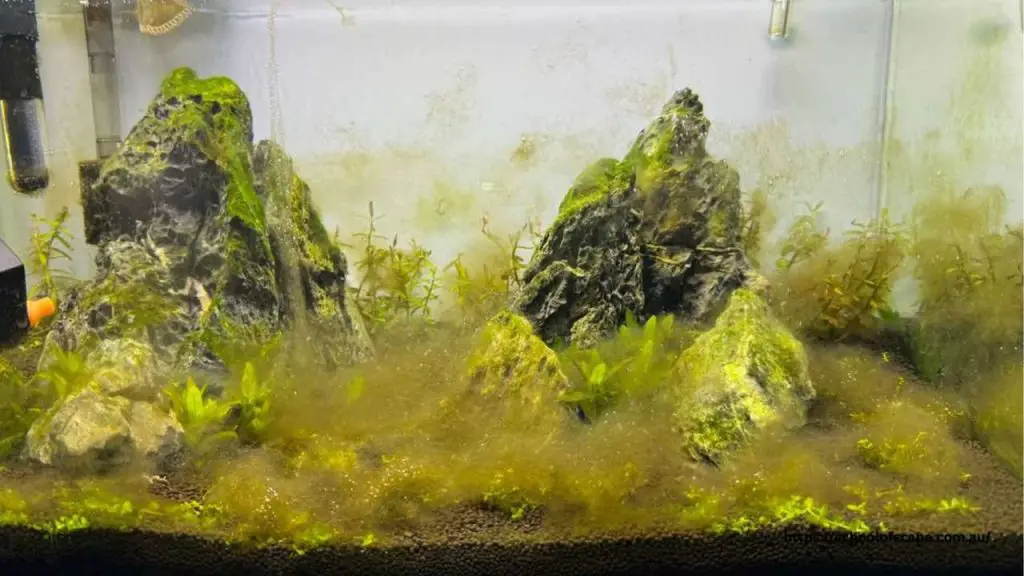
Whether adding algae-eating tank mates or growing more aquatic plants, biological methods can help keep brown algae in check without relying on chemicals.
A. Introducing Algae-Eating Species
Several fish and invertebrates are known for controlling brown algae outbreaks.
These algae grazers don’t solve the root cause, but they can keep surfaces cleaner and reduce visible growth.
Here are some of the most reliable algae-eating species for freshwater and reef tanks:
| Species | Benefits |
| Nerite Snails | Excellent glass and surface cleaners; do not breed in freshwater; reef safe |
| Otocinclus Catfish | Peaceful bottom-dwellers that target soft algae; ideal for planted tanks |
| Ramshorn Snails | Eat soft algae and help consume uneaten food; reproduce moderately |
| Amano Shrimp | Active scavengers; control algae and detritus in freshwater aquariums |
| Mexican Turbo Snails | Effective for marine algae including diatoms in reef aquariums |
Ensure matching algae eaters to your tank’s size, water parameters, and current inhabitants to avoid compatibility issues.
B. Benefits of Live Plants in Aquariums
Live plants don’t just look good; they play a vital role in nutrient balance and can outcompete diatoms for resources. Healthy plant growth means fewer opportunities for algae to thrive.
Why plants help prevent brown algae:
- They absorb excess nutrients (especially nitrates and phosphates)
- Improve oxygen levels and stabilize water parameters
- Shade certain areas of the tank, reducing light exposure that triggers blooms
- Provide competition against algae growth in the water column
If you’re unsure where to start, try adding a few of these beginner-friendly, effective species:
- Hornwort – fast-growing, free-floating plant great for nitrate absorption
- Water Wisteria – excellent nutrient hog and highly adaptable to tank conditions
- Hygrophila polysperma – thrives in moderate light and helps reduce algae naturally
- Anubias and Java Fern – slower growers but great for lower-light tanks or shaded spots
In freshwater systems, especially, plants offer an easy and beautiful way to support a balanced, algae-resistant environment.
Up next, we’ll cover the best practices for tank cleaning, monitoring, and ongoing prevention.
Regular Maintenance Practices
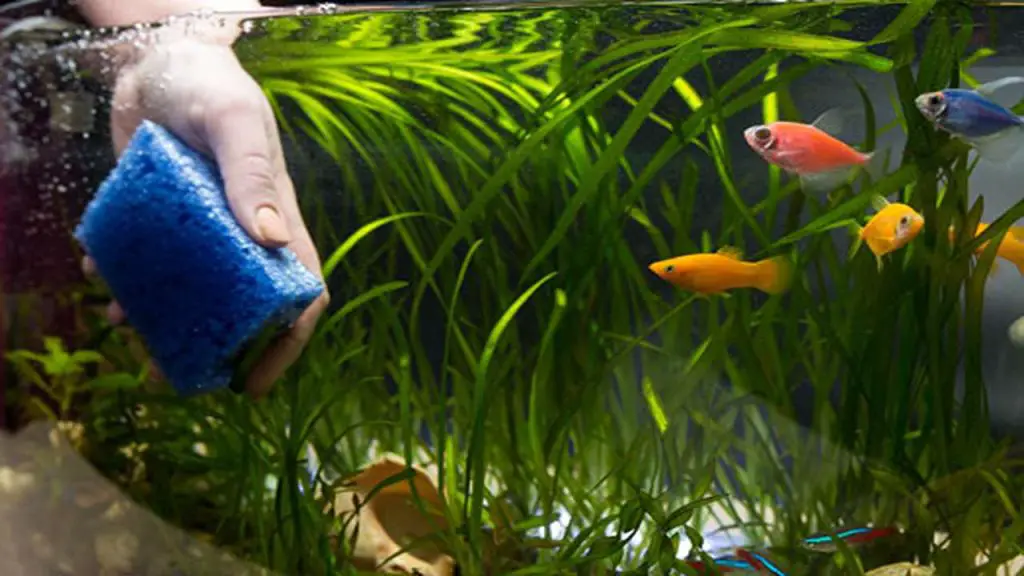
In the aquarium hobby, consistency is key. Staying on top of your tank maintenance helps prevent new brown algae outbreaks, supports healthy fish, and keeps the tank looking its best.
A. Monitoring and Adjusting Water Quality
Keeping an eye on your water parameters is one of the easiest ways to stop algae growth before it starts.
| Parameter | Ideal Range (Freshwater) | Why It Matters |
| Nitrate | 5–20 ppm | Too high = excess nutrients for algae |
| Phosphate | < 0.5 ppm | High phosphate feeds diatoms and other types of algae |
| Silicates | As close to 0 as possible | Main food source for brown algae |
| pH | 6.5–7.5 (varies by tank type) | Stable pH = less stress for fish and beneficial bacteria |
| KH/GH (hardness) | Moderate and stable | Helps buffer pH and support biological filtration |
If your test kit doesn’t include silicates, request a report from your water company or use RO/DI water to eliminate the guesswork.
B. Cleaning and Scrubbing Techniques
Manual cleaning goes a long way in reducing algae buildup. If you’re dealing with persistent diatoms, removing them physically is just as important as adjusting nutrients.
Here’s what a solid cleaning routine can look like:
- Wipe down the tank glass weekly with an algae scraper or magnetic cleaner
- Vacuum the substrate gently to remove detritus, especially in planted tanks
- Clean filter intakes and outflows to ensure strong water flow
- Rinse decorations and artificial plants under tank water (not tap) during water changes
- Trim dying leaves from live plants to prevent decay and nutrient spikes
Stick to a consistent cleaning schedule, ideally every week or two, and you’ll prevent buildup while keeping your tank clear and healthy.
Next, we’ll learn what to do when brown algae just won’t go away, even after everything else has been tried.
Troubleshooting Persistent Algae Issues
If you’ve tried everything and it still keeps coming back, there might be a deeper imbalance in your tank setup or water chemistry that needs a second look.
A. Addressing Stubborn Growth
When diatoms return after every cleaning, it’s often a sign that something subtle is fueling them.
Here’s what to reassess:
- Substrate material: If you’re using silica-based sand, consider switching to inert gravel or planted tank substrates.
- Lighting timers: Too much light or inconsistent photoperiods can favor algae growth. Set a 6–8 hour schedule and stick to it for a few weeks.
- Water source: If you haven’t already, test or switch to reverse osmosis water. Diatoms often persist in tanks filled with silicate-heavy tap water.
- Flow and filtration: Uneven water flow can create microenvironments that trap nutrients; make sure your powerheads and filter outputs are positioned for even circulation.
Sometimes, it takes several small adjustments to tip the balance.
B. Consulting with Aquarium Experts
Local fish stores (especially those that focus on planted or reef aquariums) often have staff who’ve dealt with the same issues firsthand.
Online communities like Reef2Reef, UKAPS, or even Reddit’s r/Aquariums can also offer new ideas or help spot what you might have missed.
When asking for help, include:
- Your tank size, stocking, and age of the tank
- Recent water test results
- What type of lighting and substrate you’re using
- What you’ve already tried
Experienced hobbyists or aquarium experts may quickly notice a missing piece and save you from more trial and error.
Conclusion
Brown algae may be a common nuisance in both freshwater and saltwater aquariums, but it’s rarely a sign of failure.
With a few simple tweaks, like improving water quality, switching to reverse osmosis water, or adding the right algae eaters, most brown algae outbreaks can be brought under control.
Consistency is key. Stay on top of weekly water changes, monitor your tank parameters, and don’t underestimate the value of regular maintenance.
Over time, your tank will mature, stabilize, and become far less inviting to unwanted algae.
Amazon and the Amazon logo are trademarks of Amazon.com, Inc, or its affiliates