
As an Amazon Associate I earn from qualifying purchases.
There’s nothing worse than glancing into your pool and spotting that greenish dust gathering on the bottom. You brush it, you vacuum it, and somehow… It’s back.
That fine layer is often algae, not just regular dirt, and it tends to settle quietly at the bottom until it turns your whole pool cloudy or slippery.
This guide will go through real-world solutions for pool algae bloom removal, especially when it collects at the bottom and prevent future algae outbreaks.
Let’s start with what is at the bottom of your pool and why it keeps coming back.
Understanding Algae Dust in Swimming Pools
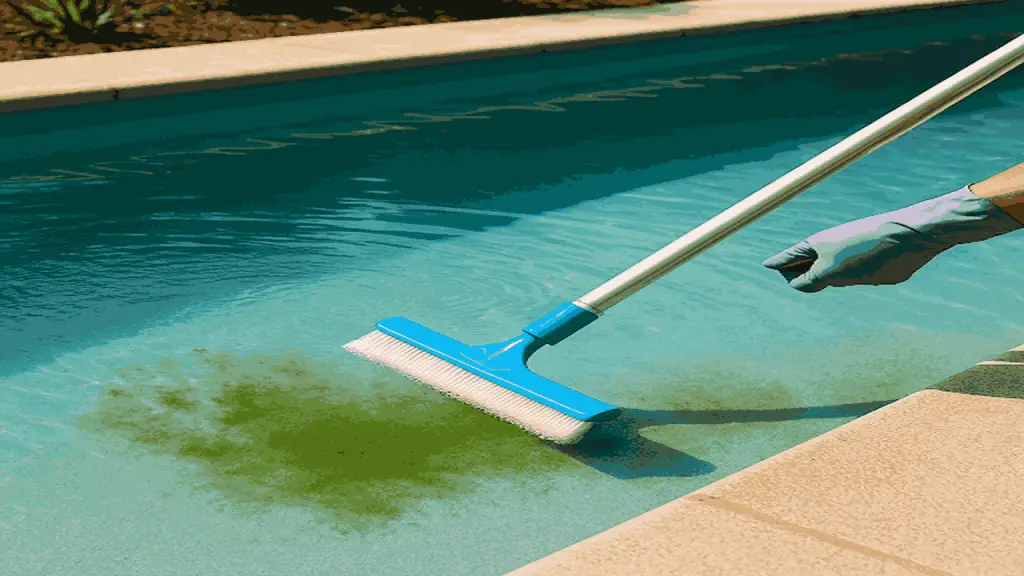
If your pool looks clean but has a dusty layer at the bottom that clouds up after brushing, you’ve got algae dust in it.
It seems harmless, but it means something’s off in your pool water balance.
A. Composition and Appearance of Algae Dust
Algae dust is made up of super-tiny particles of dying or dead algae. It usually settles on the pool floor, in corners, or anywhere water circulation is weak.
It’s often not full-blown green algae, but it’s the beginning of it if not dealt with.
You might notice:
- A light green or yellow algae film on the floor
- Cloudy water when the dust gets stirred up
- It comes right back after brushing or vacuuming
If you’re wondering how to clean the pool bottom and it keeps looking dirty hours later, you’re probably chasing algae dust.
B. Differences Between Algae Dust and Dirt
It’s easy to mistake algae for regular debris, but they behave differently.
| Feature | Algae Dust | Dirt/Debris |
| Appearance | Fine, green, or brown powder | Heavier, usually darker in color |
| Behavior when brushed | Clouds up and spreads | Tends to stay put or clump |
| Returns after removal | Often reappears if untreated | Usually stays gone once cleaned |
| Source | Algae bloom or poor water chemistry | Wind, rain, or nearby landscaping |
So if you’re constantly brushing and vacuuming but the dusty layer is still there, you’re not just dealing with algae dust in your pool.
C. Potential Health Concerns
A little sign of algae isn’t that serious, but it can quickly become a bigger problem. Besides making your pool look dirty, algae can make surfaces slippery, mess with your chemical levels, and create the perfect environment for bacteria to grow.
That’s why regular pool maintenance and quick pool algae removal are the best way to avoid a full-blown bloom.
So, how to remove it before it becomes a problem? Let’s learn in the next section!
Effective Methods for Removing Algae Dust
Algae dust is stubborn; it keeps coming after multiple cleanings, but there are a few ways to get it out.
A. Vacuuming with Filter Set to “Waste”
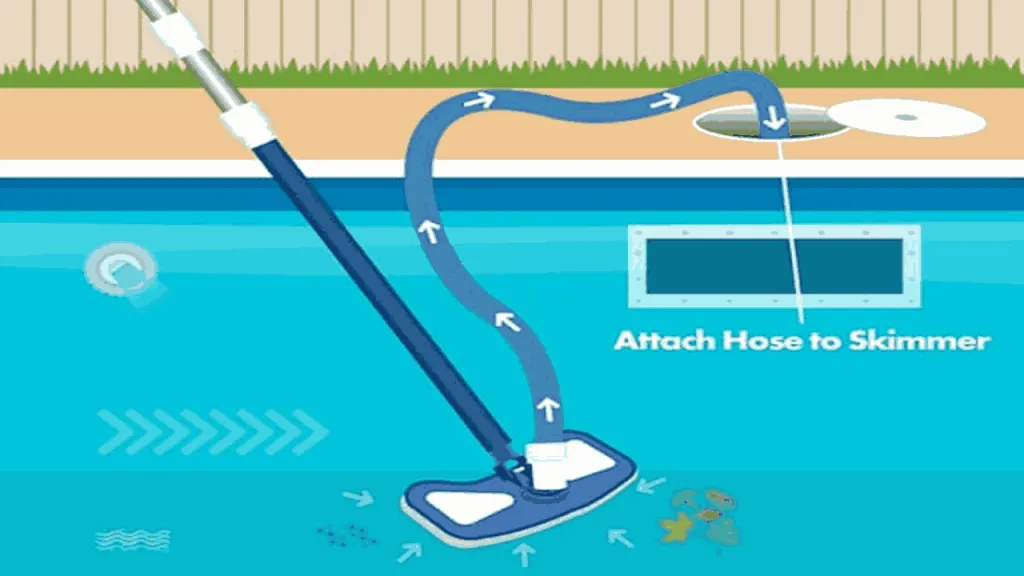
Probably the most effective method when algae have already settled at the bottom. The trick here is to bypass the filter entirely.
If you vacuum on the regular filter setting, a lot of that fine dust just passes through and ends up right back in the water.
Here’s what usually works:
- Set your pool filter to waste. This sends the dirty water out of the system instead of recycling it.
- Move the vacuum slowly, if you go too fast, you’ll stir the algae up before it gets sucked in.
- Expect to lose some water level, so be ready to top off the pool when you’re done.
This is one of the most straightforward ways for pool algae removal, especially when it’s on the floor.
B. Using a Pool Flocculant and Manual Removal
If the dust keeps floating around even after vacuuming, try a pool flocculant. It clumps the algae particles together so they’re easier to clean up.
Basic steps:
- Balance your pool chemistry ranges first (especially pH and chlorine level).
- Add the floc according to the bottle.
- Let the water sit still overnight.
- The algae will clump and drop to the bottom. Then vacuum it out using the waste setting.
This is a bit of a process, but it’s a solid move when brushing and vacuuming alone aren’t doing the trick.
C. Robotic and Automatic Pool Cleaners
These can be a lifesaver if you’re doing regular basis swimming pool cleaning, but most robotic vacuums can’t handle super fine algae dust.
They’re great for leaves, bugs, and regular dirt, but can’t fix a full-on algae issue.
That said, if you already own one:
- Make sure it has a fine and clean filter bag or cartridge
- Run it regularly to keep debris down and circulation up
- Use it after you’ve treated the algae, not as a replacement for it
It won’t fix the root cause, but it’s a great support tool for algae-free pool care once you’ve cleared out the mess.
The real secret of dealing with different form of algae is to stop them from showing up in the first place. Next, we’ll discuss the little habits that make a big difference when preventing algae growth.
Preventing Algae Growth in Pools
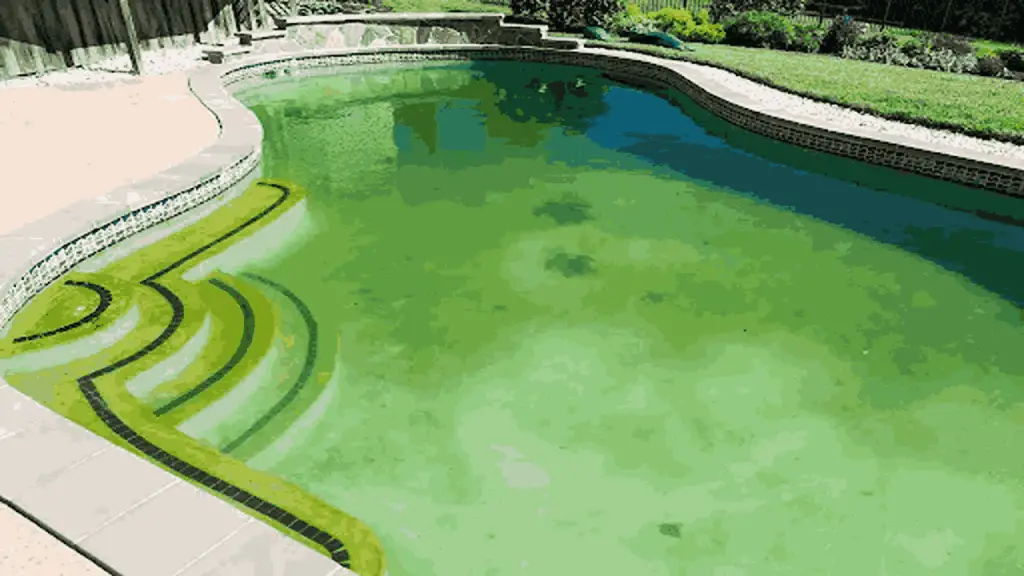
Getting algae out of your pool is easy; keeping it from reappearing is the real deal.
A few small habits go a long way toward maintaining crystal-clear pool, good water quality and getting rid of algae buildup in future.
A. Regular Monitoring of Water Chemistry
Regular testing lets you catch problems early, especially things like low chlorine levels or shifting pH levels that create the perfect environment for algae to thrive.
What to check at least once a week:
- Level of Chlorine: Should be between 1–4 ppm (higher after shocking)
- pH: Aim for 7.2–7.6
- Alkalinity: Keep it within 80–150 ppm
This simple habit is one of the most important pool maintenance tips for keeping water stable and algae-free.
B. Maintaining Proper pH and Normal Chlorine Levels
Chlorine kills algae buildup. But if your pH is off, chlorine becomes way less effective, even if your test strip says the levels are fine.
Here’s the deal:
- Low pH = acidic water = skin irritation + fast chlorine burn-off
- High pH = cloudy water + chlorine can’t do its job
Keep both in the sweet spot, and your pool algae treatment becomes more of a backup plan than a constant chore.
C. Importance of Filtration System Maintenance
Dirty filters or bad filtration contribute to slow and poor water circulation, and stagnant water allows algae to grow, especially in corners and dead zones.
Here’s a quick maintenance rhythm:
- Backwash sand or DE filters when pressure rises ~10 PSI over normal
- Clean cartridge filters monthly (or more often during heavy use)
- Inspect return jets to make sure water is moving everywhere evenly
Good circulation helps distribute pool chemicals better, keeps debris from settling, and plays a big role in algae-free pool care.
Keeping your water balanced and filters clean creates a clean & beautiful pool with low maintenance. But if you’re already dealing with stubborn algae presence, there are ways to tackle them in the next section
Tackling Different Type of Pool Algae
Some common types of algae put up way more of a fight than others. Knowing what you’re dealing with helps you choose the right tools, right treatment, and saves a ton of time.
A. Brushing Techniques for Various Pool Surfaces
One of the simplest ways to keep algae in pools under control is regular brushing, but the kind of brush you use depends on your pool’s surface. The wrong brush can be useless at best and damaging at worst.
Here’s a quick cheat sheet:
| Pool Surface | Recommended Brush Product Types | Why It Works |
| Plaster / Concrete Pools | Stainless steel bristles | Tough enough to break through algae on rough, porous surfaces |
| Vinyl | Soft nylon bristles | Gentle on delicate liners, won’t cause tears or abrasions |
| Fiberglass | Nylon or combo nylon/stainless | Soft enough to protect surface, strong enough to loosen clumps of algae |
| Painted Pools | Nylon bristles only | Won’t scratch or strip paint, safe for softer finishes |
| Tiled Pools | Nylon or wire-bristle (spot use only) | Nylon for regular use, wire for tough buildup in grout or corners |
| Pebble Tec / Aggregate | Combo bristle or stiff nylon | Reaches into texture without damaging the finish |
No matter the surface, aim to brush at least once a week. For active blooms or pool algae treatment, daily brushing, especially after shocking, can make a big difference.
B. Dealing with Resistant Black Algae
If you’ve got black algae, you’ll know. It shows up as dark spots or black spots that cling to rough surfaces and barely budge when brushed. It’s one of the toughest to treat.
Here’s what helps:
- Aggressively brush the spots to break the outer layer
- Shock the pool (double dose if needed)
- Apply a targeted pool algae treatment or algaecide
- Repeat brushing over a few days, it’s a process, not a one-and-done
Black algae have deep roots, so persistence matters more than power.
C. Applying DIY Algaecide Solutions
You don’t always need the priciest brand on the shelf. Some swimming pool owners swear by household hydrogen peroxide (in high enough concentrations) or copper-based treatments. Just be cautious and always double-check compatibility with your pool type.
If you’re looking to remove green algae from pool quickly, a solid dose of algaecide combined with brushing and filtering usually does the trick.
Different algae need different strategies, but they’re all beatable with the right approach. Let’s wrap things up with a few smart maintenance habits to help you stay ahead of the game.
Best Practices for Pool Maintenance
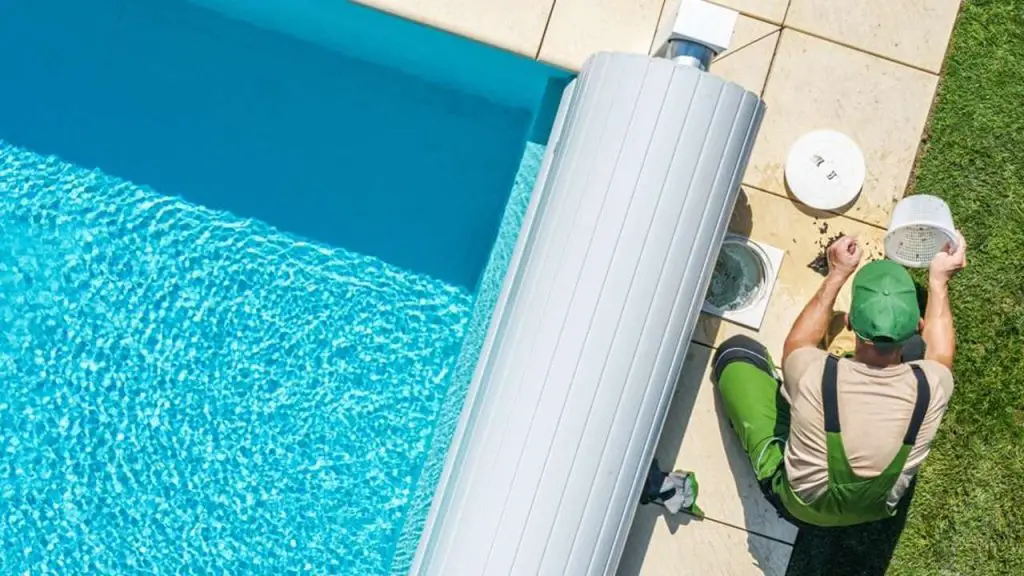
Once you’ve got algae out of your green pool water, the goal is to keep it from coming back. And that comes down to forming a solid regular maintenance routine.
A. Regular Pool Shocking Schedule
Even if your pool has good water clarity, invisible contaminants can build up fast, especially in the summer or after heavy pool use. Shock treatment helps break that cycle before algae gets a foothold.
A few quick tips:
- Shock weekly during hot months or after pool parties
- Use a chlorine shock with at least 65% available chlorine
- Shock at night for best results (sunlight eats up chlorine fast)
Regular shocking is one of the easiest ways to prevent algae growth and maintain a healthy, balanced pool environment.
B. Proper Use of Pool Vacuums and Flocculants
If you’ve already dealt with algae dust in your pool, you know that vacuuming can either fix it or just move the mess around. For best results:
- Set the filter to waste when vacuuming fine debris
- Use a flocculant when dust keeps clouding up
- Vacuum slowly to avoid stirring it back up
Also, filter cleaning is important after floccing. Floc grabs everything and dumps it at the bottom, but if you vacuum to filter instead of waste, you’ll recycle that gunk.
A pool vacuum and flocculant can handle everything from green dust to cloudy water, especially with regular cleaning and brushing.
C. Manual Removal Techniques without a Filtration System
Sometimes your filter isn’t available (or working), and you still need to get that gunk out. Here’s how to manage pool algae removal manually:
- Use a fine mesh leaf rake or skimmer net to scoop out clumps
- Brush everything into one area, then siphon with a hose
- Try a manual vacuum setup with a waste discharge (gravity-fed or sump-pool pump)
These low-tech range of options aren’t the fastest, but they get the job done when you’re in a pinch, and they’re especially handy for those maintaining above-ground pools or seasonal setups.
Conclusion
Dealing with algae at the bottom of your pool or pool walls can be frustrating, but it’s not unbeatable. With the right pool equipment, consistent care, and a little know-how, you can clear algae dust, keep it from reappearing, and enjoy a clean, sparkling pool all season long.
Stay on top of your water chemistry, brush regularly, and don’t wait for problems to worsen before jumping into action. A few small habits now can save you a lot of time (and chlorine) later.
Amazon and the Amazon logo are trademarks of Amazon.com, Inc, or its affiliates