
As an Amazon Associate I earn from qualifying purchases.
Seaweed for hair growth gets mentioned a lot now. Too much, honestly. It’s in shampoos, scalp oils, even supplements, and most of the time, no one explains what it’s actually supposed to do.
Seaweed isn’t going to regrow hair on its own. If hair follicles are gone, they’re gone. But the scalp is a different story.
Seaweed and algae extracts bring in minerals, amino acids, and nutrients that help with irritation, dryness, and overall scalp health.
When that side improves, hair usually behaves better. Less breakage. Less angry shedding. Growth feels more stable.
That’s what this guide focuses on. Where seaweed helps with hair growth, where it doesn’t, and how it fits into real hair care routines without overhyping it.

1. Nutritional Profile of Seaweed
Seaweed gets labelled as a superfood a lot, but for hair, it’s less about hype and more about basics.
1.1 Essential Vitamins and Minerals
Different types of seaweed contain a wide mix of minerals, which is one reason they show up so often in hair care.
Kelp, wakame, and nori are usually mentioned because they’re naturally dense in things the scalp needs to function properly.
Zinc shows up in many seaweed species and plays a role in the hair growth cycle. Calcium and magnesium support normal follicle activity.
Iron helps with oxygen delivery, which matters more than people realise when hair thinning starts.
Seaweed also contains iodine, which supports thyroid function, but this is one area where more isn’t always better, especially when it comes from diet.
You won’t get all your nutrients from seaweed alone, but when it’s used in hair care, it helps support the scalp instead of stripping it.
1.2 Antioxidant Properties
The scalp deals with a lot of stress, even if you don’t notice it. Sun exposure, pollution, harsh shampoos, and inflammation all add up over time.
Seaweed and algae extracts contain antioxidants that help take some of that pressure off.
They don’t change your genetics or override hormones, but they can calm the scalp, support better circulation around hair follicles, and reduce ongoing irritation.
When that background stress drops, hair usually behaves better. Less breakage, less random shedding, fewer flare-ups.
That’s where the antioxidant side of seaweed actually matters.
Before modern products existed, seaweed was already being used for hair and skin, which brings us to how it showed up in older beauty rituals.
2. Historical Use of Seaweed in Beauty Rituals
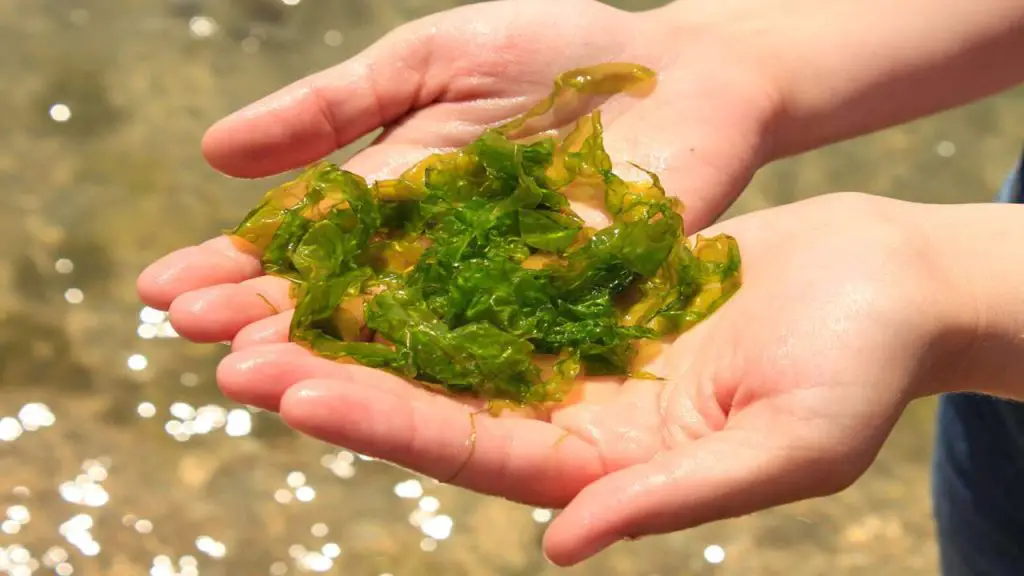
People living near the coast have been using seaweed for skin and hair for a very long time, mostly because it was available and seemed to work.
2.1 Ancient Applications Across Cultures
In coastal regions, seaweed and algae were often used in simple ways. Hair was rinsed with soaked kelp or sea plants after long days in the sun and salt air.
The focus wasn’t hair growth as we define it today, but keeping the scalp comfortable and the hair from drying out or breaking.
These practices showed up in parts of East Asia, Northern Europe, and island communities where marine plants were part of daily life.
2.2 Modern Revival in Hair Care
Seaweed made its way back into hair care once brands started moving away from harsh detergents.
As extraction methods improved, algae extracts like fucoidan and polysaccharides became easier to add to shampoos and scalp products.
Today, seaweed is mainly used to support scalp health, hydration, and overall hair condition. The goal hasn’t really changed. A calmer, healthier scalp usually leads to better-looking hair.
Now that the background is clear, it makes sense to look at what seaweed actually does for hair in practical terms.
3. Benefits of Seaweed for Hair
Most of the benefits of seaweed show up gradually. It doesn’t change hair overnight, but it can improve how hair behaves when the scalp and follicles are better supported.
3.1 Strengthening Hair from Root to Tip
Seaweed extracts are often used in hair care because they help improve hair texture and strength.
Minerals, amino acids, and polysaccharides support the hair shaft by reducing dryness and helping hair retain moisture.
When hair is better hydrated, it tends to feel smoother and break less easily.
This is why seaweed shows up so often in products aimed at frizz control and damaged hair, especially for people dealing with dryness or chemical stress.
3.2 Preventing Hair Loss
Seaweed doesn’t stop hair loss caused by genetics or hormones on its own. What it can do is support the scalp environment.
Inflammation, irritation, and poor scalp health can worsen shedding.
Seaweed and algae extracts have anti-inflammatory properties that help calm the scalp and reduce ongoing stress around hair follicles.
When the scalp is less irritated, hair shedding often feels more manageable and less sudden.
3.3 Promoting Hair Growth
Hair growth depends heavily on the condition of the scalp and follicles. Seaweed helps indirectly by supporting blood circulation, hydration, and nutrient availability at the follicle level.
This doesn’t mean new hair appears where follicles are inactive. Instead, seaweed helps existing follicles stay in a healthier growth cycle.
Over time, this can lead to stronger growth, less breakage, and more consistent hair density.
With the benefits clear, the next step is looking at which types of seaweed are most commonly used and what each one brings to hair care.
4. Seaweed Varieties and Their Specific Benefits
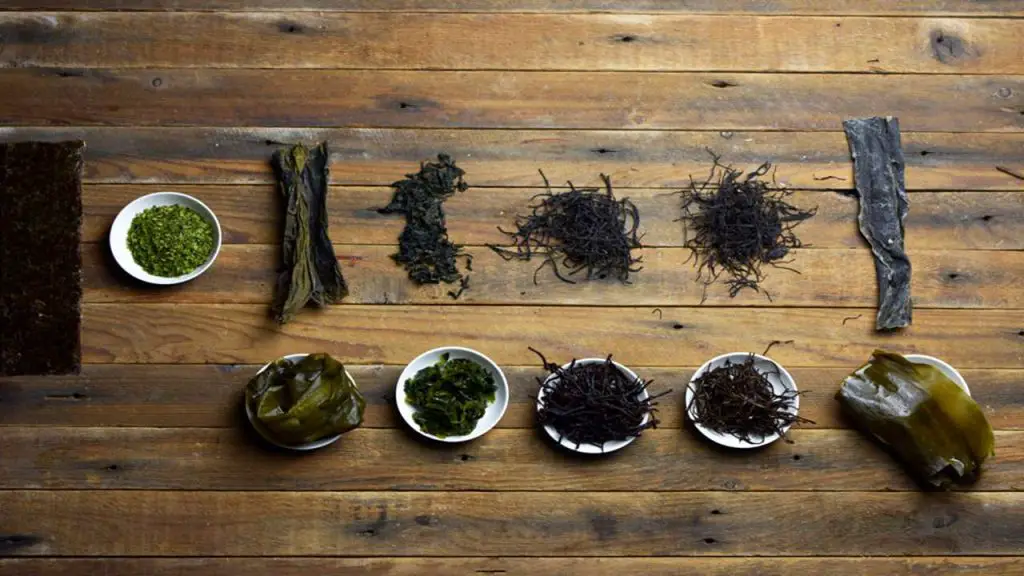
Not all seaweed works the same way in hair care. Different varieties bring different nutrients, which is why product labels often mention specific types instead of just “seaweed extract.”
4.1 Kelp
Kelp, especially species like Laminaria digitata and Laminaria saccharina, is known for its high mineral content.
It contains calcium, magnesium, iron, and iodine, which support scalp balance and normal follicle activity.
In hair care, kelp is mainly used to support scalp health and reduce dryness.
It’s often found in shampoos and scalp treatments designed for thinning hair or irritation, where mineral support can make a noticeable difference.
4.2 Nori
Nori is lighter and softer compared to kelp, and it tends to be rich in amino acids and proteins.
These nutrients support the hair shaft rather than the follicle itself.
Hair products that include nori often focus on improving texture, softness, and manageability.
It’s useful for brittle hair, frizz, and damage caused by heat or styling, especially when hair needs strength without heavy oils.
4.3 Wakame
Wakame contains fucoidan and other polysaccharides that help with hydration and inflammation control.
This makes it especially useful for scalp care.
In hair products, wakame is often included to soothe irritation and support a healthier scalp environment.
When the scalp stays calm and hydrated, hair growth tends to feel more stable and less prone to sudden shedding.
Knowing which seaweed does what makes it easier to choose products or treatments that actually fit your hair needs, which leads to how seaweed can be used in daily hair care routines.
5. Incorporating Seaweed into Hair Care Routines
Adding seaweed into your hair care routine can be as simple as swapping your shampoo or conditioner, or as hands-on as trying a DIY treatment.
Both approaches aim to support the scalp and hair from different angles.
5.1 Commercial Products
For most people, the simplest way to use seaweed for hair growth is through seaweed shampoos, conditioners, or scalp products that already contain seaweed or algae extracts.
These are easy to use and don’t require extra prep.
Some solid seaweed-based options available are:
- Bumble and bumble Seaweed Hydrating Shampoo: A sulfate-free shampoo that uses sugar kelp, sea kelp, and green microalgae. It’s designed to cleanse without stripping the scalp, making it a good option for dryness, irritation, or frequent washing.
- The Seaweed Bath Co. Balance Shampoo and Conditioner: This line uses bladderwrack seaweed along with aloe and vitamin B5. It’s often chosen by people dealing with oily roots, dry ends, or an unbalanced scalp.
- GROWUS Algae Therapy Mineral Shampoo: Formulated with a seaweed complex plus biotin and minerals. It’s marketed toward scalp care and hair thinning, focusing more on scalp comfort and strength than cosmetic shine.
- Lofoten Seaweed Hair Products: These products include seaweed extracts aimed at hydration and gentle cleansing. They’re usually chosen by people who want minimal formulas with a marine focus.
When using commercial products, consistency matters more than constantly switching. Seaweed works best when it’s part of a routine, not a one-off fix.
5.2 DIY Seaweed Hair Treatments
If you want something more homemade, seaweed can be mixed into simple treatments. For example:
- Seaweed gel rinse: Soak dried kelp or bladderwrack in warm water until it softens. Strain and use the liquid as a scalp rinse after shampooing.
- Seaweed mask: Blend soaked seaweed with a bit of aloe vera gel and a few drops of oil. Apply to the scalp and hair, leave on for 15–20 minutes, then rinse.
- Scalp tonic: Mix a small amount of powdered seaweed with water and massage gently into the scalp to help circulation.
DIY treatments let you control ingredients and concentration, but always patch test first and avoid getting large amounts in your eyes.
After learning how to use products and DIY approaches, it’s worth considering a few potential risks and factors before fully diving in.
6. Potential Risks and Considerations

Seaweed is generally gentle, but like any ingredient, it’s not perfect for everyone. A few basic considerations help avoid unnecessary issues.
6.1 Allergies and Sensitivities
Most people tolerate seaweed well, especially when it’s used topically in hair care products. That said, sensitive scalps can still react.
Things to keep in mind:
- Some seaweed extracts are mineral-rich and may feel irritating on broken or inflamed skin.
- People with very sensitive scalps or conditions like eczema or psoriasis should patch test first.
- DIY treatments carry a higher risk of irritation if the concentration is too strong.
If itching, redness, or burning shows up, it’s best to stop and switch to a gentler formula.
6.2 Sustainable Sourcing
Where seaweed comes from matters, poor harvesting practices can damage marine ecosystems and lead to inconsistent ingredient quality.
When choosing products, it helps to look for:
- Brands that mention sustainable or farmed seaweed.
- Transparent sourcing or harvesting information.
- Simple formulas that clearly list seaweed or algae extracts.
Sustainably sourced seaweed is not just better for the environment. It also tends to be cleaner and more consistent in hair care formulations.
Conclusion
Seaweed can be a useful addition to a hair care routine, mainly because it supports the scalp rather than forcing hair to grow.
Minerals, amino acids, and algae extracts help reduce irritation, improve hydration, and create better conditions for healthy hair follicles.
On its own, seaweed won’t reverse hair loss, but when used consistently, it can support stronger hair, less breakage, and a calmer scalp over time.
FAQ’s:
Seaweed helps indirectly. It supports scalp health, improves hydration, and reduces inflammation around hair follicles. These conditions make it easier for hair to grow normally, but seaweed does not create new follicles or override genetic hair loss.
The three most common factors are genetics, hormones, and scalp health. Genetics determines follicle sensitivity, hormones like DHT affect hair thinning, and scalp inflammation or poor circulation can worsen shedding. Hair care ingredients, including seaweed extracts, mainly help with scalp health.
Sea moss cannot reverse hair loss or regrow dormant follicles. It may support scalp hydration and provide minerals that improve hair quality, but it should not be seen as a treatment for advanced hair thinning or baldness.
Hair regrowth usually requires evidence-based treatments such as minoxidil, prescription therapies, or medical procedures, depending on the cause. Supportive care, including good scalp hygiene, gentle products, and nutrient-rich ingredients like seaweed, helps maintain existing hair and reduce further damage.
Amazon and the Amazon logo are trademarks of Amazon.com, Inc, or its affiliates