
As an Amazon Associate I earn from qualifying purchases.
Losing your hair can feel personal, especially when the cause isn’t clear.
For many dealing with alopecia, that uncertainty comes with questions, frustration, and the search for something that helps.
One remedy you might’ve come across is sea moss, also called Irish moss.
This sea vegetable is rich in nutrient values your body needs, and some believe it may help support scalp health and encourage stronger hair follicles.
But how much of that is fact, and how much is hype?
In this article, we’ll explore what sea moss does, what role it might play in managing hair loss, and how to use it safely as part of a well-rounded routine.
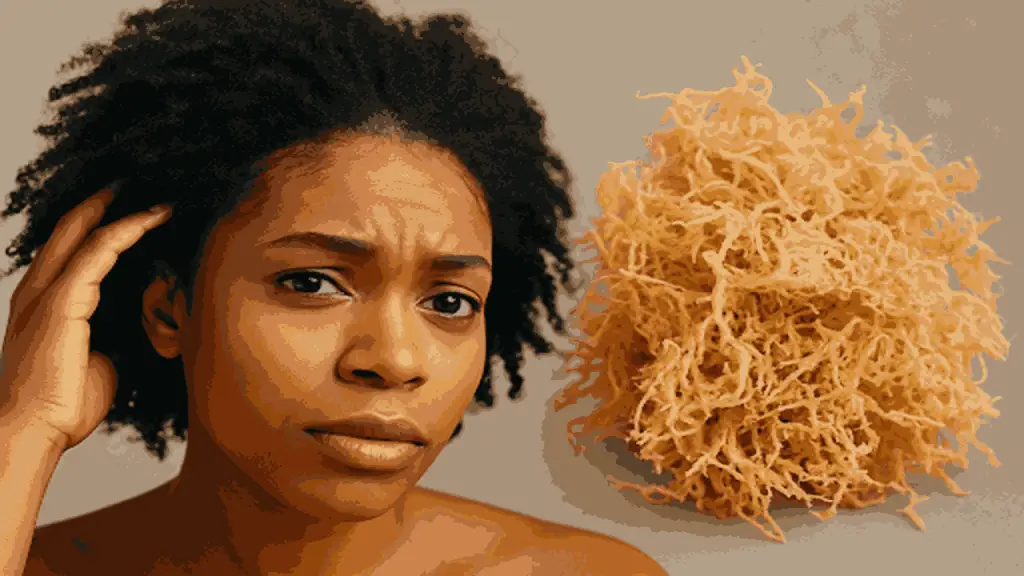
Understanding Alopecia
At its core, alopecia just means hair loss. But there are several kinds, and not all of them behave the same way.
A. Types and Causes of Alopecia
Some people experience slow, steady thinning. Others notice round bald spots that seem to show up overnight. Here are the main types:
- Alopecia areata: This form is autoimmune, which means your immune system mistakenly attacks your own hair follicles. It can affect the scalp or other areas like eyebrows or eyelashes.
- Androgenic alopecia: Also known as male or female pattern baldness, this one is mostly driven by genetics and hormone levels.
- Telogen effluvium: A temporary type of hair loss that often follows stress, illness, or vitamin deficiencies, especially Vitamin D or iron.
- Traction alopecia: Often seen in people who wear tight hairstyles, like braids or buns, that put repeated strain on the scalp.
Of course, other factors, like thyroid imbalances, poor diet, or certain medications, can also lead to thinning or shedding over time.
B. Common Symptoms and Effects on Hair Health
The signs can be subtle at first. You might brush your hair and notice more strands than usual. Or maybe your part looks wider than it used to.
Other signs include:
- Bald spots or patches
- A tingling or itching sensation on the scalp
- Hair that feels finer, weaker, or breaks more easily
- Thinning that spreads out gradually over time
Hair loss affects more than just the surface. For many people, it brings anxiety, frustration, and a desire to feel like themselves again.
That’s why natural options, like sea moss, are getting attention. Let’s dive a little deeper into the nutrient aspect of sea moss to know if it can help.
The Nutritional Profile of Sea Moss
Sea moss has become a bit of a “superfood” buzzword lately, but beneath the trend is a real nutritional punch that may offer genuine support for skin, gut health, and yes, even hair health.
A. Essential Vitamins and Minerals in Sea Moss
What makes sea moss stand out is how many hair-friendly nutrients it naturally contains, all packed into a single plant.
Here are a few that matter most for scalp health:
- Vitamin A: Helps regulate sebum (your scalp’s natural hair oil) to keep hair hydrated and prevent dryness
- Vitamin C: Supports collagen synthesis, which is important for healthy hair follicles and overall hair strength
- Vitamin E: Known for promoting blood flow to the scalp and reducing oxidative stress
- Vitamin K: Plays a role in cell growth and tissue repair, which supports healthy skin and scalp
- B vitamins (including B2, B3, B9): Help nourish hair roots and improve strand structure
- Iodine: Naturally present in sea moss, supports thyroid hormones, which are closely tied to hair growth and shedding cycles
- Iron and zinc: Help prevent hair damage and thinning caused by deficiencies, especially in women
In short, sea moss offers a well-rounded mineral profile that feeds your body from the inside out, and that includes your strands.
B. Antimicrobial and Antioxidant Properties
Aside from vitamins, sea moss also contains antioxidants and natural antimicrobial compounds, which are useful if you’re dealing with scalp irritation, buildup, or inflammation.
Here’s what they do:
- Antioxidants help protect the scalp from environmental stress, which can trigger inflammation and hair loss
- Antimicrobial properties may reduce bacteria and fungi on the scalp, especially helpful for those prone to dandruff or other minor scalp conditions
- It also contains compounds called mycosporine-like amino acids, which offer natural UV damage protection (yes, your scalp gets sun damage too)
Sea moss is naturally supportive in the ways that matter most for people experiencing hair shedding or scalp issues. Next, let’s look at how this translates to real benefits for your hair.
How Sea Moss Benefits Hair Health
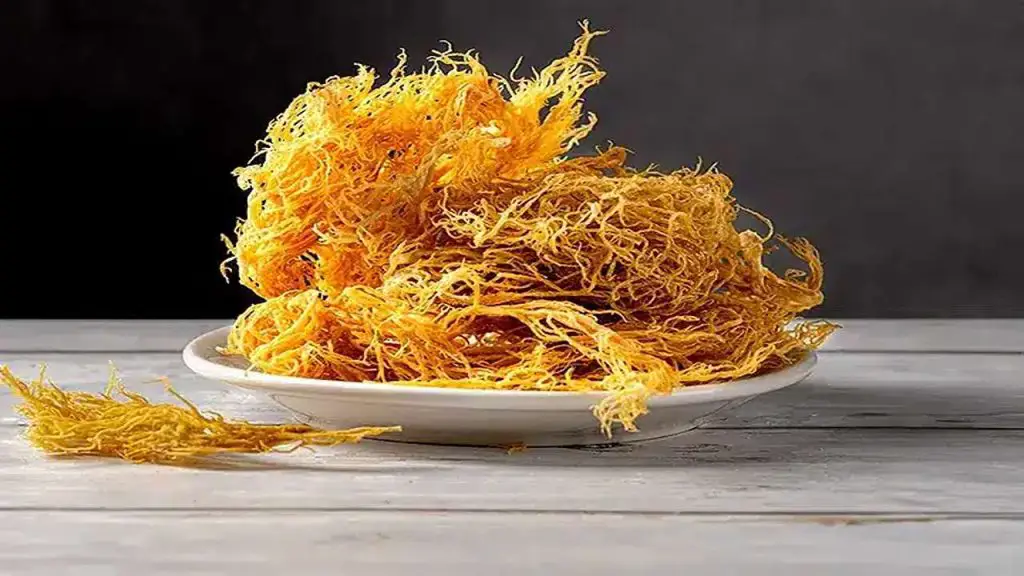
Sea moss’s unique texture, mineral makeup, and naturally hydrating properties can all support a healthier scalp and stronger strands over time.
A. Hydration and Conditioning Properties
If your hair is feeling brittle or dry, sea moss gel may offer a natural way to bring moisture back in.
Thanks to its mucilaginous texture and slippery, jelly-like feel, sea moss creates a light barrier that helps lock in moisture on the hair shaft.
Benefits include:
- Softer, more manageable strands
- Less frizz in humid or dry weather
- Relief from scalp dryness or mild irritation
This is why so many DIY hair masks include sea moss as a base; it conditions without the heaviness of oils or synthetic silicone.
B. Promoting Hair Growth and Strength
The nutrients in Irish sea moss, especially iodine, iron, and B vitamins, support circulation, hair follicle function, and hormonal balance, all of which influence hair growth cycles.
Individuals who experience thinning hair, stress-related shedding, or nutrient deficiencies may benefit most, especially when sea moss is incorporated into a supplement or added to smoothies for internal support.
C. Enhancing Hair Elasticity and Reducing Breakage
Sea moss contributes to collagen production (thanks to vitamin C), which helps strengthen the hair from the inside out.
Regular use may help:
- Reduce split ends
- Minimize breakage during styling or washing
- Improve curl definition and bounce, especially in natural or textured hair types
Sea moss isn’t a miracle cure, but for many, it acts as a gentle but effective ally in restoring moisture, strength, and elasticity. Next, we’ll explore how to incorporate it into your hair routine.
Application Methods of Sea Moss for Hair
Sea moss isn’t just something you eat. It can be used topically too, especially in gel form. Here’s how to make it work for your hair routine.
A. Using Sea Moss Gel as a Hair Mask
- Apply a thin layer of sea moss gel directly to clean, damp hair.
- Focus on your scalp and ends, where dryness and breakage usually start.
- Leave it on for 20–30 minutes, then rinse with warm water.
Use 1–2 times per week to keep your strands hydrated and your scalp soothed.
B. Infusing Sea Moss into Shampoos and Conditioners
- Mix 1–2 tablespoons of sea moss gel into your regular shampoo or conditioner.
- Shake well before each use to ensure it’s evenly blended.
- This method adds extra nutrients to your wash routine without changing your products.
Great for busy people who don’t want a separate treatment step.
C. DIY Sea Moss Hair Treatments
Want something more custom? Here are quick blends you can try:
| Recipe Type | Ingredients | Benefits |
| Scalp Soother | Sea moss gel + aloe vera + tea tree oil | Reduces irritation and itchiness |
| Deep Conditioner | Sea moss gel + avocado + olive oil | Boosts moisture and softness |
| Leave-In Spray | Sea moss gel + rose water + lavender oil | Light hydration + calming fragrance |
Next, let’s look at how sea moss works across different hair types and who might benefit the most.
Potential Benefits for Different Hair Types
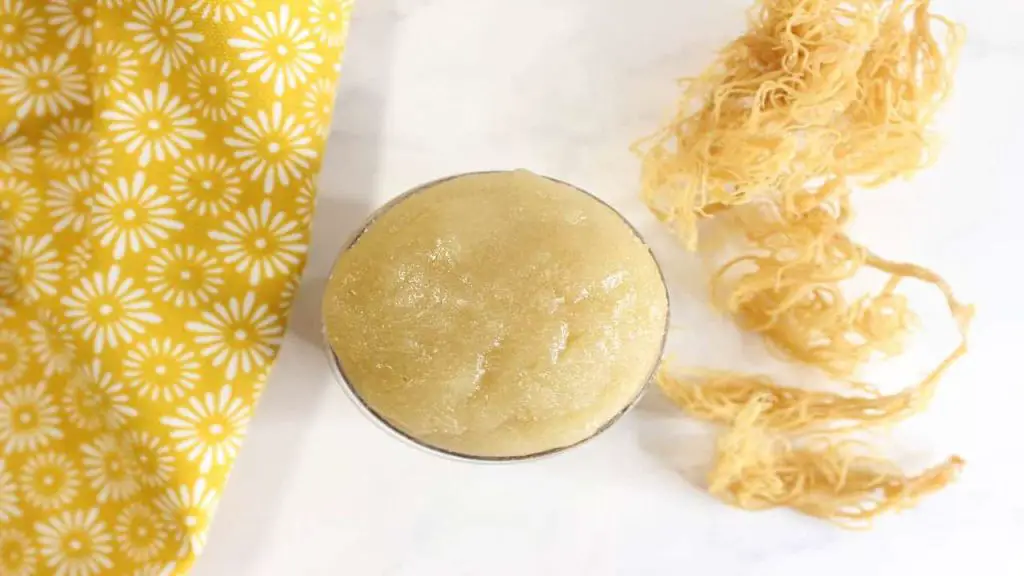
Sea moss benefits all hair types, but it’s especially helpful for those dealing with dryness, breakage, or scalp concerns.
A. Benefits for 3C to 4C Hair Types
These textures tend to be drier by nature, with tightly coiled strands that are more prone to breakage and shrinkage.
Sea moss can help by:
- Adding lasting hydration without weighing curls down
- Making detangling easier thanks to its slippery texture
- Supporting scalp health, which is key for strong root growth
- Reducing split ends and improving definition
It also works well when layered under styling products as a light leave-in or pre-poo treatment.
B. Versatility Across Various Hair Needs
Straight, wavy, and looser curl patterns can also benefit from sea moss, especially when used in moderation.
- For fine or straight hair, sea moss adds light moisture and shine without heaviness
- For color-treated hair, it supports scalp recovery and adds natural slip for easier styling
- For oily scalps, its antimicrobial properties help keep buildup and irritation in check
It’s one of the few natural ingredients that suit a range of needs, as long as it’s used correctly.
Now that we’ve covered its benefits across textures, let’s look at what the science says.
Scientific Evidence and Research
Early findings and related studies are pointing in some promising directions.
A. Studies Supporting Sea Moss Benefits for Hair
There isn’t a ton of direct research on sea moss and alopecia, but certain nutrients in sea moss, like iodine, iron, and amino acids, have been studied for their connection to thyroid health and hair growth.
Relevant findings include:
- A study published in Marine Drugs highlighted the presence of mycosporine-like amino acids (MAAs) in sea moss, which may help protect the skin and scalp from UV-related damage and inflammation.
- Another paper in the Journal of Applied Phycology explored red algae extracts and their antioxidant and antimicrobial properties, both important for maintaining a healthy scalp.
While these studies don’t focus on hair growth alone, they support sea moss’s role in maintaining the kind of scalp environment that helps hair thrive.
B. Understanding the Limitations of Current Research
- Most research so far looks at sea moss in general wellness, not specifically hair health or alopecia.
- Existing studies are mostly lab-based or animal-based; more human trials are needed.
- The results often depend on the species of sea moss used, and nutrient content can vary based on where it’s harvested.
Bottom line? Sea moss shows potential, but it shouldn’t replace medical treatments for alopecia. It’s a supportive tool, not a cure.
Next up, we’ll walk through important safety notes, potential side effects, and who should check with a doctor before adding sea moss to their routine.
Considerations and Precautions
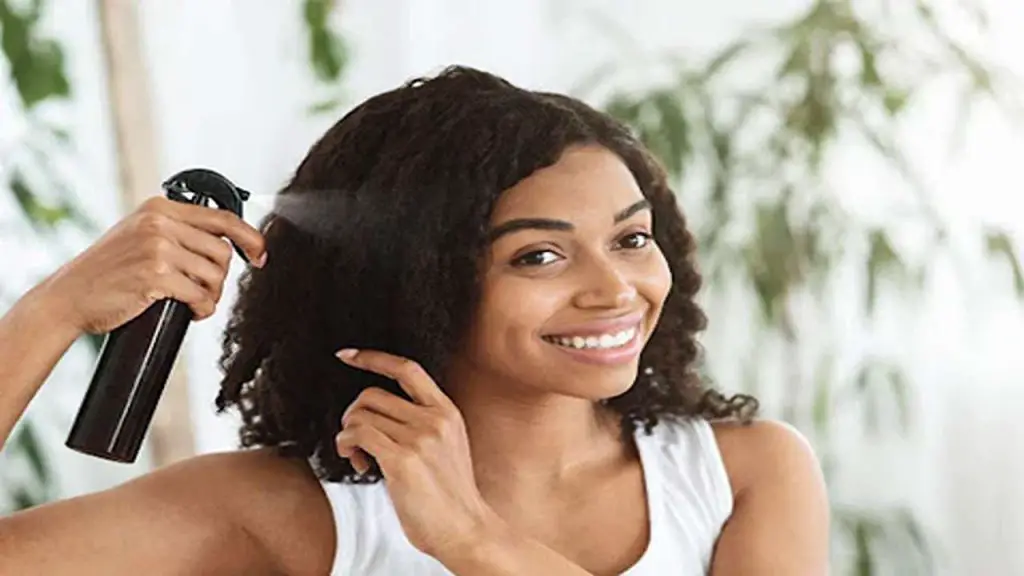
Sea moss can be helpful, but like any supplement, it’s not for everyone. Here are a few things to watch for before adding it to your hair care routine.
A. Possible Allergic Reactions and Sensitivities
Some people may experience:
- Scalp irritation or redness, especially with raw or untested sea moss.
- Itchy skin or bumps, particularly if you’re allergic to seaweed or shellfish.
- Mild breakouts or clogged pores when using sea moss masks too frequently.
If you’re trying it for the first time, apply a small amount behind your ear or on your wrist and wait 24 hours. No reaction? You’re probably good to go.
B. Consulting with a Healthcare Professional
- If you have thyroid issues, sea moss’s high iodine content may not be a good match.
- Taking thyroid medications, blood thinners, or undergoing hormone therapy? Always check with a doctor first.
- Pregnant or breastfeeding? Keep usage minimal unless your healthcare provider approves it.
Sea moss is natural, but “natural” doesn’t always mean risk-free, especially when it comes to sensitive skin or hormonal conditions.
Final Thoughts on Sea Moss and Alopecia
Sea moss isn’t a miracle solution for alopecia. But it may still have a place in a hair care routine, especially for people looking to improve scalp health with natural options.
A. Evaluating Sea Moss as a Natural Remedy
There’s no direct evidence that sea moss can reverse alopecia. What it does offer is a mix of nutrients that may support overall scalp and skin health, like iodine, vitamin A, and antioxidants.
That alone won’t stop hair loss, but it may help improve the environment around the follicle. Some people report less breakage and dryness after consistent use.
For others, it may make no difference at all.
B. Integrating Sea Moss into a Holistic Hair Care Routine
If you choose to use sea moss, keep it simple. A basic mask or leave-in rinse once or twice a week is enough. If you’re taking it as a supplement, stick to the dosage listed on the product.
Here’s what a routine might look like:
- Weekly mask with sea moss gel
- Daily scalp oil with calming ingredients like aloe or jojoba
- Balanced meals with enough iron, protein, and hydration
- Avoid heat styling and harsh products that dry out your hair
Sea moss can support healthier hair, but it’s only part of the picture. Stay consistent, be patient, and talk to a professional if you’re seeing rapid hair loss or thinning.
Conclusion
Sea moss won’t cure alopecia, but it does offer nutrients that support scalp health and hair strength.
If you’re dealing with breakage, dryness, or irritation, it may be worth trying as part of a broader hair care routine.
The key is consistency and setting realistic expectations. Like most natural remedies, results can vary. Some people see improvements; others may not notice much change at all.
If you choose to use sea moss, start small, monitor how your scalp responds, and combine it with other healthy habits.
And if your hair loss is severe or sudden, speak with a dermatologist or healthcare provider.
FAQ’s:
Not directly. There’s no clinical proof that sea moss can stop or reverse alopecia. However, its nutrients may support scalp health and reduce breakage, which can help manage symptoms over time.
Once or twice a week is enough. You can use it as a mask or add it to your conditioner. Start slow and see how your hair reacts.
Some people experience itching, dryness, or mild irritation, especially if they’re sensitive to seaweed or iodine. Always do a patch test before full use.
Yes, in most cases. Sea moss can help with dryness and breakage, especially for curly or coily hair. But it’s always best to test it first and adjust based on how your scalp and hair respond.
You can, but results may vary. Internal supplements may support hair from the inside out, but topical application allows you to target the scalp directly. Some people choose to do both.
Amazon and the Amazon logo are trademarks of Amazon.com, Inc, or its affiliates