
As an Amazon Associate I earn from qualifying purchases.
Most people think of dairy when they think of calcium. Milk, cheese, yoghurt. The ocean rarely comes up.
It probably should.
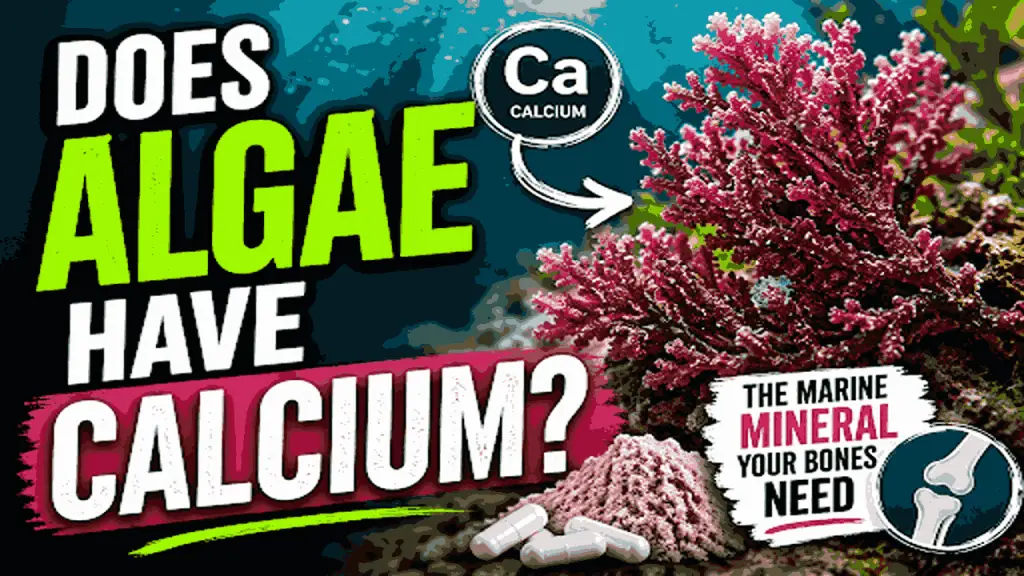
Certain red marine algae accumulate calcium directly from seawater over time, building it into their s
keletal structure. Lithothamnion, one of the most studied species, can contain up to 31 percent calcium by dry weight. That puts it ahead of most dairy sources by volume.
And it does not come alone. Magnesium, trace minerals, vitamins, the mineral profile of calcified marine algae is surprisingly close to the composition of human bone.
That detail is what pushed algae calcium into serious clinical research around bone mineral density, osteoporosis, and calcium absorption.
So does algae have calcium? Yes. Quite a lot of it, depending on the species.
The more useful question is what that calcium actually does, and whether algae-derived calcium supplements outperform the calcium carbonate and calcium citrate versions that have dominated bone health treatments for decades.
1. Overview of Marine-Derived Calcium Sources
Marine calcium does not come from one place.
That is part of what makes the category confusing.
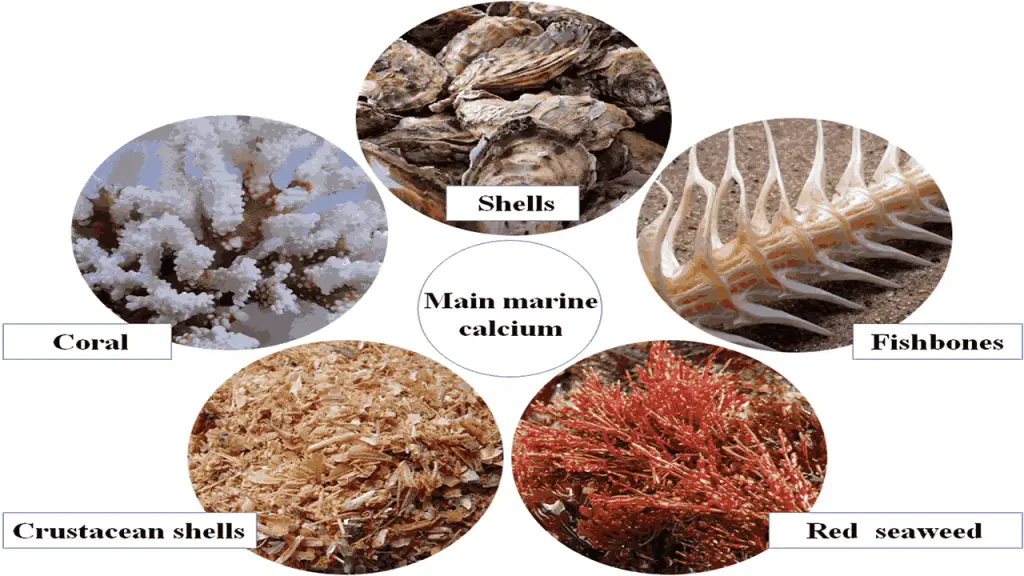
A bottle might say marine calcium, but the source could be fishbones, shells, coral, or algae.
Those are very different materials.
1.1 Fishbones
Fishbones are probably the most straightforward source on the list.
If a skeleton is built to store minerals, there is going to be calcium there.
No surprise.
The catch is that fishbone calcium is still an animal product, which rules it out for some people before they even look at the label.
1.2 Shells
Shell calcium shows up everywhere.
Oyster shells are the example most people run into first.
In many cases, the calcium ends up looking fairly similar to what you would find in a traditional calcium carbonate supplement.
That familiarity is part of the reason shell-based products have stayed around for so long.
1.3 Crustacean Shells
Shrimp and crab shells contain calcium, too.
They usually get more attention for chitin than calcium, but the minerals are still there.
You just do not see crustacean shells discussed as often as fishbones or oyster shells when supplements are involved.
1.4 Coral
Coral calcium had a major moment years ago.
Part of the appeal came from the extra minerals found alongside the calcium.
Part of it came from marketing.
Either way, coral helped introduce a lot of people to the idea that calcium sources are not all identical.
1.5 Seaweed and Algae
Algae takes a different route.
Fishbones start with bone.
Shells start with shells.
Algae start with seawater.
Certain red algae spend years collecting minerals from their surroundings and gradually incorporating them into their structure.
That difference is a big reason researchers became interested in algae calcium in the first place.
Not because it contains calcium.
Because of everything that comes with it.
Next, we’ll look at what makes algae-derived calcium different from traditional calcium supplements once it enters the body.
2. Unique Composition and Bioavailability of Algae-Based Calcium

Most calcium supplements are judged by one number.
How much calcium is in the serving?
Algae calcium tends to get judged a little differently.
The conversation usually moves beyond calcium pretty quickly.
2.1 Bioactive Compounds in Algae
Take a closer look at calcified marine algae, and you start seeing more than one mineral.
Calcium gets most of the attention.
Magnesium is usually there too.
So are trace minerals that came from the same seawater environment.
That broader mineral profile is one reason algae-derived supplements carved out their own place in the bone health market.
2.2 Enhanced Absorption Mechanisms
A supplement can contain plenty of calcium on paper.
That does not automatically mean the body uses all of it.
That is why absorption keeps coming up in discussions about algae calcium.
Researchers have spent years looking at whether the natural mineral matrix found in marine algae affects calcium bioavailability and mineral uptake.
The answer is still being explored, but the question has never really gone away.
2.3 Comparisons with Traditional Calcium Supplements
Walk down the supplement aisle, and most of the labels start looking similar.
Calcium carbonate.
Calcium citrate.
Algae calcium.
They all provide calcium.
What separates them is everything around it.
Source, mineral profile, and absorption are the areas where most comparisons tend to happen.
That is also where much of the current clinical research remains focused.
The next step is understanding what happens after those minerals reach bone tissue and the cells responsible for maintaining it.
3. Mechanisms Promoting Bone Health
Most supplement guides stop at calcium content. What the body does with it afterward is a different conversation.
3.1 Osteogenesis and Osteoblast Proliferation
Bone is not a finished structure. It is constantly being renewed.
New tissue forms. Older tissue gets replaced.
Osteoblasts handle the building side. Most calcium supplements just deliver minerals to them.
Research on algae-derived calcium keeps asking whether the full mineral profile actually supports those cells doing their job.
That is a different question. And the answers are getting more specific.
3.2 Modulation of Osteoclast Activity
Building bone is only part of the story.
Osteoclasts break down old bone tissue throughout life. When they become too active, bone loss outpaces new growth.
RANKL signaling controls that balance. Compounds in certain marine calcium supplements appear to influence it. Standard calcium carbonate does not.
For osteoporosis, slowing breakdown matters as much as building density. That is where algae calcium starts looking different from the alternatives.
3.3 Anti-inflammatory Effects
Not every study on algae calcium focuses on bone directly.
Chronic inflammation interferes with bone remodeling. Researchers are still mapping exactly how. Polysaccharides and trace minerals in marine algae have shown anti-inflammatory activity in preclinical work.
Human data is still limited. But it helps explain why algae-derived calcium keeps appearing in biomedical research well beyond basic supplementation.
Magnesium shows up alongside calcium in almost every marine algae study. That is worth looking at separately.
4. Role of Magnesium in Marine Calcium Supplements
Magnesium keeps showing up in algae calcium research.
That is hard to miss after reading a few studies.
The conversation starts with calcium.
It rarely ends there.
4.1 Synergistic Effects with Red Algae Lithothamnion Calcareum
Lithothamnion calcareum appears over and over in the literature.
Not because it contains calcium.
Lots of things contain calcium.
What keeps attracting attention is the mineral mix.
Calcium is there.
Magnesium is there.
Trace minerals are there.
Researchers studying bone mineral density often end up looking at the whole package rather than pulling a single nutrient out of it.
That approach shows up again and again in algae calcium research.
4.2 Seawater Concentrates and Bone Health
The ocean is not a calcium supplement.
It is a mineral environment.
Marine algae spend years growing in it.
That matters.
The final mineral profile reflects more than one element.
That is one reason seawater concentrates continue appearing in bone health studies.
The question is not whether magnesium exists alongside calcium.
It does.
The question is whether that combination changes the outcome.
That is what many of the clinical studies are trying to figure out.
The evidence gets much more interesting once real-world trials enter the picture.
5. Clinical Evidence and Preclinical Studies
At some point, every supplement ends up facing the same question.
Does it actually work?
That is where laboratory studies stop being enough.
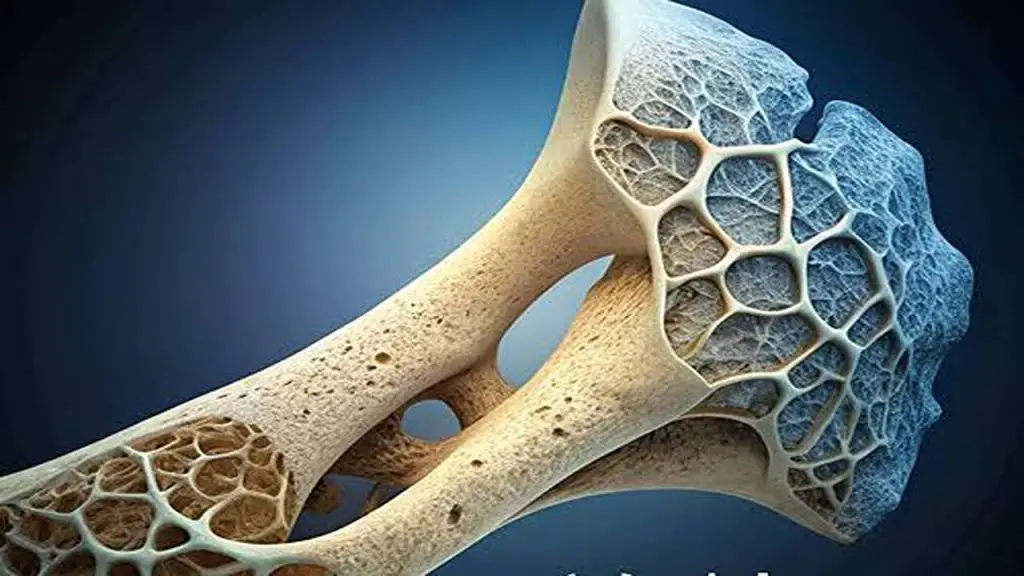
Researchers eventually have to look at bone density, bone loss, and fracture risk in the real world.
5.1 Studies Supporting Osteogenesis
A lot of early work focused on bone formation.
The question was fairly simple.
Could marine algae support the cells involved in building new bone?
That question keeps showing up across both laboratory and animal studies.
The details vary from paper to paper.
The direction of the research does not.
Scientists continue looking at whether the mineral profile found in algae calcium influences osteogenesis differently from calcium alone.
5.2 Trials Demonstrating Improved BMD
Bone mineral density comes up constantly in calcium research.
For good reason.
It is one of the easiest ways to measure whether something is changing over time.
Several clinical studies involving marine-derived calcium reported improvements in BMD, particularly in populations concerned about age-related bone loss.
Not every study found the same result.
Human research rarely works that way.
Still, bone density remains one of the strongest areas of interest in algae calcium research.
5.3 Fracture Prevention Evidence
Bone density is one thing.
Fractures are another.
A scan can show changes in bone mineral density.
What people really care about is whether those changes lower fracture risk.
That is a much harder question to answer.
Long-term fracture studies take time, large populations, and careful follow-up.
Some evidence points in a positive direction.
Researchers are still collecting data.
That is why fracture prevention remains one of the most closely watched areas in osteoporosis and bone health research.
The next step is understanding how manufacturers try to turn this research into practical supplement formulations.
6. Formulation Strategies for Algae-Derived Calcium Supplements
Finding calcium is one thing.
Turning it into a supplement is another.
Most products are not built around a single ingredient.
Manufacturers spend a lot of time deciding what belongs next to the calcium.
6.1 Optimizing Ingredient Combinations
Algae calcium rarely appears by itself.
Magnesium is a common addition.
Vitamin D shows up often.
Vitamin K appears regularly as well.
The logic is straightforward.
Bone health depends on more than one nutrient.
That is why many formulations focus on combinations rather than calcium alone.
The exact recipe changes from product to product.
The idea stays largely the same.
6.2 Considerations for Supplement Dosage
Dosage is where things become less universal.
A serving that works for one person may not be appropriate for another.
Age matters.
Diet matters.
Existing calcium intake matters.
That is one reason supplement labels can look surprisingly different despite using similar ingredients.
The goal is not always to provide the most calcium.
Sometimes the goal is to provide enough while maintaining a balanced mineral profile.
The research becomes much more practical from here.
The next question is how algae-derived calcium fits into broader bone health treatments and long-term osteoporosis management.
7. Implications for Bone Health Treatments
At this point, the discussion is not really about whether algae contains calcium.
That part is settled.
The question is where algae-derived calcium fits into modern bone health strategies.
7.1 Potential Benefits Over Traditional Supplements
Most calcium supplements are trying to solve the same problem.
The ingredients are not always the same.
Calcium carbonate remains one of the most common options.
Calcium citrate is another.
Algae calcium entered the picture much later.
What makes it different is not the calcium itself.
It is everything around it.
Magnesium.
Trace minerals.
A mineral profile that starts looking more complex than a standard single-source supplement.
That difference is one reason algae calcium continues appearing in osteoporosis and bone density research.
7.2 Considerations for Implementing Algae-Based Treatments
Not every person needs the same approach.
That is true for calcium supplementation in general.
Diet matters.
Age matters.
Existing bone health matters.
Researchers continue studying where algae-derived calcium fits alongside established treatments and nutritional strategies.
Some questions already have answers.
Others are still being worked out.
That is fairly normal in nutrition research.
For now, algae calcium remains an interesting example of how a simple question about calcium eventually leads to a much larger discussion about minerals, absorption, and long-term bone health.
Conclusion
So, does algae have calcium?
It does.
Most people do not associate algae with calcium.
That usually changes once they look at the research.
Some marine algae contain significant amounts of calcium, magnesium, and trace minerals collected directly from seawater over time.
That is what makes algae calcium worth studying.
Science is still developing.
The interest is not.
And for many researchers, the conversation has already moved beyond calcium alone.
FAQ’s:
Yes. Certain marine algae, particularly calcified red algae such as Lithothamnion calcareum, accumulate calcium directly from seawater and can contain substantial amounts of the mineral.
That depends on what is being measured.
Both provide calcium, but algae calcium also contains magnesium and trace minerals that are naturally present in the algae structure. Researchers continue studying whether those additional minerals affect absorption and bone health outcomes.
Magnesium is the most commonly discussed.
Many marine algae also contain trace minerals naturally collected from seawater during growth.
Yes.
Algae-derived calcium is considered a plant-based calcium source, which is one reason it has become popular among people looking for alternatives to fishbone, shell, or coral calcium.
Because it naturally accumulates calcium, magnesium, and trace minerals over time.
Its mineral profile has made it one of the most studied marine algae in bone health and calcium supplement research.
Researchers have investigated algae calcium in studies related to osteoporosis, bone mineral density, and bone remodeling.
While results have been promising in some areas, algae calcium should not be viewed as a replacement for medical advice or prescribed osteoporosis treatments.z
Yes.
Many algae-derived calcium products contain naturally occurring magnesium, which is one reason magnesium appears so frequently in marine calcium research.
Both are marine-derived calcium sources, but they come from different origins.
Coral calcium comes from coral material, while algae calcium is derived from calcified marine algae that accumulate minerals directly from seawater.
Amazon and the Amazon logo are trademarks of Amazon.com, Inc, or its affiliates