
As an Amazon Associate I earn from qualifying purchases.
Black algae in fish tanks, also called black beard or black brush algae, is a dark, fuzzy growth that’s a frequent headache for freshwater aquarium owners. It sneaks in through contaminated plants or water and spreads quickly under the right conditions.
For fish keepers, the challenge lies not just in its ugly appearance, making a pristine tank into a scruffy mess, but also in its potential to disrupt the balance of the aquarium ecosystem, affecting both plant health and water quality.
Understanding Black Algae in Fish Tanks
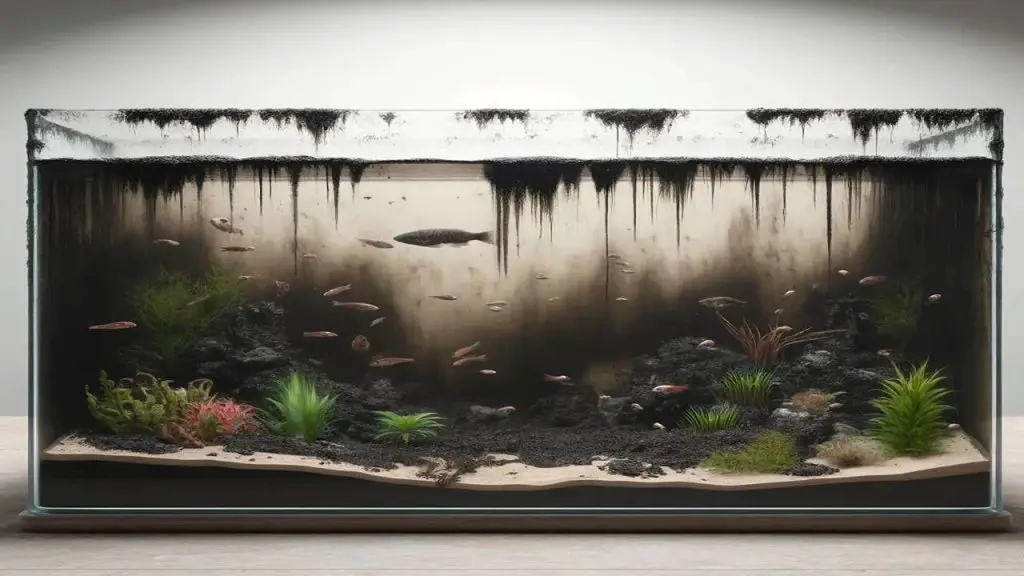
Here’s a quick rundown of what it is, how it sneaks in, how it grows, and what it does to your tank.
A. Types and Characteristics of Black Algae
Black beard algae show up as dark, fuzzy tufts of black, dark green, or reddish-brown, clinging to surfaces like a bristly pest. Unlike slimy green algae or powdery cyanobacteria, its coarse texture and clumpy growth make it tough to scrape off.
Its resilience, tied to a sturdy cell structure, sets it apart in aquarium algae removal (Sheath & Cole, 1992).
B. How Black Algae Enters Aquariums
This invader slips in through contaminated plants, decorations, fish, or even untreated tap water with tiny spores.
Uncleaned gear like nets can spread it too. Poor fish tank maintenance, skipped water changes, or dirty filters, give it a cozy home, letting it thrive on excess nutrients.
C. Stages of Black Algae Growth
Black algae start small, dark specks on leaves or glass you might overlook. Soon, these turn into dense, bristly patches, rooting into surfaces with rhizoids. Left unchecked, it becomes a full infestation, nearly impossible to remove without a fight.
D. Impact on Aquarium Plants and Fish
- Smothers your carefully chosen plants
- Competes aggressively for nutrients
- Can potentially clog filters
- Reduces oxygen exchange in your tank
While it’s not directly toxic to fish, the heavy growth is a red flag signaling deeper water quality issues.
Now you know what we are dealing with, let’s move on to learn what causes black algae in fish tanks.
Causes of Black Algae Outbreaks
Understanding algae outbreak causes is crucial for maintaining a healthy tank. Black algae don’t appear in fish tanks without reason. Its growth is often triggered by specific environmental factors, many of which are preventable.
A. Nutrient Imbalances and Water Quality Issues
Every part is interlinked. Fish waste, leftover food, and dying plant leaves all contribute to the nutrient. Piling up of these attracts black algae and helps them thrive.
Without regular water changes, they accumulate, creating the perfect conditions for algae to thrive. Poor water quality with high levels of organic waste further accelerates algae outbreaks.
B. Lighting Conditions and CO2 Levels
Too much light is an algae bloom. Not enough light, and your plants will grow weak. It’s a very fine line between a healthy tank and an algae farm.
CO2 acts as the secret weapon for the plants in the aquarium to fight against algae. Whenever the levels of CO2 drop, the plants struggle and have leftover nutrients.
C. Poor Tank Maintenance and Overcrowding
Overcrowding, missed water changes, clogged filters, all these factors create ideal conditions for black algae. Every un-eaten food pellet and every bit of fish waste can be an algae meal.
Maintenance isn’t just cleaning it’s prevention. Weekly water changes, good filtration, and proper feeding are these fish’s best line of defense.
D. Contaminated Plants and Equipment
New plants, decorations, and even that seemingly harmless fish net can bring black algae spores.
Always quarantine newly acquired plants. It is like a first line of defense against an algal invasion to clean literally everything before you let it touch your tank. It can all start from a single contaminated item.
Next, we’ll explore the most effective ways to remove black algae, from chemical treatments to natural solutions.
Effective Methods for Removing Black Algae
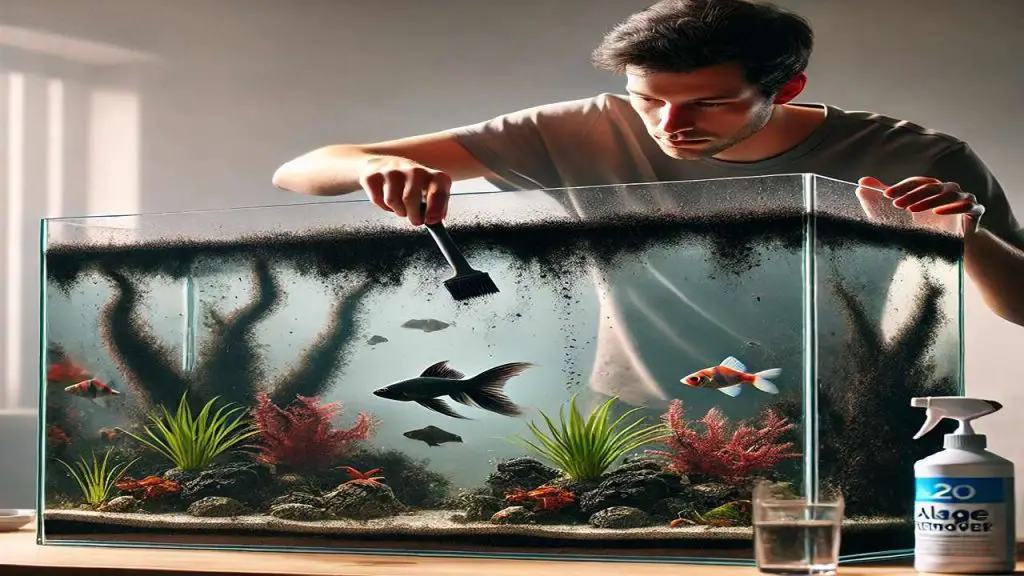
Black algae in fish tanks can be a real pain, but you’ve got options to fight back. Here’s a rundown of practical, no-nonsense ways to get rid of it and reclaim your aquarium.
A. Chemical Treatments: Hydrogen Peroxide and Liquid Carbon
Hydrogen peroxide and liquid carbon are go-to solutions for black algae eradication. Peroxide hits algae with a burst of oxygen, breaking it apart, while liquid carbon messes with its growth process.
Grab a 3% peroxide solution, squirt 1-2 ml per gallon onto the algae with a syringe, filter off for 15 minutes, then do a water change after a few hours.
Stick to the label’s daily dose for liquid carbon, or double it for spot treatments.
Remember, delicate plants like moss might suffer, and fish can get stressed if you overdo it. Start small to play it safe.B. Physical Removal Techniques
Sometimes you just need to get your hands dirty, use an algae scraper for glass, a toothbrush for driftwood, or a siphon to vacuum loose bits.
Black brush algae grip hard, so scrub patiently. Rinse everything in dechlorinated water after. Snip affected plant leaves and stay on top of tank maintenance to keep them from returning.
C. Heat Treatment for Affected Items
Heat can zap algae spores on hardscape like a charm. Boil rocks or driftwood for 10-15 minutes, or soak them in hot water (160°F or higher) if boiling is not doable.
It’s a clean kill for black algae. Stick to tough stuff, porous rocks and solid wood handle it fine, but plastic or fragile decor will warp. Cool it down before it goes back in the tank.
D. Biological Control with Algae-Eating Species
Siamese algae eaters chomp black algae like champs, while Florida flagfish take on stubborn patches.
Amano shrimp nibble away quietly, and nerite snails keep surfaces tidy. They won’t erase a big outbreak solo, but they’re ace at cleanup duty. Check their specs below.
What if you don’t want to deal with chemicals? In the next section, we explore the natural ways to get rid of these black algae.
Natural Ways to Control Black Algae
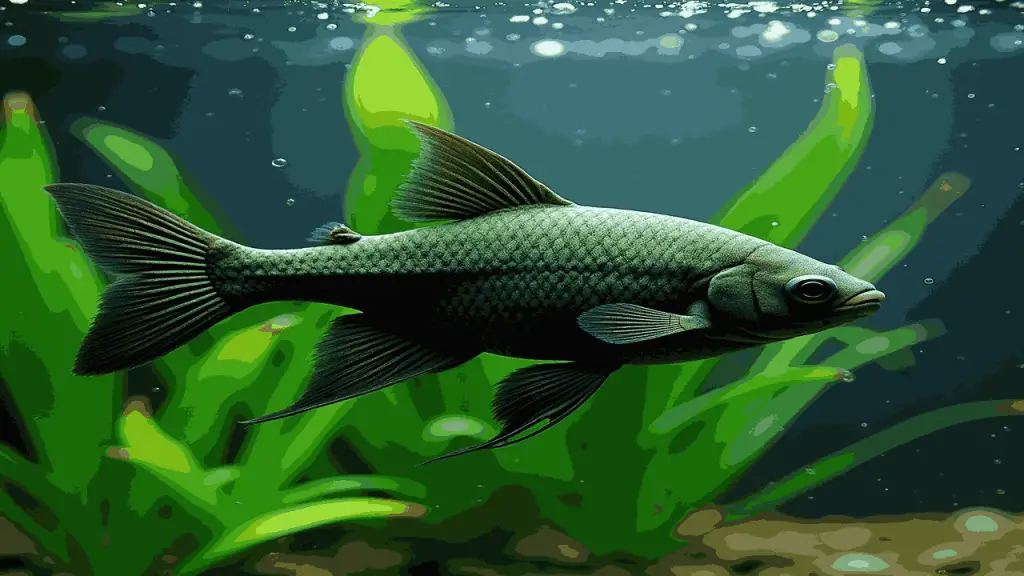
Here are some natural tricks to keep it under control, using critters, plants, and a little tank TLC.
A. Introducing Algae-Eating Fish and Invertebrates
Siamese algae eaters are the MVPs, they love chowing down on black beard algae.
Florida flagfish work well too, especially in planted setups. Amano shrimp pitch in with steady nibbling, while nerite snails polish surfaces over time. They’re not miracle workers, though some only eat algae when young or hungry.
Here’s how they stack up:
| Species | Algae-Eating Power | Tank Needs | Plays Nice With |
| Siamese Algae Eater | Top-notch (BBA fan) | 20+ gal, 75-79°F, chill | Most fish, no drama |
| Florida Flagfish | Solid, sometimes great | 20+ gal, 68-82°F, tough | Watch for fin-nipping |
| Amano Shrimp | Steady worker | 10+ gal, 70-80°F, calm | Super peaceful |
| Nerite Snails | Reliable surface cleaner | 5+ gal, 72-78°F, stable | Everyone’s buddy |
B. Balancing Nutrient Levels and CO2
Keep things in check by:
- Testing water weekly
- Changing 20-30% of the water regularly
- Feeding fish only what they can consume in about a minute
Healthy plants need it to outcompete algae. Consider a CO2 system or liquid carbon supplement, and ensure good water circulation so it reaches every corner of the tank.
C. Adjusting lighting conditions
Lighting is tricky. Too much, and algae thrive. Too little, and plants suffer. Hit the sweet spot with:
- 6-8 hours of light daily (use a timer)
- Full-spectrum plant bulbs
- Even light distribution to prevent shadowy algae havens
D. Increasing live plant density
Your best defense is a good offense, and in this case, that means plants. Load up on:
- Fast-growing species like hornwort and water wisteria
- Floating plants such as duckweed to provide natural shading
- A balanced fertilizer to keep your green defenders strong
Do you know what’s better than fighting algae? Stopping it before it starts. Let’s see how in the next section.
Prevention Strategies for Black Algae
Stopping black algae before it starts is way easier than battling it later. A little effort upfront keeps your tank clean, balanced, and algae-free. Here’s how to stay ahead of the game.
A. Regular Tank Maintenance and Water Changes
Think of water changes like giving your tank a mini-refresh. Here’s my tried-and-true approach:
- Swap out 20-30% of water weekly
- Vacuum the substrate like you’re spring-cleaning
- Wipe down tank walls and decorations
- Remove any dead leaves or leftover food immediately
B. Proper Filtration and Water Circulation
Go for a canister filter for bigger setups, a sponge filter for small tanks, or add a powerhead if you need extra flow.
The water should keep moving, stagnant spots will attract algae. Clean filter media monthly, but rinse it in tank water to preserve the good bacteria. It’s all about keeping things flowing and fresh.
C. Quarantine procedures for new plants and fish
As we learned before, algae can tag along with new arrivals like plants, decorations, or even fish without you knowing. Rinse plants under running water and check for dark fuzz before putting them in the main tank.
Set a separate quarantine tank for fish and watch them for 2-4 weeks. If you’re extra cautious, dip plants in a 1:20 bleach-water mix (or 3% hydrogen peroxide) for 2 minutes, then rinse well.
D. Monitoring and adjusting water parameters
Just grab a decent test kit and make weekly checks your new ritual. Keep an eye on:
- Nitrates (aim for under 20 ppm)
- Phosphates (keep below 0.5 ppm)
- pH levels
- CO2 concentrations
Keeping your plants healthy will create a natural barrier that starves algae before it can take hold. Maintain stable CO2 levels (around 20-30 ppm for planted tanks), and you’re safe.
Common Misconceptions about Black Algae
Black algae in fish tanks come with its share of myths, some born from confusion, others from bad advice passed around forums. Clearing these matters because knowing the truth helps you manage it smarter, not harder.
A. Toxicity to fish and invertebrates
Many aquarists freak out, thinking black algae is pumping toxins into their tank. Relax…it’s not. Black beard algae doesn’t release harmful chemicals; it’s more of a nuisance than a poison.
Studies, like those from aquatic ecologists, show no evidence of toxicity to fish or shrimp. That said, sensitive species like dwarf shrimp might get stressed if it clogs their space or messes with water quality indirectly. For most fish, though? It’s just ugly, not deadly.
B. Identification and Comparison with Other Algae Types
Black algae get mistaken for other tank troublemakers all the time, mostly because algae can look deceivingly similar at a glance. Here’s a quick table to sort it out:
| Algae Type | Appearance | Common Causes | How It Spreads | Best Control Methods |
| Black Beard Algae | Dark green/black, bushy | High nutrients, low CO2, poor flow | Sticks to plants, rocks, décor | Algae eaters, CO2 boost, manual removal |
| Green Spot Algae | Small, round green dots | Excess light, low phosphate | Grows on glass, slow plants | Adjust light, scrape off |
| Blue-Green Algae | Slime-like, deep blue-green | Poor circulation, high organics | Spreads in sheets fast | Improve flow, antibiotics |
| Hair Algae | Long, stringy green strands | High light, excess nutrients | Clings to plants, driftwood | Cut nutrients, algae eaters |
Spot black algae by its fuzzy, dark tufts, think tiny bristles, not slime or dots. It loves clinging to edges, unlike the flat spread of blue-green or the wispy reach of hair algae.
C. Effectiveness of Various Treatment Methods
Here’s what works, what’s iffy, and what’s a waste of time:
Effective Treatments:
- Bump up CO2 to help plants outmuscle algae, works like a charm in planted tanks.
- Scrape it off and add Siamese algae eaters or nerites for backup.
- Keep water parameters steady (low nitrates, balanced CO2), starves algae out naturally.
Partially Effective Treatments:
- Hydrogen peroxide zaps spots but can fry delicate plants if you’re not careful.
- Blackout periods weaken algae for a bit, but it’s a band-aid, not a cure.
Ineffective or Misleading Treatments:
- Dumping in algaecides sounds tough, but it risks your fish and good bacteria, so skip it.
- Water changes alone won’t cut it if you don’t tackle nutrients or flow first.
Sorting facts from fiction sets you up to prevent black algae smarter because stopping it before it digs in is the real win.
Conclusion
Black algae can be persistent, but understanding its causes and prevention methods makes management easier. By maintaining proper water quality, balancing nutrients and CO2 levels, and ensuring proper lighting, you can prevent outbreaks before they even start.
Natural solutions like algae-eating fish, increased plant density, and optimized filtration help keep your tank healthy. Clearing up misconceptions ensures you take the right approach to control and prevention. You can maintain a balanced, algae-free aquarium with consistent care.
Amazon and the Amazon logo are trademarks of Amazon.com, Inc, or its affiliates