
As an Amazon Associate I earn from qualifying purchases.
Planktonic algae operate at the invisible frontier of the global biosphere. These microscopic entities, ranging from solitary cells to intricate colonies, anchor the entire aquatic food web.
While often dismissed as mere “pond scum,” they are, in reality, highly engineered biological machines.
Learning the difference between unicellular and colonial growth forms is more than naming types; it shows how life changes to handle challenges like lack of nutrients, predators, and water movement.
By examining the transition from the solitary strategist to the colonial complex, we gain critical insight into how these photosynthetic organisms manipulate their environment to dominate aquatic ecosystems.
1. Photosynthetic Powerhouses: The Role of Chlorophyll and Oxygenic Photosynthesis
At the core of every planktonic alga lies the ability to perform oxygenic photosynthesis. Using chlorophyll a as the primary light-harvesting pigment, these organisms convert solar energy into chemical fuel.
This process serves as the engine that drives aquatic production, regulating levels of dissolved oxygen and providing the organic carbon necessary for higher trophic levels.
Unlike land plants, which possess complex vascular tissues to transport nutrients and apical meristems for growth, planktonic algae must interact directly with the water column.
Their efficiency in this regard is dictated by their surface-area-to-volume ratio, a primary driver for why these organisms remain small and suspended in the open water.
2. Distinguishing Planktonic Algae from Filamentous and Macroalgal Forms
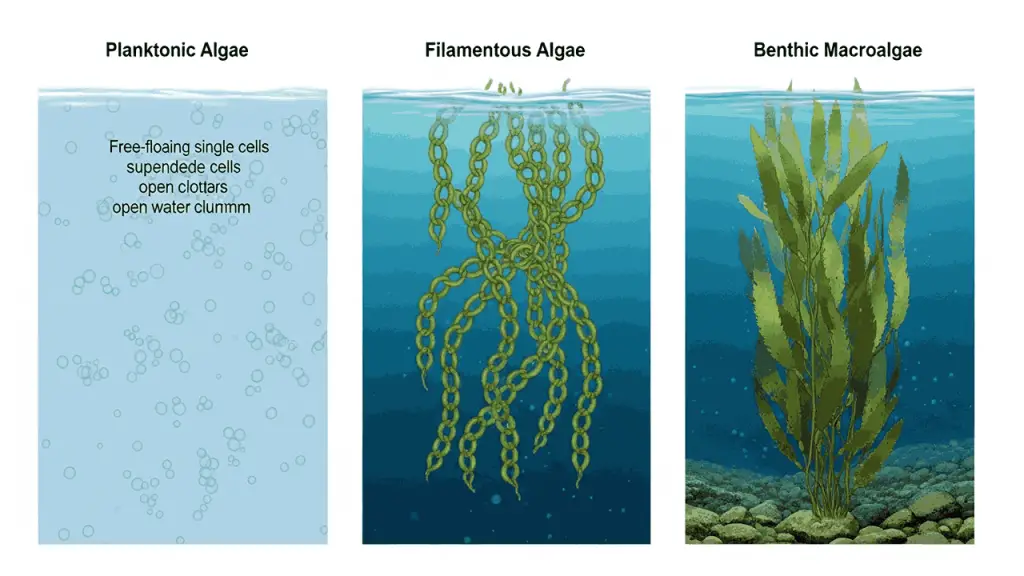
Planktonic algae, or phytoplankton, are defined by their suspension within the water column. This contrasts sharply with filamentous algae, which are composed of long, chain-like strands, or benthic macroalgae that attach to substrates.
While filamentous algae can become detached and float, their structural morphology is designed for stability and attachment. Planktonic forms, by contrast, have evolved specific adaptations to maximize buoyancy and optimize the uptake of nitrogen and phosphorus.
Unlike a towering kelp forest, which thrives in specialized benthic niches, planktonic forms are the nomadic engineers of the open sea.
3. The Phycological Importance of Growth Form in Aquatic Ecosystems
The growth form of an alga serves as a survival strategy. Unicellular planktonic algae take in nutrients well because they have a large surface area compared to their volume.
Colonial algae grow in groups to avoid being eaten by filter-feeding predators because their size protects them.
Knowing how and why these growth forms exist helps us keep aquatic ecosystems healthy and balanced. For example, Anabaena fixes nitrogen, and colonial shapes help avoid predators.
Knowing these forms helps scientists predict how populations react to changes in the environment, including shifts in nutrients and light, preventing events like an algal bloom from spiraling into a systemic failure.
4. The Anatomy of a Single Cell: Flagella, Cell Walls, and Basal Bodies
Unicellular protists exhibit remarkable structural complexity. Many are equipped with flagella, hair-like appendages providing propulsion through a coordinated motion controlled by internal basal bodies.
These features show that organisms have evolved to survive on their own. The cell wall acts as both a protective barrier and a structural scaffold, maintaining integrity under varying osmotic pressures.
These anatomical investments allow cells to navigate toward light, optimize nutrient uptake, and resist environmental stress without the support of complex tissues.
5. Model Organisms of the Unicellular World: Chlamydomonas and Closterium
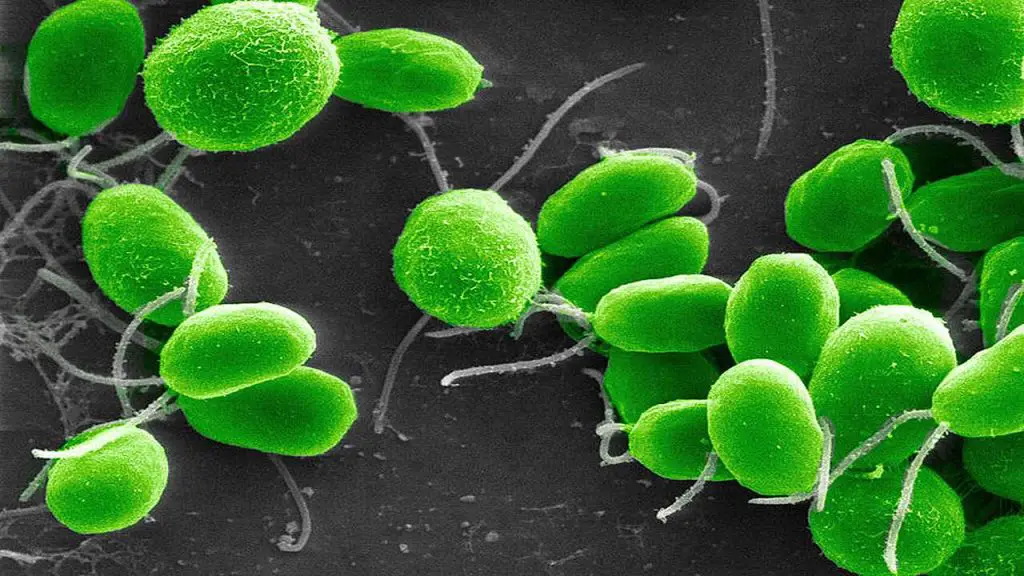
Chlamydomonas is a key example used to study how single cells move and perform photosynthesis.
Its two flagella enable precise navigation, while its singular, cup-shaped chloroplast demonstrates the efficient containment of biological machinery.
Similarly, Closterium, a member of the desmid family, displays unique symmetrical growth forms that reveal the precision of algal morphogenesis.
These organisms demonstrate how a single cell can manage all necessary life functions—reproduction, respiration, and nutrient processing—without relying on multicellular architecture.
6. Survival Tactics: Mobility, Rapid Nutrient Uptake, and Genetic Agility
The primary advantage of the unicellular form is agility. Being small allows these organisms to maximize their interaction with the environment, facilitating the rapid uptake of nitrogen and phosphorus.
Their metabolic flexibility permits them to pivot between energy sources, while their genetic agility allows for rapid adaptation to chemical changes in the water.
This is an “individual-first” strategy, prioritizing speed and metabolic efficiency over structural complexity.
7. Diversity Across Lineages: From Euglenophyta to Dinophytes
The diversity of unicellular algae is staggering, spanning lineages from Euglenophyta to complex Dinophytes.
Some utilize internal eye-spots to sense light, while others possess elaborate armor-like cell walls.
This immense diversity highlights that the unicellular form is not a primitive state, but rather a highly successful, specialized adaptation to the specific challenges of the planktonic lifestyle.
The Volvocine Lineage: A Roadmap to Multicellularity
The Volvocine group shows an interesting evolution. It moves from single cells to complex multicellular forms, representing one of nature’s most fascinating evolutionary trajectories.
This lineage allows us to view the “why” of coloniality: when cells begin to specialize and cooperate, they gain advantages that solitary cells cannot replicate, mirroring early evolutionary steps seen in the ancestors of land plants.
8. The Biological “Glue”: Cytoplasmic Bridges and Extracellular Matrix (ECM) Expansion
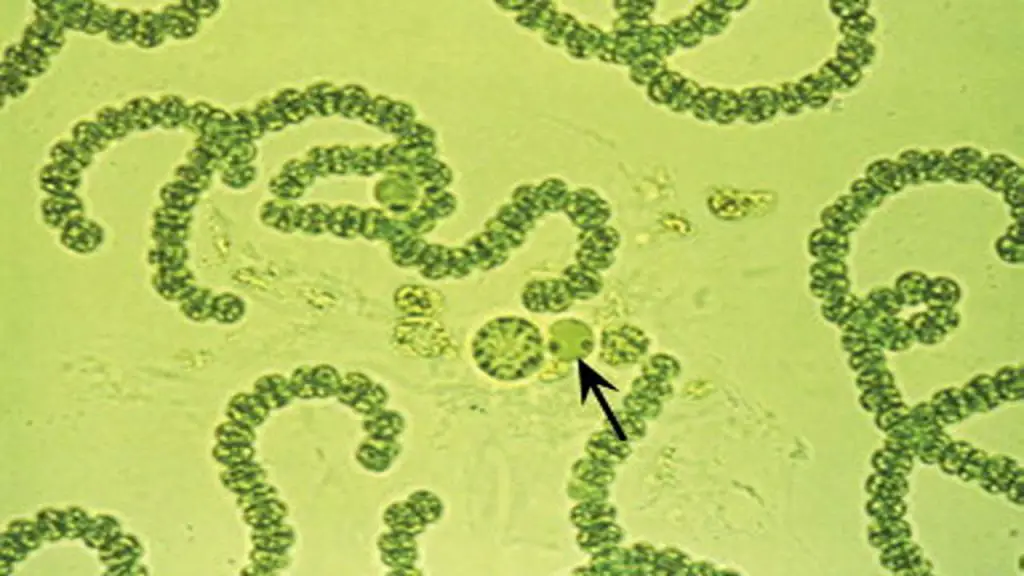
Coloniality involves the creation of a sophisticated extracellular matrix (ECM). By expanding the ECM, these colonies create a protective environment for individual cells.
Cytoplasmic bridges act as a communication network, allowing for the coordination of metabolic activity and Gene Expression throughout the colony. This structural expansion creates a larger total mass, providing a size refuge against predators.
9. Inversion and Movement: How Simple Colonies Coordinate Flagellar Activity
In colonial forms, the coordination of movement is paramount. Through synchronized developmental phases—such as the process of inversion—the colony moves as a single, coherent unit.
This collective movement is significantly more efficient than the sporadic, individualistic swimming patterns of unicellular ancestors.
10. Gonium and Pandorina: The Basics of Cellular Aggregation
Gonium and Pandorina exemplify the simplest forms of cellular aggregation. These structures are the first steps toward more complex organization.
Even a small colonial structure helps by making the organism bigger to defend itself and stay stable in water, providing an immediate benefit in terms of size-based defense and hydrodynamic stability.
11. Pleodorina and the Rise of Specialized Cells
Pleodorina marks a critical evolutionary threshold where cells begin to exhibit somatic and germ-line differentiation.
Some cells are dedicated to vegetative, photosynthetic functions, while others are reserved for reproduction. This division of labor is a hallmark of complex life, allowing the colony to perform multiple, simultaneous tasks.
12. Volvox: The Pinnacle of Colonial Organization and Germ-Soma Differentiation
Volvox stands as the apex of this developmental sequence. With thousands of cells organized in a hollow sphere, Volvox displays advanced germ-soma differentiation.
The distinction between vegetative somatic cells and specialized reproductive cells ensures the longevity and evolutionary success of the colony.
13. Adaptive Advantages: Predator Avoidance and the “Size Refuge” Strategy
Adaptations and Complexity of Planktonic Algae: The “size refuge” is the primary ecological driver for the development of colonial forms.
By reaching a size threshold that prevents grazing by small filter-feeding zooplankton, colonial algae gain a significant advantage in survival, fundamentally altering the energy flow within the ecosystem.
14. Distinguishing Blue-Green Algae from Eukaryotic Protists
Cyanobacteria, often called blue-green algae, are prokaryotic and distinct from the eukaryotic protists discussed previously.
While they perform oxygenic photosynthesis using chlorophyll a, their lack of a membrane-bound nucleus and their unique metabolic capabilities—such as atmospheric nitrogen fixation—set them apart. They represent a distinct, highly resilient branch of the microbial world.
15. Notable Colonial Genera: Anabaena, Aphanizomenon, and Microcystis
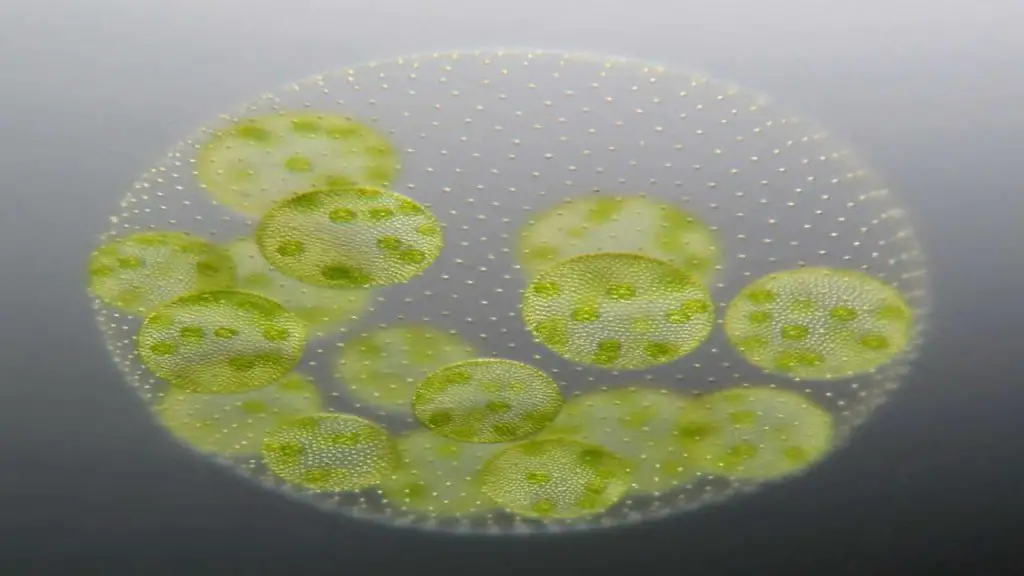
Genera such as Anabaena and Microcystis illustrate the power of colonial cyanobacteria to dominate aquatic systems. Anabaena forms filaments, while Microcystis creates massive, buoyant colonies.
These forms allow them to thrive in diverse conditions, often forming intense blooms that reshape the ecological profile of lakes and reservoirs.
16. . Nitrogen Fixation and Specialized Cells in Colonial Cyanobacteria
Many colonial cyanobacteria, especially Anabaena, have special cells called heterocysts.
These cells are the engines of nitrogen fixation, allowing the organism to thrive in nutrient-poor environments where nitrogen is otherwise unavailable. This biochemical autonomy makes colonial cyanobacteria incredibly competitive.
17. Gene Expression and the regA Gene: Controlling Cellular Fate
The shift to colonial life is governed by specific genetic switches. The regA gene acts as a master regulator of cellular fate in colonial algae, suppressing growth in somatic cells to ensure that resources are directed toward the colony’s survival.
This genetic control is the fundamental instruction set for complex morphology.
18. Asymmetric Cell Division and the Role of glsA
Asymmetric cell division, mediated by genes like glsA, allows a colony to produce different cell types from a single progenitor.
This process is essential for establishing the germ-soma differentiation that defines complex colonies.
19. Phytohormones and Cell–Cell Communication in Complex Colonies
Communication within a colony is facilitated by chemical signals. These signals coordinate cell division, flagellar movement, and responses to environmental shifts.
This chemical signaling network allows the colony to function as a single, multi-cellular organism rather than a loose assembly.
20. Nutrient Loading: The Impact of Phosphorus and Nitrogen on Population Density
Nutrient loading, particularly the input of phosphorus and nitrogen, acts as a primary catalyst for algal population growth. When these nutrients are abundant, phytoplankton can rapidly shift from stable states to explosive, colonial-heavy blooms.
21. The Biological Carbon Pump: How Planktonic Forms Influence Global Cycles
Planktonic algae are the foundational players in the biological carbon pump.
By fixing atmospheric carbon dioxide into organic matter, they sequester carbon that eventually settles to the deep ocean floor. This process is instrumental in regulating the global climate.
Conclusion
Planktonic algae represent a masterclass in biological adaptation. From the agility of the solitary Chlamydomonas to the sophisticated coordination found within a Volvox colony, these organisms have refined their growth forms to exploit almost every aquatic niche.
Whether they are forming a toxic red tide or preventing coral bleaching through balanced nutrient cycling, their impact is global.
As modern science explores Bioactive Peptides and Hydrothermal Liquefaction for sustainable energy, these organisms remain at the forefront of biotechnological innovation.
To track these populations, researchers often utilize a chlorophyll sensor to monitor for unusual activity, particularly when water fertility is high.
Amazon and the Amazon logo are trademarks of Amazon.com, Inc, or its affiliates